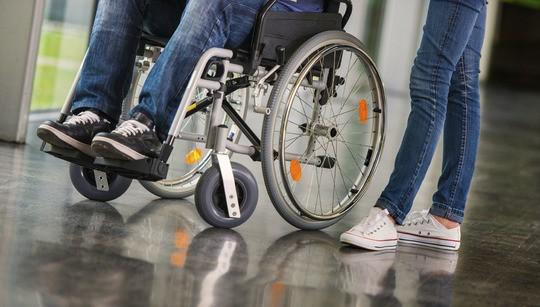
The U.S. disabled and elderly assistive device market is expected to experience significant growth is predicted to reach USD 10.97 billion at a CAGR of 14.4% till 2030, fueled by an aging population, rising healthcare costs, and the continued advancement of assistive technologies. As the demand for mobility aids, hearing and vision support devices, and smart home technologies increases, companies are responding with innovative products designed to improve the quality of life for seniors and individuals with disabilities. The market is evolving rapidly, driven by both the need for more effective healthcare solutions and advancements in technology that enable greater independence for users.
With a growing elderly population and an increasing number of individuals with disabilities, the need for assistive devices is becoming more pronounced. The U.S. market, one of the largest in the world, is poised to expand as more individuals seek ways to live independently, manage their health more effectively, and age in place. The ongoing technological advancements in robotics, AI, and connectivity are creating new opportunities for companies to provide customized solutions that support mobility, daily activities, and overall well-being.
Market Overview
The U.S. disabled and elderly assistive device market includes a wide range of products such as mobility aids (wheelchairs, walkers, scooters), hearing and vision devices (hearing aids, magnifiers), daily living aids (bathroom assistive devices, dressing aids), and advanced technologies such as personal emergency response systems (PERS), smart home solutions, and robotic exoskeletons. These devices help individuals overcome challenges related to aging and disability, promoting greater independence, mobility, and safety.
Explore the Benefits with a FREE Sample!
Key Drivers of Market Growth
- Aging Population and Rising Prevalence of Chronic Conditions
The U.S. has one of the largest aging populations in the world, with a significant increase in the number of individuals over the age of 65. According to the U.S. Census Bureau, by 2030, one in five Americans will be 65 or older. This demographic shift is leading to a higher prevalence of age-related health conditions, such as arthritis, mobility impairment, hearing loss, and cognitive decline, all of which drive the demand for assistive devices. The rise in chronic conditions like diabetes and cardiovascular diseases also contributes to the growing need for mobility aids and healthcare devices that help individuals manage their conditions. - Technological Advancements in Assistive Devices
Innovative technologies are playing a key role in transforming the assistive device market. Smart hearing aids, fall detection systems, robotic exoskeletons, voice-controlled home automation systems, and remote health monitoring technologies are improving accessibility and quality of life for users. Devices that integrate artificial intelligence, such as AI-powered mobility aids and home healthcare systems, are enabling greater personalization and efficiency. Additionally, wearable devices and sensors are allowing for continuous health monitoring, ensuring that elderly individuals and those with disabilities remain safe and connected to caregivers or healthcare providers.
Click Here for Your FREE Sample!
- Aging in Place and Home-Based Care
The trend of aging in place, where seniors choose to live in their own homes rather than move to assisted living facilities, is another key driver of the market. As healthcare costs rise, many individuals prefer to remain in familiar surroundings and receive care at home. To support this growing preference, the demand for assistive devices that help with daily activities—such as meal preparation, bathing, and dressing—is increasing. Products like smart home devices, voice-activated assistants, and personal emergency response systems are allowing seniors to live independently, safely, and with dignity.
Challenges and Opportunities
While the U.S. disabled and elderly assistive device market presents strong growth potential, there are several challenges. High upfront costs, particularly for advanced devices such as robotic exoskeletons and smart home technologies, can limit access for some individuals. Additionally, some users may face difficulties in adapting to new technologies or may require additional training and support.
However, these challenges create opportunities for companies to develop more affordable, user-friendly devices that cater to a broader range of consumers. Additionally, the increasing focus on aging in place and home-based care provides opportunities to create innovative products that improve safety, comfort, and independence for elderly individuals and people with disabilities.
Market Outlook
The U.S. disabled and elderly assistive device market is expected to grow substantially in 2025 and beyond. As the demand for mobility aids, hearing and vision support, and smart home technologies continues to rise, the market will see an influx of innovative products that meet the needs of an aging population. With increasing government support, technological advancements, and growing awareness, the market is poised for long-term growth.
Companies that focus on developing cost-effective, user-friendly, and highly functional devices will be well-positioned to capitalize on this growing demand. As the U.S. population continues to age, the market for assistive devices will play a crucial role in improving the quality of life for millions of individuals and supporting their desire to live independently and age with dignity.
