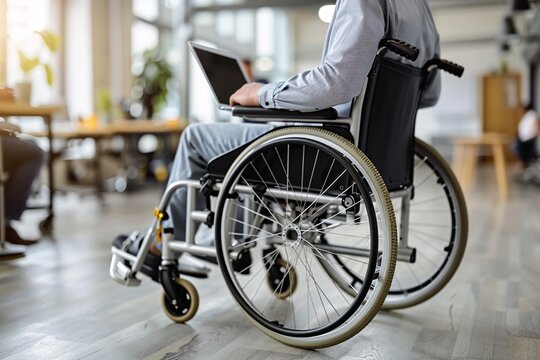
The India disabled and elderly assistive device market is projected to experience substantial growth is predicted to reach USD 2765.8 million at a CAGR of 20.0% till 2030, fueled by the country’s rapidly aging population, increasing prevalence of chronic conditions, and advancements in assistive technologies. As India’s elderly demographic continues to expand, the demand for assistive devices to improve mobility, support independent living, and enhance safety is expected to rise significantly. Technological innovations, alongside growing healthcare awareness and government initiatives, are playing key roles in transforming the market landscape.
India’s aging population, coupled with the rise in disability rates due to chronic diseases and injuries, is driving demand for various assistive devices, including mobility aids, hearing aids, visual aids, and home healthcare technologies. As the country’s healthcare system moves toward providing better home-based care solutions, the demand for devices that allow the elderly and disabled to live independently and safely is increasing.
Market Overview
The India disabled and elderly assistive device market encompasses a wide range of products, including mobility aids (wheelchairs, walkers, scooters), hearing aids, visual aids, personal emergency response systems (PERS), and smart home technologies. Additionally, newer innovations like wearable health trackers, robotic exoskeletons, AI-powered mobility devices, and telehealth solutions are becoming more prominent, offering advanced solutions to meet the needs of elderly and disabled individuals.
Unlock a FREE Sample – Try Before You Buy!
The growing number of elderly people in India, particularly as life expectancy continues to rise, is creating a significant demand for devices that enable individuals to maintain their independence, improve quality of life, and receive timely healthcare interventions. These devices, in combination with supportive healthcare policies and increased public awareness, are playing a transformative role in India’s healthcare and assistive device sectors.
Key Drivers of Market Growth
- Aging Population and Rising Chronic Conditions
India is experiencing a rapidly aging population, with the proportion of elderly individuals expected to increase significantly in the coming decades. By 2030, nearly 10% of India’s population is expected to be over the age of 60. As the population ages, the incidence of age-related chronic diseases such as arthritis, cardiovascular diseases, and diabetes is increasing. These conditions often require assistive devices to help manage mobility, health, and daily activities. The need for such devices is further compounded by the increasing prevalence of disabilities caused by accidents, strokes, and other health conditions. - Technological Advancements in Assistive Devices
Technological innovation is rapidly transforming India’s assistive device market. AI-powered mobility aids, wearable health monitors, and smart home devices are providing advanced solutions for elderly individuals. These technologies enable real-time health tracking, early intervention, and improved mobility, thereby enhancing the overall quality of life for the elderly and disabled. The rise of IoT-enabled devices also allows family members and caregivers to remotely monitor the health and well-being of elderly individuals, ensuring their safety and independence.
Download Your Free Sample Today!
- Government Support and Policy Initiatives
The Indian government is increasingly recognizing the importance of providing adequate care for the elderly and people with disabilities. Initiatives like the National Policy on Older Persons (NPOP) and the Accessible India Campaign aim to improve the quality of life for elderly individuals and ensure their access to assistive devices. The Pradhan Mantri Jan Arogya Yojana (PMJAY), India’s flagship healthcare program, also provides financial support for the elderly and disabled to access medical care, including assistive devices. These policies are helping make assistive technologies more accessible and affordable for a larger segment of the population.
Challenges and Opportunities
Despite the promising growth prospects, the India disabled and elderly assistive device market faces several challenges. One of the key challenges is the affordability of advanced assistive technologies. While innovations such as AI-powered devices and robotic exoskeletons offer immense potential, their high costs may be a barrier for many elderly and disabled individuals, particularly in rural areas where financial resources are limited.
Additionally, the lack of awareness in rural and semi-urban regions about available assistive devices and their benefits may limit adoption. However, these challenges present opportunities for manufacturers to develop affordable, user-friendly solutions that cater to the diverse needs of India’s elderly and disabled populations. Companies that prioritize accessibility, affordability, and educational outreach will be well-positioned to tap into the growing demand.
Market Outlook
The India disabled and elderly assistive device market is expected to continue growing steadily in 2025 and beyond. With an expanding elderly population, increased healthcare needs, and technological innovations, the market presents vast opportunities for companies to innovate and provide solutions that enhance independence and improve health outcomes. In particular, smart home technologies, wearable health devices, and AI-powered mobility aids will play a crucial role in shaping the future of elderly care in India.
Government policies supporting elderly care, along with growing awareness about the benefits of assistive devices, will continue to boost demand. As India’s healthcare infrastructure becomes more focused on aging-in-place solutions and home-based care, the disabled and elderly assistive device market is set for dynamic growth.