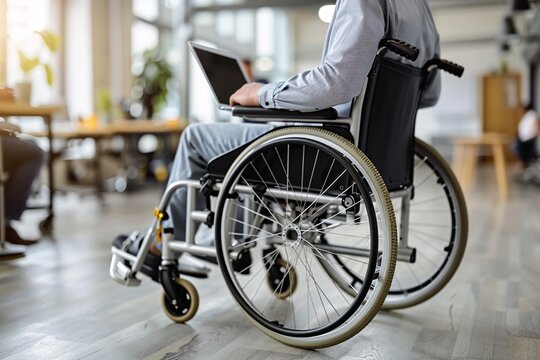
The South Korea disabled and elderly assistive device market is poised for significant growth is predicted to reach USD 1365.7 million at a CAGR of 13.2% till 2030, driven by the country’s rapidly aging population, increasing prevalence of chronic health conditions, and advancements in assistive technologies. As the elderly population in South Korea continues to expand, demand for products that enhance mobility, improve quality of life, and support independent living is expected to rise. Additionally, technological innovations in the field of assistive devices are providing more personalized and efficient solutions for elderly care, making this a key area for future growth.
Market Overview
The South Korea disabled and elderly assistive device market includes a range of products designed to meet the unique needs of elderly individuals and people with disabilities. These include mobility aids such as wheelchairs, scooters, walkers, and canes, as well as hearing aids, visual aids, personal emergency response systems (PERS), and home healthcare solutions. In addition to these traditional products, the market is also witnessing a growing interest in advanced technologies, such as smart home devices, AI-powered mobility aids, and telemedicine solutions, all of which offer more personalized, efficient, and safer care for elderly and disabled individuals.
Claim Your FREE Sample and See the Difference!
As South Korea’s elderly population continues to grow, with estimates suggesting that nearly 20% of the population will be over the age of 65 by 2030, the demand for assistive devices is expected to increase dramatically. The country’s robust healthcare system, combined with innovations in medical technology, is contributing to an expanding market for products that cater to the needs of the aging and disabled population.
Key Drivers of Market Growth
- Aging Population and Increasing Chronic Conditions
South Korea is experiencing one of the fastest-aging populations in the world, which is fueling the demand for assistive devices. With a higher percentage of elderly individuals facing age-related conditions such as mobility impairments, hearing and vision loss, and chronic diseases like diabetes and arthritis, the need for mobility aids and healthcare solutions is increasing. Elderly individuals are seeking products that enable them to live independently and manage their health conditions more effectively, driving the demand for a variety of assistive devices. - Technological Advancements in Assistive Devices
South Korea is renowned for its advancements in technology, and the disabled and elderly assistive device market is no exception. Innovative products, such as AI-powered mobility aids, robotic exoskeletons, smart hearing aids, and wearable health monitors, are revolutionizing elderly care. These technologies provide personalized care, real-time health monitoring, and remote healthcare management, offering elderly individuals more control over their health while enhancing their ability to live independently. Smart home devices, including fall detection systems and voice-activated automation, are also gaining popularity in South Korea as part of an aging-in-place trend.
Download Your Free Sample Today!
- Government Initiatives and Support
The South Korean government is committed to addressing the needs of its aging population through various policies and initiatives aimed at improving the quality of life for elderly and disabled individuals. The Elderly Welfare Act and other national healthcare policies are focused on providing support and ensuring access to essential services, including assistive devices. Financial support, subsidies, and national insurance programs are also helping to alleviate the cost burden associated with purchasing assistive technologies, making these devices more accessible to a larger segment of the population.
Challenges and Opportunities
While the South Korean market for disabled and elderly assistive devices holds significant growth potential, there are some challenges. The high cost of advanced technologies, such as AI-powered mobility aids and robotic devices, may limit access for some individuals. Additionally, although the healthcare system is robust, there may still be disparities in access to assistive devices, particularly in rural or underserved areas.
However, these challenges present opportunities for manufacturers to create more affordable, user-friendly devices that cater to the needs of a broad range of consumers. Additionally, partnerships between healthcare providers, device manufacturers, and the government could help make assistive devices more widely available and affordable. Companies that can develop and offer affordable, efficient, and high-quality solutions will be well-positioned to tap into the growing demand for assistive devices in South Korea.
Market Outlook
The South Korea disabled and elderly assistive device market is expected to experience steady growth in the coming years. With a rapidly aging population, increasing chronic health conditions, and technological advancements in healthcare, the market is set to offer significant opportunities for growth. Smart home devices, AI-powered mobility aids, wearable health monitors, and other innovative solutions will continue to drive market expansion.
Government initiatives that promote elderly care and the increasing cultural acceptance of assistive devices will contribute to market development. Companies that prioritize affordability, accessibility, and innovation will be well-positioned to succeed in this growing market.
