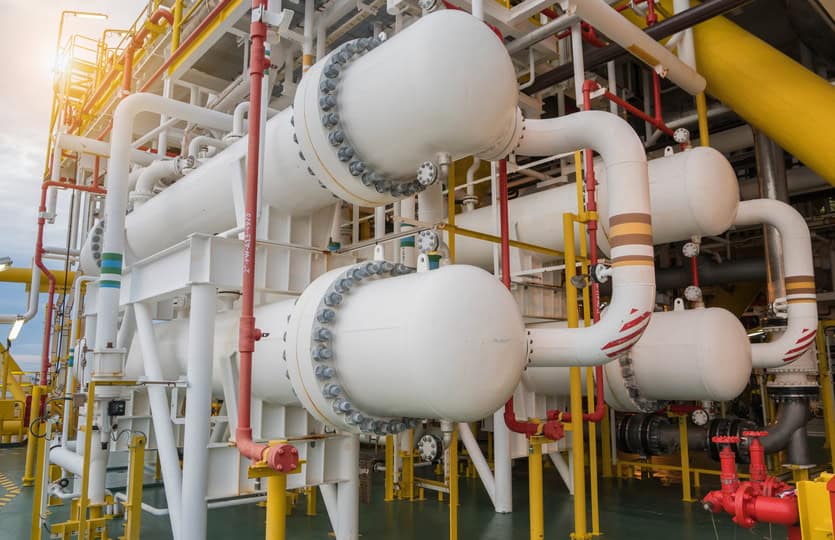
The heat exchangers market in South Korea is projected to experience robust growth in the coming years, fueled by rising industrial demand, increasing energy efficiency efforts, and advancements in sustainable technologies. With a strong industrial base, especially in automotive, petrochemicals, power generation, and electronics, South Korea continues to prioritize energy-efficient solutions to optimize production processes, reduce environmental impact, and meet global sustainability goals. As the country pushes for innovation and environmental sustainability, the heat exchangers market is positioned for substantial expansion.
The South Korea Heat Exchangers Market is predicted to reach USD 516.2 million with a CAGR of 6.4% 2030. Heat exchangers are critical components across industries, enabling the transfer of heat between fluids, gases, or solids in a variety of applications. In South Korea, the demand for these systems spans multiple sectors, including manufacturing, power plants, automotive, HVAC (heating, ventilation, and air conditioning), and semiconductor production. Their ability to maximize energy use while minimizing waste heat and cooling costs makes them indispensable for industries aiming to enhance efficiency and reduce carbon footprints.
Unlock a FREE Sample – Try Before You Buy!
Market Overview
South Korea heat exchangers market is diverse, encompassing a wide range of systems such as shell and tube, air-cooled, plate, and finned tube heat exchangers. These systems are utilized in power generation, oil and gas, chemical processing, and HVAC, among other sectors. As industries in South Korea continue to modernize their infrastructure to enhance energy efficiency, the demand for high-performance heat exchangers is growing. Additionally, South Korea’s strong commitment to reducing greenhouse gas emissions and improving industrial sustainability through innovative technologies further supports the expansion of the market.
Click to Uncover the Full News
The South Korean government has placed a strong emphasis on energy-saving initiatives and green technologies, which is driving industries to adopt heat exchangers to meet strict environmental regulations. In line with South Korea’s broader efforts to become a leader in clean energy and sustainability, these advancements will play a key role in the future of the heat exchangers market.
Key Market Drivers
- Energy Efficiency and Sustainability Focus: South Korea is committed to enhancing energy efficiency across industries, and this focus is driving the demand for heat exchangers. As the government pushes for stricter energy-saving standards and a greener economy, industries are increasingly adopting heat exchangers to optimize energy use and reduce waste heat. The need to minimize energy consumption and achieve operational cost savings is a primary motivator for the growth of the market.
- Rising Demand in Automotive and Electric Vehicles (EVs): The automotive industry in South Korea, home to global players like Hyundai and Kia, is experiencing a shift toward electric vehicles (EVs) and hybrid models. EVs, in particular, require highly efficient thermal management systems to optimize battery performance and ensure safety. Heat exchangers are essential for managing the temperature of EV batteries, and as the market for electric and hybrid vehicles expands, the demand for heat exchangers will continue to rise.
- Growth in the Semiconductor and Electronics Industry: South Korea is a global leader in semiconductor manufacturing, and the demand for heat exchangers in this sector is significant. Semiconductor production involves processes that generate substantial amounts of heat, requiring advanced cooling systems to maintain optimal performance and prevent equipment failure. Heat exchangers are critical to managing the thermal loads in semiconductor fabrication plants, driving growth in the market as the industry continues to expand.
- Government Initiatives and Regulations: The South Korean government’s strong push for clean energy and carbon neutrality by 2050 has spurred the adoption of green technologies, including heat exchangers. Policies aimed at reducing emissions and increasing the efficiency of energy usage across industries are encouraging businesses to adopt energy-saving technologies. As a result, heat exchangers are being integrated into manufacturing processes, energy systems, and power generation plants to comply with these regulations and reduce environmental impact.
Market Challenges
While the South Korea heat exchangers market has significant growth potential, several challenges exist. One of the primary concerns is the high initial cost of advanced heat exchanger systems. Although these systems offer substantial long-term savings in energy and maintenance costs, the upfront investment can be a barrier for small- and medium-sized businesses (SMBs) looking to upgrade their existing infrastructure.
Additionally, the complexity of integrating new heat exchangers into existing industrial systems can be an obstacle. Retrofitting older facilities with modern heat exchange systems can be costly and time-consuming, which may delay widespread adoption in certain sectors.
Future Outlook
The South Korea heat exchangers market is expected to witness steady growth over the next decade, driven by the continuous push for energy efficiency, industrial modernization, and the rising demand for sustainable technologies. The adoption of heat exchangers in electric vehicle manufacturing, semiconductor production, and renewable energy systems will be key contributors to the market’s growth.
Moreover, as South Korea’s power generation sector continues to evolve, there will be an increasing need for heat exchangers in thermal power plants, nuclear energy facilities, and renewable energy applications, including solar and hydrogen energy systems. These industries will require efficient heat management systems to optimize their operations and support the country’s sustainability goals.
The integration of smart technologies, such as IoT-enabled sensors and AI-driven optimization tools, will also help drive the future growth of the heat exchangers market. These technologies enable real-time monitoring and efficient management of thermal systems, offering enhanced performance, lower operational costs, and improved energy savings.
Conclusion
The heat exchangers market in South Korea is poised for substantial growth, fueled by the country’s commitment to energy efficiency, industrial modernization, and sustainability. Key sectors such as automotive, semiconductor manufacturing, power generation, and renewable energy are set to drive demand for advanced heat exchange solutions. As industries adopt greener practices and work toward reducing their carbon footprints, the market for heat exchangers will continue to expand.
