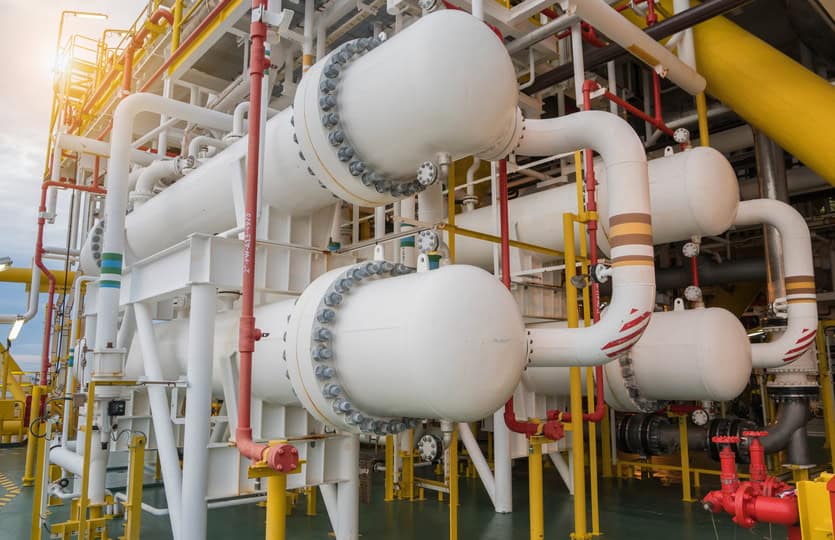
The Taiwan Heat Exchangers Market is expected to witness significant growth from 2025 to 2030, driven by strong demand from key industries such as semiconductors, electronics, chemical processing, and power generation.
The Taiwan Heat Exchangers Market is predicted to reach USD 245.9 million with a CAGR of 7.1% by 2030. As Taiwan continues to be a leader in manufacturing and technological advancements, the need for highly efficient thermal management solutions, including heat exchangers, is growing rapidly.
Experience It for Yourself – Download a FREE Sample!
Market Overview
Heat exchangers are critical devices used to transfer heat between two or more fluids, without mixing them, playing a vital role in optimizing energy consumption and improving industrial processes. They are crucial in sectors that require high levels of heat management, including power plants, semiconductor fabs, and food and beverage processing facilities. As Taiwan’s industrial sectors continue to expand and innovate, heat exchangers are becoming increasingly essential for ensuring efficient energy use and environmental sustainability.
Get the Facts, Click to Read the News
The Taiwan Heat Exchangers Market is driven by:
- Industrial Growth: Taiwan’s robust industrial landscape, particularly in high-tech industries such as semiconductors, electronics, and manufacturing, is creating a steady demand for advanced heat exchangers. As these industries grow, the demand for equipment that enhances energy efficiency and supports production quality becomes even more crucial.
- Energy Efficiency Focus: The Taiwanese government’s focus on energy conservation, sustainability, and environmental protection is propelling industries to adopt energy-efficient technologies. Taiwan’s energy policies are increasingly encouraging the use of heat exchangers, which can reduce overall energy consumption and carbon emissions.
- Technological Advancements: Continuous improvements in heat exchanger design and materials, including enhanced heat transfer efficiency and longer lifespan, are key factors driving market expansion. Innovations such as smart heat exchangers with real-time monitoring are also contributing to growth.
Market Segmentation
The Taiwan Heat Exchangers Market can be segmented by type, application, and industry verticals.
- By Type:
- Shell and Tube Heat Exchangers: Widely used across industries like chemical processing and power generation, shell and tube heat exchangers dominate the Taiwanese market due to their versatility, high heat transfer rates, and durability.
- Plate Heat Exchangers: Known for compactness and high thermal efficiency, plate heat exchangers are increasingly used in HVAC systems, food and beverage, and pharmaceutical industries. Their ability to provide efficient heat exchange in smaller spaces is boosting their popularity.
- Air Cooled Heat Exchangers: Air-cooled heat exchangers are gaining traction in Taiwan’s industrial settings, particularly in areas where water usage is limited or costly, as they use air instead of water to remove heat.
- Other Types: This category includes finned tube, double pipe, and other specialty heat exchangers catering to specific needs, such as in the automotive and petrochemical sectors.
- By Application:
- Semiconductor Manufacturing: Taiwan’s semiconductor industry is a critical driver of the heat exchangers market, as fabs require highly efficient temperature control systems to maintain the delicate production environments for chip fabrication.
- Power Generation: Heat exchangers are integral to power plants, particularly in optimizing the thermal efficiency of both traditional and renewable energy generation systems. Taiwan’s growing energy demand fuels the need for enhanced power plant efficiency.
- HVAC Systems: Taiwan’s ongoing urbanization and increasing construction activities, along with a heightened focus on building energy efficiency, contribute to the growing use of heat exchangers in HVAC systems for residential, commercial, and industrial buildings.
- Food and Beverage: In Taiwan’s thriving food processing sector, heat exchangers are used for pasteurization, sterilization, and heat recovery processes, which are key to maintaining product quality and efficiency in production lines.
- By End-Use Industry:
- Electronics and Electrical: The fast-paced growth of Taiwan’s electronics sector creates a continuous demand for heat exchangers that can ensure stable and efficient manufacturing processes.
- Chemical and Petrochemical: These industries require high-performance heat exchangers to manage the large volumes of heat generated in chemical reactions and refining processes.
- Automotive: Heat exchangers are increasingly used in automotive applications, including radiators, intercoolers, and air conditioning systems.
Regional Insights
Taiwan is home to several industrial clusters, with Taipei, Taichung, and Kaohsiung being key hubs for manufacturing and industrial activities. These regions are expected to continue driving demand for heat exchangers as the country’s industrial output increases, particularly in high-tech sectors. The growing emphasis on sustainable energy and the development of new infrastructure projects will also support market growth across Taiwan.
Key Drivers and Challenges
Drivers:
- Technological Advancements: Continuous innovation in heat exchanger designs and materials is increasing efficiency and reducing energy costs across industries.
- Sustainability and Energy Policies: Taiwan’s commitment to reducing carbon emissions and increasing energy efficiency is driving the adoption of heat exchangers as part of industrial sustainability efforts.
- Strong Semiconductor and Electronics Sector: As one of the world’s leading semiconductor hubs, Taiwan’s need for precise temperature control systems is creating substantial demand for heat exchangers.
Challenges:
- High Initial Investment: The upfront cost of advanced heat exchanger systems may deter smaller businesses from adopting these technologies, even though long-term savings in energy efficiency are significant.
- Maintenance and Downtime: The complexity of modern heat exchangers requires skilled technicians for installation and regular maintenance, which can present challenges in terms of operational downtime and labor costs.
Competitive Landscape
The Taiwan Heat Exchangers Market is highly competitive, with a mix of local and international players. These companies are investing heavily in R&D to develop more energy-efficient products and offering tailored solutions to meet the specific demands of industries such as semiconductor manufacturing, power generation, and HVAC.
Conclusion
The Taiwan Heat Exchangers Market is on track for substantial growth as industries across the country prioritize energy efficiency, sustainability, and technological advancements. With strong demand from sectors like semiconductor manufacturing, power generation, and food processing, heat exchangers will continue to play a critical role in optimizing industrial processes and reducing energy consumption.
