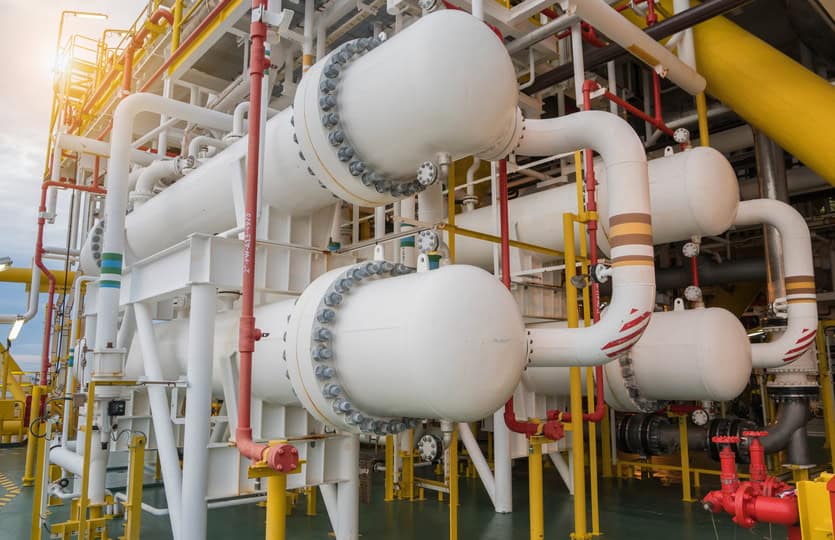
The heat exchangers market in Thailand is expected to experience substantial growth over the next decade, driven by industrial expansion, increased demand for energy-efficient technologies, and the country’s growing focus on sustainability. As Thailand continues to develop its industrial sectors—such as manufacturing, oil and gas, power generation, and HVAC (heating, ventilation, and air conditioning)—the need for high-performance heat exchangers is becoming more critical. These systems are crucial for optimizing energy use, improving operational efficiency, and reducing environmental impact.
The Thailand Heat Exchangers Market is predicted to reach USD 268.7 million, with a CAGR of 9.2% by 2030. Heat exchangers, used to transfer heat between fluids or gases, are essential for a wide range of applications in industries like power generation, petrochemicals, food processing, and HVAC. With Thailand’s emphasis on industrial modernization and environmental sustainability, the demand for energy-efficient heat exchangers is poised to increase across key sectors. As the market expands, Thailand’s continued commitment to energy conservation and reducing carbon emissions will further drive the adoption of advanced thermal management technologies.
Download Your Free Sample Today!
Market Overview
Thailand heat exchangers market includes a broad range of systems, including shell and tube, plate, air-cooled, and finned tube heat exchangers. These systems are employed in critical industries such as power generation, oil and gas, food processing, chemicals, and HVAC. The increasing demand for energy-efficient solutions to minimize operational costs and reduce environmental footprints is a primary driver for the heat exchangers market.
Get the Facts, Click to Read the News
As the Thai government strengthens its sustainability initiatives—such as the implementation of stricter emissions regulations and support for renewable energy projects—there is growing pressure on industries to adopt energy-efficient technologies. Heat exchangers are crucial in this transition, as they help recover and reuse energy, optimize production processes, and enhance overall efficiency. In line with the nation’s push for sustainable industrial practices, the market for heat exchangers is expected to witness strong growth in the coming years.
Key Market Drivers
- Focus on Energy Efficiency and Sustainability: Thailand’s commitment to improving energy efficiency and reducing carbon emissions is one of the key factors driving the growth of the heat exchangers market. The government’s initiatives, such as the 20-year energy efficiency development plan and support for green technologies, encourage industries to adopt energy-saving solutions. Heat exchangers help industries reduce energy consumption by recovering heat from processes and reusing it for other applications, making them an attractive investment for businesses seeking to meet environmental regulations and improve sustainability.
- Industrial Growth and Modernization: Thailand is one of the most industrialized nations in Southeast Asia, with a rapidly growing manufacturing sector. The country is home to a strong automotive, electronics, and petrochemical industry. As Thailand modernizes its industrial base, the demand for advanced thermal management technologies, including heat exchangers, is increasing. In particular, the power generation and oil and gas sectors, which are vital to the Thai economy, rely heavily on heat exchangers for cooling and heat recovery in their operations. As industries continue to evolve, the adoption of efficient heat exchangers will play a key role in driving operational performance and meeting environmental goals.
- Government Regulations and Support for Renewable Energy: Thailand has set ambitious goals for renewable energy generation, with the aim to increase its share of renewable sources in the energy mix. As part of this transition, industries are adopting energy-efficient technologies that align with the country’s green energy strategy. Heat exchangers are integral to renewable energy systems such as bioenergy, geothermal, and solar power plants, as they help manage thermal processes and optimize energy use. The government’s support for clean energy projects and stricter emissions standards will continue to drive demand for heat exchangers across various industries.
- Technological Advancements: Ongoing innovations in heat exchanger design, materials, and manufacturing processes are also contributing to market growth. Advanced materials such as corrosion-resistant alloys, improved heat transfer surfaces, and more compact designs are increasing the efficiency and durability of heat exchangers. Additionally, the integration of smart technologies, such as IoT sensors and AI-driven optimization tools, allows for real-time monitoring and predictive maintenance. These advancements enhance the performance of heat exchangers, making them an attractive option for industries looking to maximize energy savings and reduce downtime.
Market Challenges
While the outlook for the Thailand heat exchangers market is positive, several challenges may impact growth. One of the main obstacles is the high initial cost of advanced heat exchanger systems. Although these systems offer long-term energy savings, the upfront investment may be a barrier, especially for small- and medium-sized enterprises (SMEs). However, the growing recognition of the long-term financial benefits of energy-efficient technologies is expected to drive wider adoption in the future.
Another challenge is the need for skilled professionals to design, install, and maintain these complex systems. As the heat exchangers market in Thailand becomes more advanced, there will be a growing demand for specialized knowledge and training in thermal management technologies. The shortage of skilled labor in certain regions could slow down the rate of adoption, but investments in training and education could help alleviate this issue.
Future Outlook
The future of the heat exchangers market in Thailand is promising, with steady growth projected over the next decade. As industries continue to focus on reducing energy consumption and improving sustainability, the demand for energy-efficient heat exchangers will increase. The power generation, oil and gas, manufacturing, and HVAC sectors are expected to be the key drivers of this growth. Moreover, as Thailand’s renewable energy sector expands, the role of heat exchangers in optimizing thermal management will become more crucial.
Technological advancements, including the development of more compact, efficient, and durable heat exchangers, will further boost market growth. The integration of smart technologies and the growing trend toward digitalization in industrial processes will provide additional opportunities for market expansion.
Conclusion
Thailand heat exchangers market is on track for significant growth, driven by the country’s industrial expansion, government sustainability initiatives, and the increasing demand for energy-efficient technologies. As key sectors such as manufacturing, power generation, and oil and gas embrace advanced thermal management systems, heat exchangers will play an essential role in improving energy efficiency, reducing environmental impact, and optimizing operational performance.
