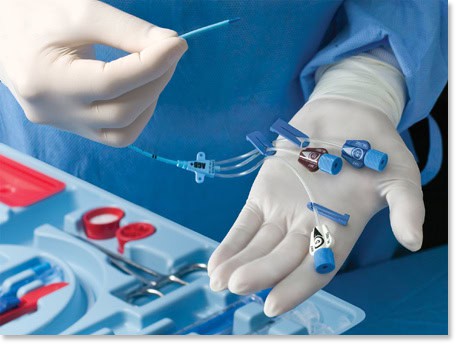
The global vascular access devices market is poised to experience substantial growth in the coming years, driven by the increasing prevalence of chronic diseases, the growing aging population, and advancements in medical technologies. As healthcare providers look for more effective and minimally invasive solutions to administer treatments such as chemotherapy, dialysis, and nutrition, vascular access devices are becoming a critical component in modern medical practices. The market for these devices is expected to expand as the demand for safe, efficient, and reliable access to blood vessels for various therapies continues to rise.
The Vascular Access Devices Market is predicted to reach USD 8.80 billion with a CAGR of 4.8% by 2030. Vascular access devices are medical tools that allow healthcare professionals to safely access a patient’s veins or arteries to administer fluids, medications, blood products, and nutrition. They are commonly used in hospitals, outpatient centers, and clinics, particularly for patients requiring long-term intravenous (IV) therapy or dialysis. These devices are essential for patients undergoing cancer treatment, organ transplants, chronic kidney disease management, and other medical procedures that require repeated access to the bloodstream.
Click Here for Your FREE Sample!
Market Overview
The vascular access devices market encompasses a wide range of products, including central venous catheters (CVC), peripheral intravenous (IV) catheters, hemodialysis catheters, and implantable ports. These devices vary in design, size, and application depending on the patient’s specific needs and the duration of the treatment. The market is witnessing innovation with the development of more advanced materials, improved catheter designs, and the integration of technologies that reduce the risk of infection, increase patient comfort, and enhance ease of use for healthcare providers.
See What You’re Missing – Download a FREE Sample Now!
Key factors driving the growth of the vascular access devices market include an increase in the number of patients with chronic diseases, the rising prevalence of cancer and kidney disease, and the continued push for enhanced patient care and safety. As medical advancements lead to more effective and specialized treatments, the demand for vascular access devices that enable safer and more reliable access to the bloodstream is also on the rise.
Key Market Drivers
- Rising Prevalence of Chronic Diseases: One of the major drivers of the vascular access devices market is the growing prevalence of chronic diseases such as cancer, diabetes, and kidney disease, which require long-term treatments like chemotherapy, dialysis, and intravenous nutrition. These conditions often necessitate repeated vascular access, increasing the demand for devices that can be used safely and effectively over extended periods. As the global population ages, the number of patients requiring chronic care will continue to rise, further propelling the need for vascular access solutions.
- Increasing Cancer Incidences: Cancer remains one of the leading causes of death worldwide, with the need for chemotherapy and intravenous drug administration on the rise. Vascular access devices, particularly central venous catheters and implantable ports, are essential for administering chemotherapy drugs. As the global cancer burden continues to grow, there will be a sustained demand for reliable, safe, and efficient vascular access devices to ensure successful treatment delivery.
- Advancements in Vascular Access Technologies: The development of new and improved vascular access devices is a key factor driving market growth. Recent innovations have led to devices with enhanced features such as reduced infection risks, better biocompatibility, and easier insertion. For example, devices designed with antimicrobial coatings or those that minimize the risk of thrombosis are gaining popularity in clinical settings. These advancements are improving patient outcomes and enhancing the safety and efficiency of vascular access procedures.
- Growth in Dialysis Treatment: Chronic kidney disease (CKD) is another significant contributor to the growth of the vascular access devices market. Dialysis treatment, which requires regular vascular access, has become a cornerstone of CKD management. As the number of patients with kidney disease continues to rise globally, the demand for vascular access devices used in dialysis procedures, such as hemodialysis catheters, is expected to increase.
- Minimally Invasive Procedures: Healthcare providers are increasingly turning to minimally invasive techniques to reduce patient discomfort, recovery times, and risks of complications. Vascular access devices, such as peripherally inserted central catheters (PICC), allow for safe and reliable blood vessel access without the need for major surgery. The preference for minimally invasive procedures is contributing to the growth of the market.
Market Challenges
While the vascular access devices market is on a strong growth trajectory, there are several challenges that may hinder its expansion. One of the key challenges is the risk of infection associated with the prolonged use of vascular access devices. Infections, such as catheter-related bloodstream infections (CRBSIs), remain a significant concern in clinical settings, and efforts to develop more infection-resistant devices are ongoing.
Additionally, the high cost of some advanced vascular access devices, especially implantable ports and specialty catheters, can be a barrier to adoption, particularly in low-income regions or healthcare systems with limited resources. Ensuring that these devices are affordable and accessible to a broader patient population is an important factor for widespread market adoption.
Future Outlook
This growth will be fueled by the increasing demand for long-term treatments, technological advancements in device design, and a growing global patient population. North America, followed by Europe, will continue to dominate the market due to the advanced healthcare infrastructure, high prevalence of chronic diseases, and early adoption of innovative medical technologies.
The Asia-Pacific region is also anticipated to witness significant growth, driven by rising healthcare expenditures, improving healthcare infrastructure, and a large population base. As access to healthcare improves in emerging economies, the demand for vascular access devices will grow, creating opportunities for market players in these regions.
Conclusion
The vascular access devices market is poised for continued growth, driven by the increasing demand for long-term treatment options, technological advancements, and the rising burden of chronic diseases. As the healthcare industry continues to innovate and improve patient care, vascular access devices will play a crucial role in delivering safe, effective, and minimally invasive treatments. With continued investment in research and development and a focus on improving device safety and performance, the market for these essential medical tools is expected to flourish in the years to come.
