The global food colors market is poised for robust growth is predicted to reach USD 6.85 billion with a CAGR of 10.9% till 2030 and beyond, driven by the increasing consumer preference for natural ingredients, growing awareness of clean labels, and advancements in food color technology. As demand for visually appealing and vibrant foods continues to rise, the food colors market is undergoing significant transformation, with manufacturers focusing on natural and plant-based colorants to cater to the evolving consumer demand for transparency and healthier alternatives.
Food colors are used in a wide range of products, including beverages, dairy, confectionery, baked goods, snacks, and processed foods, to enhance the aesthetic appeal and provide a more appetizing appearance. With food colorants playing a critical role in product differentiation and consumer experience, the market is witnessing an increased emphasis on innovative color solutions, particularly natural and organic options that align with health-conscious consumer trends.
Market Overview
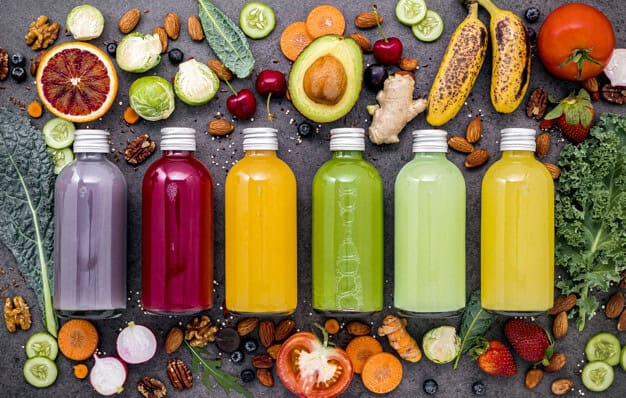
The food colors market includes synthetic, natural, and organic colorants, with natural food colors gaining significant traction due to the rising demand for clean-label products. Natural food colors are derived from plant-based sources, such as fruits, vegetables, and herbs, offering a healthier alternative to artificial colorants, which are increasingly falling out of favor with consumers due to concerns over potential health risks. These natural food colorants include beet juice, spinach powder, turmeric, and anthocyanins, which provide a wide range of hues and are increasingly being incorporated into food and beverage products across the globe.
Explore the Benefits with a FREE Sample!
Key Drivers of Market Growth
- Increasing Consumer Demand for Natural and Clean-Label Products
Consumer preferences are shifting toward products that are free from artificial additives and preservatives. Clean-label products, which list simple and recognizable ingredients, are growing in popularity, particularly among health-conscious consumers. As part of this trend, demand for natural food colors has surged, driven by consumer concerns about the potential health risks of synthetic colorants, such as hyperactivity in children and links to allergies. Manufacturers are increasingly adopting natural food colorants to meet these preferences and capitalize on the growing clean-label movement. - Advancements in Natural Colorant Technologies
Technological advancements in the extraction, processing, and stabilization of natural food colors are contributing to the market’s growth. Innovations in colorant extraction processes have improved the efficiency and cost-effectiveness of natural color production. Additionally, advancements in formulation techniques have helped natural food colors retain their vibrant hues and stability in various food applications. As technology continues to evolve, the range of natural colors available for use in foods is expanding, allowing manufacturers to develop innovative products with appealing colors that align with consumer preferences for natural ingredients. - Growing Awareness of Health and Wellness Trends
As consumers become more health-conscious, they are increasingly looking for food and beverage products that are not only healthier but also free from artificial ingredients. The rise of plant-based diets, clean eating, and wellness-focused lifestyles has prompted the food and beverage industry to prioritize healthier and natural alternatives to artificial colorants. Natural food colors, which are derived from fruits, vegetables, and other plant-based sources, are perceived as healthier and more sustainable than synthetic dyes, making them a preferred choice among consumers.
Challenges and Opportunities
While the food colors market is expanding, challenges remain. The cost of natural food colors is often higher than synthetic alternatives, which can pose a barrier for small and mid-sized food manufacturers. Additionally, the shelf-life and stability of natural colors can be more limited compared to synthetic dyes, which can be more durable and long-lasting.
However, these challenges also present opportunities for innovation. As consumers demand safer, more sustainable food color options, there is a growing opportunity for companies to invest in the development of new natural food colorants that offer improved stability, cost-effectiveness, and broader application possibilities. Ongoing research and development into new plant-based colorants and innovative stabilization techniques are expected to drive the next wave of growth in the food colors market.
Regional Insights
North America and Europe are the leading markets for food colors, driven by strong consumer demand for natural and clean-label products and the regulatory push toward healthier ingredients. The U.S. food colors market is growing rapidly, particularly in the natural food color segment, as more consumers seek organic and plant-based products. The European market is also expanding, with increased regulations on synthetic colors and a growing emphasis on clean labels.
Market Outlook
The global food colors market is on track for substantial growth in the coming years, with natural and organic food colorants playing a pivotal role in the market’s expansion. As consumer preferences continue to evolve toward healthier, clean-label products, the demand for natural food colors is expected to increase across multiple food categories, including beverages, snacks, dairy, and confectionery.
Ongoing technological advancements in colorant production and extraction methods will enable the development of more cost-effective and stable natural colors, further driving the market forward. As food manufacturers continue to innovate and respond to consumer demand, the food colors market is set to experience exciting growth opportunities in the years to come.