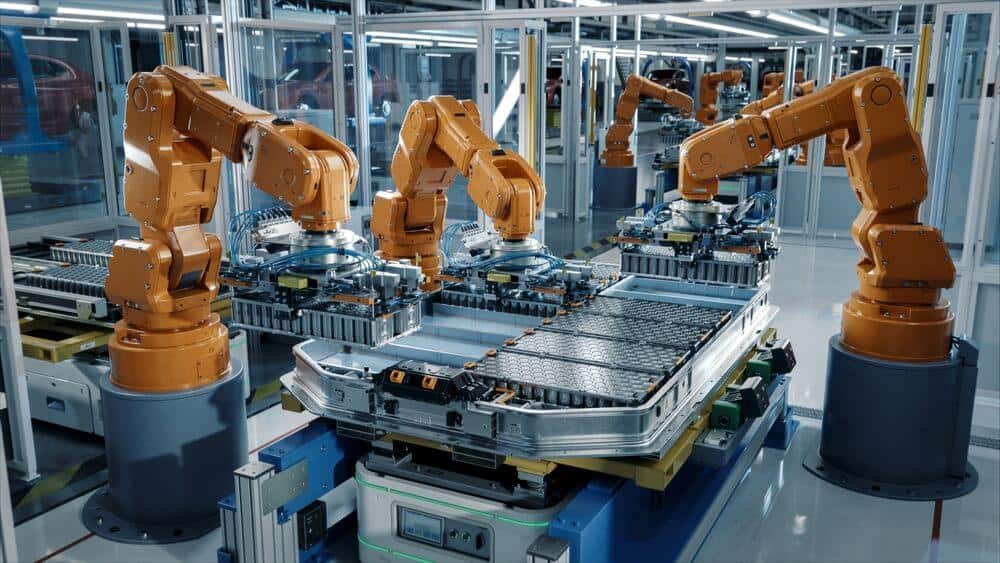
The North America industrial process automation (IPA) market is poised for significant growth is predicted to reach USD 27.88 billion at a CAGR of 5.4% till 2030, driven by advancements in digital technologies, an increased focus on operational efficiency, and the rising demand for automation across industries such as manufacturing, oil & gas, chemicals, and food & beverage. As industries strive to enhance production capabilities, reduce costs, and improve safety, process automation solutions are becoming integral to achieving these goals. This dynamic shift is accelerating the adoption of industrial automation technologies, positioning the market for sustained expansion in the coming years.
The industrial process automation market refers to the use of control systems, such as computers, programmable logic controllers (PLCs), and various other technologies to handle different processes in an industrial setting. In North America, industries are increasingly turning to automation solutions to improve product quality, reduce waste, and minimize human error. The convergence of artificial intelligence (AI), the Internet of Things (IoT), robotics, and big data analytics is further enhancing the capabilities of automation solutions, enabling real-time monitoring, predictive maintenance, and more efficient decision-making.
Market Overview
The North America industrial process automation market is segmented by application, component, end-user industry, and geography. Key applications include monitoring and control, automated material handling, quality control, and data analytics. Major end-user industries driving demand for industrial automation solutions include manufacturing, chemical, oil & gas, food & beverage, pharmaceuticals, and power generation. The market is expected to witness rapid growth in industries such as manufacturing and chemicals, where automation plays a critical role in improving efficiency, reducing costs, and optimizing processes.
Test It First – Download Your FREE Sample!
The increasing adoption of Industry 4.0 technologies—such as IoT, AI, and machine learning—has given rise to smarter, more efficient manufacturing processes, resulting in higher demand for automation systems. Furthermore, the need for real-time data analytics, predictive maintenance, and remote monitoring is propelling the growth of industrial process automation in North America.
Key Drivers of Market Growth
- Technological Advancements and Industry 4.0 Adoption
The rise of Industry 4.0 is one of the most significant drivers of growth in the industrial process automation market. Technologies such as IoT, AI, and machine learning are enabling the creation of smart factories that allow for real-time data collection, predictive analytics, and automated decision-making. These technologies improve production efficiency, reduce downtime, and help manufacturers optimize their supply chains. The increasing integration of AI and machine learning in automation systems also helps identify and resolve issues before they become critical, thus minimizing the risk of production halts. - Demand for Operational Efficiency and Cost Reduction
As businesses seek to remain competitive in an increasingly globalized economy, there is a strong push for operational efficiency. Industrial process automation allows companies to streamline processes, reduce energy consumption, and eliminate human error. By automating tasks such as data collection, quality control, and production monitoring, companies can cut operational costs, increase throughput, and improve product quality. These benefits make industrial automation an attractive solution for companies looking to enhance productivity while reducing costs. - Labor Shortages and Skill Gaps
The North American industrial sector is facing challenges related to labor shortages and skill gaps. As experienced workers retire, industries are turning to automation to address this gap and maintain productivity. Automation solutions can take over repetitive, hazardous, or complex tasks, allowing human workers to focus on higher-value activities. Additionally, automation technologies like collaborative robots (cobots) are being increasingly adopted to work alongside human employees, making it easier for businesses to integrate automation into existing workflows.
Download Your Free Sample Today!
Challenges and Opportunities
Despite the positive outlook, the industrial process automation market in North America faces challenges, particularly related to the high initial investment costs associated with automation technologies. Smaller manufacturers, in particular, may find it difficult to justify the cost of implementation. Additionally, the complexity of integrating new automation systems into legacy infrastructure can present technical challenges.
However, these challenges present opportunities for innovation and growth. As the cost of automation technologies continues to decrease and technology becomes more accessible, smaller companies will be able to benefit from automation solutions. Furthermore, advancements in cloud computing and edge computing are enabling businesses to deploy automation systems without significant infrastructure overhauls, lowering the barrier to entry for smaller players.
Market Outlook
The North American industrial process automation market is projected to grow at a strong rate over the next several years. The continuous advancement of digital technologies, coupled with the demand for operational efficiency, safety, and sustainability, will drive widespread adoption of industrial automation solutions. Companies across various industries are increasingly relying on smart, data-driven automation systems to optimize their operations, improve safety, and reduce costs.
As the market continues to evolve, industry players that focus on innovation, affordability, and seamless integration will be well-positioned to capitalize on the growing demand for industrial process automation.
