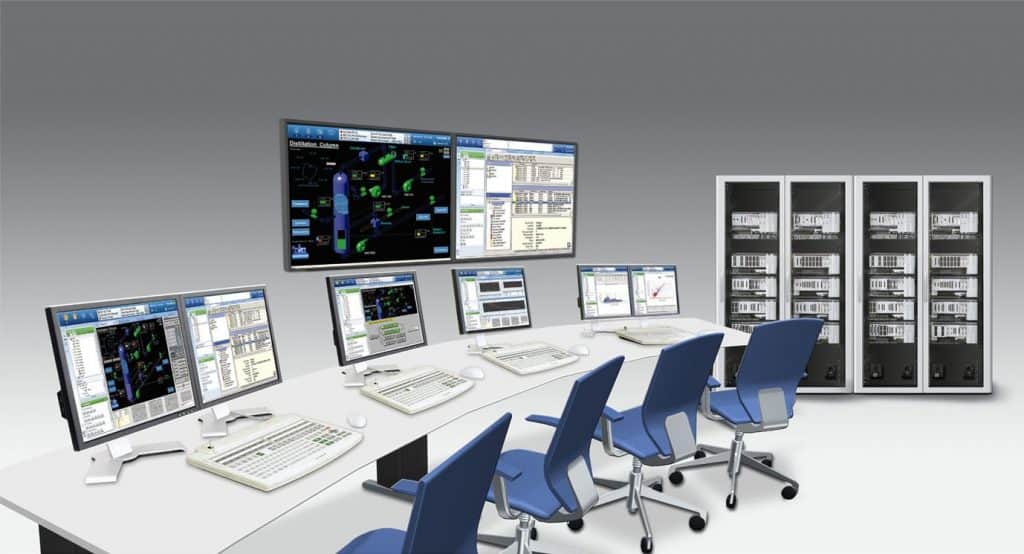
The Distributed Control System (DCS) market in Denmark is witnessing significant growth is predicted to reach USD 477.56 million with a CAGR of 7.2% till 2030, driven by the increasing demand for automation and digitalization across various industries. The country’s strong focus on industrial modernization, sustainable energy, and digital transformation is positioning Denmark as a key player in the global DCS market. With advancements in industrial automation, energy management, and Industry 4.0 integration, the Danish market is set to expand as companies seek to improve operational efficiency, enhance productivity, and meet evolving regulatory standards.
Distributed Control Systems (DCS) are essential components in industrial operations, particularly in sectors such as manufacturing, oil & gas, chemicals, power generation, and utilities. DCS enables real-time monitoring, control, and optimization of complex processes across geographically distributed facilities. The growing adoption of DCS solutions in Denmark is driven by the need to enhance process reliability, optimize energy consumption, reduce downtime, and improve safety standards.
Market Overview
The Denmark Distributed Control System (DCS) Market is evolving rapidly as companies across various industries adopt automated and integrated systems to manage and control complex processes. With its robust industrial base, Denmark is increasingly investing in digital technologies that enable more efficient, scalable, and sustainable operations. The DCS market in the country is expected to grow as industries look to leverage these systems to achieve higher levels of operational excellence and meet industry-specific demands for safety, compliance, and environmental sustainability.
Key sectors driving the adoption of DCS in Denmark include oil & gas, chemicals, power generation, manufacturing, and renewable energy. Denmark’s transition towards renewable energy, including wind power and energy storage systems, is a critical factor influencing the market. As the country embraces green technologies and focuses on reducing carbon emissions, DCS systems are becoming integral in optimizing energy production and distribution processes.
Key Drivers of Market Growth
Increasing Demand for Automation in Industrial Sectors
Denmark has long been at the forefront of automation and digital transformation, with a strong presence in industrial sectors such as manufacturing, energy, and chemicals. The demand for DCS solutions is primarily driven by the need for automation, real-time monitoring, and improved control of complex processes. DCS solutions provide seamless integration across multiple units, allowing industries to optimize production, reduce human error, and improve safety standards.
In industries like chemicals and power generation, where precise control and real-time monitoring are critical, DCS is becoming a vital tool for enhancing productivity and reducing operational risks. By automating routine tasks and processes, companies can achieve higher levels of efficiency, product quality, and safety.
Growth of Renewable Energy Sector
Denmark’s commitment to renewable energy has created significant opportunities for the DCS market. As the country continues to expand its wind energy and solar power production, DCS systems play an essential role in monitoring and controlling energy generation, storage, and distribution. These systems help ensure that energy production from renewable sources is optimized, and any potential disruptions are promptly addressed.
The integration of DCS in renewable energy projects allows for the real-time monitoring of equipment and systems, reducing downtime and improving the reliability of energy sources. As Denmark continues to lead the global push toward clean energy, the demand for advanced automation technologies like DCS is expected to grow rapidly.
Advancements in Industry 4.0 and IoT Integration
The shift towards Industry 4.0, driven by technologies like the Internet of Things (IoT), artificial intelligence (AI), and machine learning (ML), is another key factor influencing the DCS market in Denmark. These technologies are increasingly being integrated into DCS platforms to enable real-time data analytics, predictive maintenance, and remote monitoring.
Challenges and Opportunities
While the DCS market in Denmark presents significant growth opportunities, the market does face certain challenges. The initial cost of implementing DCS solutions can be a barrier for small and medium-sized enterprises (SMEs). Additionally, the integration of DCS with legacy systems and the training of personnel to manage complex automated processes can be challenging for companies with limited experience in automation.
However, these challenges also present opportunities for DCS vendors to offer more cost-effective, scalable solutions and provide training and support services to ease the transition to digitalized operations. The development of cloud-based and SaaS (Software-as-a-Service) DCS platforms also offers flexibility and cost savings for businesses looking to implement automation without a significant upfront investment.
Market Outlook
The DCS market in Denmark is expected to experience significant growth in the next few years, fueled by advancements in automation technologies, increasing demand for renewable energy, and a focus on operational efficiency and safety. As Danish industries continue to embrace digital transformation and Industry 4.0, DCS will remain a cornerstone of industrial operations, driving the optimization of processes and resources.
With Denmark’s commitment to sustainability, energy efficiency, and innovation, the future of the DCS market looks promising, with increasing adoption of smart, connected systems across a range of industries.
