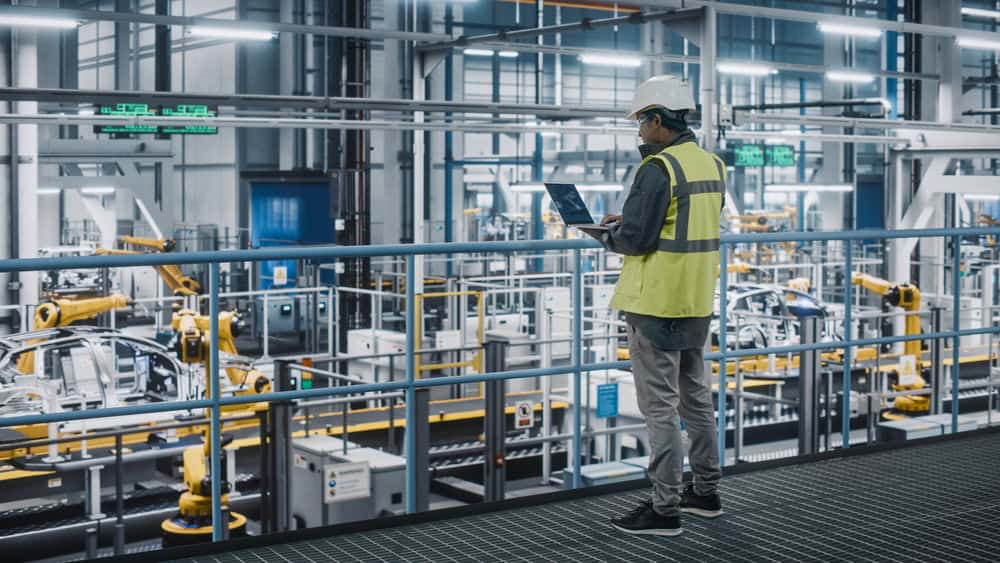
Finland industrial process automation (IPA) market is poised for significant growth is predicted to reach USD 227.9 million at a CAGR of 5.0% till 2030 as industries across the country continue to embrace digital transformation and automation technologies to enhance operational efficiency, reduce costs, and meet sustainability goals. With its strong focus on technological innovation, Finland is emerging as a key player in the European automation sector, particularly in industries such as energy, manufacturing, and forest-based industries.
Industrial process automation in Finland refers to the use of control systems, such as distributed control systems (DCS), programmable logic controllers (PLC), and supervisory control and data acquisition (SCADA) systems, to manage and control industrial processes with minimal human intervention. As industries in Finland increasingly turn to automation, the benefits include greater productivity, improved process control, enhanced safety, and reduced environmental impact, all of which align with the country’s ambitious sustainability objectives.
Market Overview
The Finland industrial process automation (IPA) market is expanding as businesses across key industries seek to optimize operations and address the growing demand for efficiency and sustainability. The adoption of automation technologies is increasingly seen as a strategic approach to gaining a competitive edge, improving energy management, and maintaining high safety standards. Finland’s industrial base, which includes strong sectors such as energy, manufacturing, forestry, and chemicals, provides an ideal foundation for the growth of the IPA market.
As the country continues to focus on sustainability and energy efficiency, automation technologies play an essential role in helping Finnish industries meet these goals. Additionally, Finland’s well-developed infrastructure, high digital literacy, and focus on research and development (R&D) are contributing to the rapid adoption of industrial process automation solutions.
Key Drivers of Market Growth
Commitment to Sustainability and Energy Efficiency
Finland has long been a global leader in environmental sustainability, and this commitment is reflected in its industrial sectors. Automation technologies are a vital part of Finland’s efforts to reduce carbon emissions, improve energy management, and optimize resource use across industries. For example, in the energy sector, automation systems are critical for managing energy production, distribution, and consumption in an efficient and environmentally responsible manner.
Finland’s growing focus on renewable energy sources, such as wind, solar, and bioenergy, has also increased the need for process automation in the energy industry. Automation helps ensure that these systems operate efficiently and effectively, reducing waste and ensuring the reliability of energy supply.
Industry 4.0 and Digital Transformation
The rise of Industry 4.0 is a key driver of industrial process automation in Finland. The integration of digital technologies such as artificial intelligence (AI), the Internet of Things (IoT), machine learning, and big data analytics with automation systems is revolutionizing Finland’s industrial landscape. These technologies enable real-time data collection, predictive maintenance, and optimization of processes, leading to greater efficiency and productivity.
Industries in Finland are increasingly implementing IoT-enabled automation systems to create “smart factories” that offer enhanced data transparency, reduced downtime, and better process control. As digitalization spreads across industries, companies are able to achieve more agile and flexible production environments, further accelerating the demand for industrial process automation solutions.
Manufacturing and Forest-Based Industries
Finland’s manufacturing sector, including its forestry industry, is another key contributor to the growth of the industrial process automation market. Automation solutions are being adopted in various applications such as wood processing, pulp and paper production, and metal manufacturing. Automation systems enable these industries to streamline operations, reduce manual labor, and increase production efficiency, all while ensuring product quality and consistency.
The forest-based industry is a particularly important part of Finland’s economy, and automation plays a vital role in improving resource management, optimizing production, and reducing environmental impact. Automation solutions for timber handling, pulp production, and paper manufacturing help the forestry sector become more sustainable and cost-effective.
Challenges and Opportunities
While the industrial process automation market in Finland presents significant growth opportunities, challenges remain. The high initial cost of implementing automation technologies can be a barrier for small and medium-sized enterprises (SMEs) looking to upgrade their systems. Additionally, the integration of new automation technologies with legacy systems may require significant upfront investments in infrastructure and specialized expertise.
However, these challenges create opportunities for automation providers to develop affordable, scalable, and customizable solutions that cater to the unique needs of businesses of all sizes. Furthermore, the increasing adoption of cloud-based platforms and software-as-a-service (SaaS) models is helping to lower the barriers to entry for companies looking to adopt automation technologies without significant upfront investment.
Market Outlook
The industrial process automation market in Finland is expected to continue its growth trajectory, driven by advancements in digital technologies, the push for sustainability, and increasing demand for efficiency across key industries. Automation will play an essential role in helping Finnish companies maintain global competitiveness, improve resource efficiency, and meet regulatory requirements in the years ahead.
As Finland continues its journey toward becoming a global leader in green manufacturing, automation will be at the forefront of efforts to create more sustainable, efficient, and cost-effective industrial processes.
