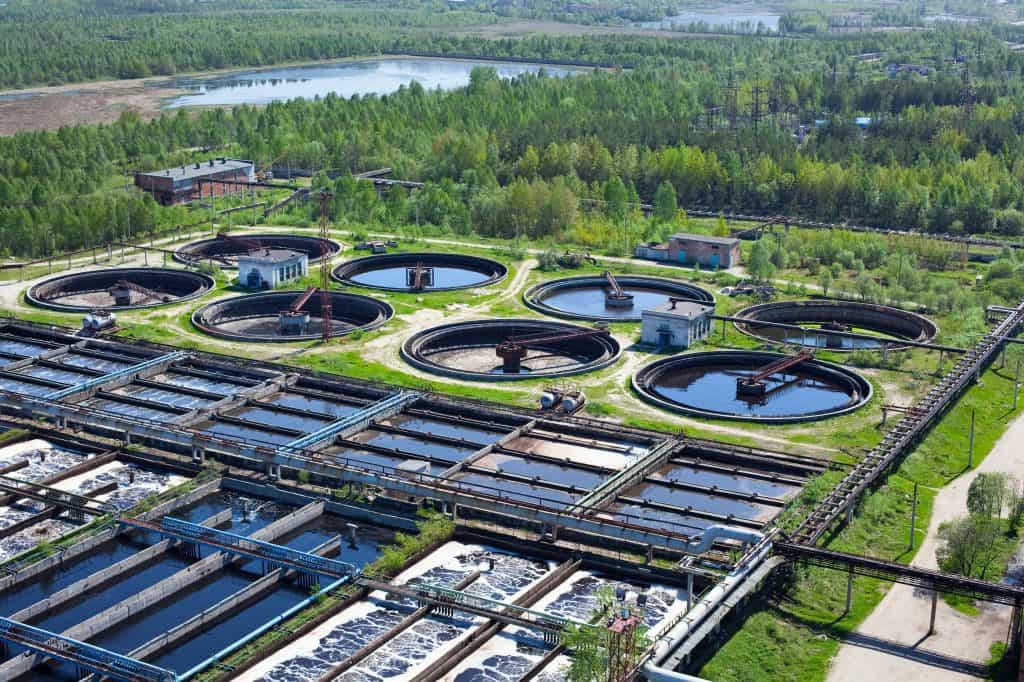
The global water treatment market is witnessing significant growth, driven by increasing concerns over water scarcity, the rising demand for clean water, and the need for sustainable water management solutions across various industries. As governments, businesses, and consumers focus on improving water quality, enhancing efficiency in water usage, and protecting ecosystems.
Market Overview
The Water Treatment Market is predicted to reach USD 387.36 billion with a CAGR of 8.2% by 2030. Water treatment refers to the process of purifying and managing water to ensure its safe consumption, use, and disposal. With growing populations, industrialization, and urbanization, the demand for clean and safe water has surged, making water treatment essential in both residential and industrial sectors. Water treatment technologies encompass a wide range of processes, including filtration, disinfection, desalination, and wastewater treatment, all of which are crucial for ensuring water quality and sustainability.
Click Here for Your FREE Sample!
The global water treatment market is expanding rapidly, thanks to several key factors:
- Rising Water Scarcity and Pollution: As freshwater resources become increasingly scarce, and water pollution levels rise due to industrial waste, agricultural runoff, and urbanization, there is an urgent need for effective water treatment solutions. According to the United Nations, nearly 2.2 billion people globally lack access to safe drinking water, highlighting the need for improved water treatment infrastructure.
- Stringent Environmental Regulations: Governments worldwide are implementing stricter regulations regarding water quality and wastewater treatment. These regulations are driving investments in advanced water treatment technologies to meet compliance standards and ensure public health and environmental protection.
- Technological Advancements: Innovations in water treatment technologies, such as advanced filtration systems, membrane bioreactors, reverse osmosis, and ultraviolet (UV) disinfection, are making water treatment more efficient, cost-effective, and environmentally friendly. The adoption of smart water treatment systems and IoT-enabled devices is further optimizing the management of water resources.
Download Your Free Sample Today!
Market Segmentation
The global water treatment market can be segmented based on technology, application, end-user, and region.
- By Technology:
- Filtration: Filtration is one of the most commonly used water treatment methods. It involves the removal of contaminants and particles through physical barriers such as membranes, sand, and activated carbon. Filtration technologies are widely used in municipal water systems and household water purifiers.
- Reverse Osmosis: Reverse osmosis (RO) is a process that uses a semi-permeable membrane to remove dissolved salts, minerals, and contaminants from water. RO technology is increasingly used in desalination plants, industrial water treatment, and for producing high-quality drinking water.
- Ultraviolet (UV) Disinfection: UV disinfection involves using ultraviolet light to kill harmful microorganisms in water. This technology is gaining traction in both residential and industrial water treatment applications due to its effectiveness and minimal environmental impact.
- Membrane Bioreactors (MBR): Membrane bioreactors combine biological treatment and filtration to treat wastewater efficiently. MBR systems are commonly used in municipal and industrial wastewater treatment applications due to their high-performance and compact design.
- Desalination: Desalination technology removes salt and other impurities from seawater, making it suitable for consumption and use. This technology is especially important in regions facing water scarcity and lack of freshwater resources.
- Others: Other technologies, such as ion exchange, electrocoagulation, and activated sludge, are also used for various water treatment applications depending on the specific requirements of the water quality and intended use.
- By Application:
- Municipal: Municipal water treatment is essential for ensuring safe drinking water for urban populations. Treatment plants use various technologies to remove contaminants, such as bacteria, viruses, sediments, and chemicals, from natural water sources.
- Industrial: Industries such as food and beverage, chemicals, power generation, and oil and gas rely heavily on water treatment solutions to maintain water quality for manufacturing processes and wastewater disposal. These industries increasingly turn to water recycling, reuse, and treatment technologies to reduce operational costs and comply with environmental regulations.
- Agriculture: Water treatment solutions in agriculture include irrigation water purification and wastewater reuse for agricultural activities. With water scarcity becoming a major challenge, efficient water management and treatment technologies are essential for sustainable agricultural practices.
- Residential: The residential sector is increasingly adopting water treatment solutions, including home water purifiers and filtration systems, to ensure clean and safe drinking water. The growing awareness of waterborne diseases and water pollution is driving demand for household water treatment systems.
- By End-User:
- Residential: The demand for residential water treatment products is rising due to concerns over water quality, health risks, and increasing awareness about the benefits of clean drinking water. Water filters, purifiers, and UV disinfection systems are among the most popular products for household use.
- Commercial: Commercial establishments, including hotels, restaurants, and office buildings, require water treatment solutions for both potable water and wastewater management. These systems ensure that businesses meet regulatory standards and provide safe water for their customers and employees.
- By Region:
- North America: North America is a leading market for water treatment solutions, driven by stringent regulations, high industrial demand, and a growing focus on water sustainability. The U.S. and Canada have invested heavily in advanced water treatment technologies to address water scarcity, pollution, and aging infrastructure.
- Europe: Europe also represents a significant market for water treatment, with countries like Germany, France, and the UK focusing on improving water quality through state-of-the-art treatment technologies. The region is also a key player in the development of water recycling and reuse technologies.
- Asia-Pacific: The Asia-Pacific region is expected to experience the highest growth in the water treatment market, driven by rapid urbanization, industrialization, and the increasing demand for clean water in countries like China and India. The region is investing heavily in infrastructure development and water management solutions to address water scarcity and pollution.
- Rest of the World: Latin America, the Middle East, and Africa are seeing steady growth in the water treatment market, particularly in regions facing water scarcity, such as the Middle East and parts of Africa. These areas are focusing on desalination and water reuse technologies to ensure a stable water supply.
Key Drivers and Challenges
Drivers:
- Increasing Water Scarcity: The growing global population and rising industrial demand for water are intensifying pressure on freshwater resources, prompting the adoption of efficient water treatment solutions.
- Stringent Environmental Regulations: Governments are implementing stricter water quality standards, pushing industries and municipalities to invest in advanced water treatment technologies.
- Technological Innovations: Advances in filtration, desalination, and wastewater treatment technologies are making water treatment more efficient, cost-effective, and environmentally friendly.
Challenges:
- High Capital and Operational Costs: While advanced water treatment technologies offer long-term benefits, the high upfront capital costs and operational expenses associated with installation and maintenance can be a barrier for small municipalities and industries.
- Water Quality Variability: Water quality can vary significantly based on location, climate, and pollution levels, requiring highly specialized treatment technologies for different regions and applications.
Conclusion
The global water treatment market is poised for significant growth, driven by rising water scarcity, technological advancements, and increasing environmental awareness. As the demand for clean water continues to grow, water treatment technologies will play a crucial role in ensuring sustainable water management for industries, municipalities, and households alike.
