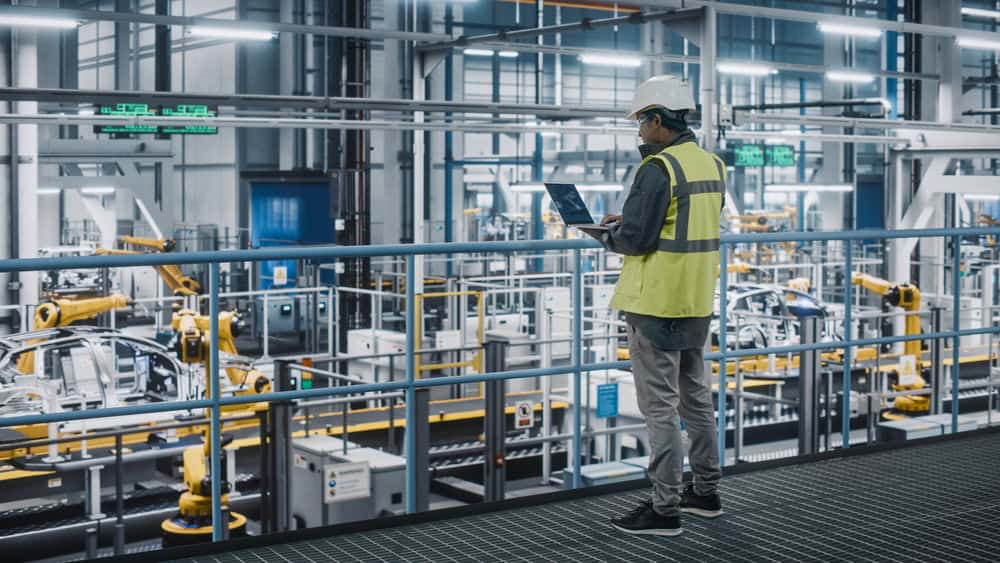
Germany industrial process automation (IPA) market is witnessing robust growth is predicted to reach USD 6.83 billion at a CAGR of 3.8% till 2030, driven by the country’s push towards digitalization, sustainable manufacturing, and advanced technological adoption. As one of the largest industrial markets in Europe, Germany continues to embrace automation solutions to streamline operations, improve productivity, and meet its ambitious environmental goals. The adoption of innovative automation technologies across key sectors such as automotive, energy, chemicals, and manufacturing positions Germany as a global leader in industrial process automation.
Industrial process automation encompasses a wide array of technologies, including programmable logic controllers (PLCs), distributed control systems (DCS), supervisory control and data acquisition (SCADA) systems, and robotics. These solutions help optimize industrial operations by automating critical processes, improving efficiency, enhancing safety, and reducing costs. Germany’s advanced industrial infrastructure and focus on technological innovation make it an ideal market for the expansion of industrial process automation.
Market Overview
Germany industrial process automation market is one of the largest and most dynamic in Europe. As a leading player in the global manufacturing sector, Germany has long been at the forefront of adopting automation technologies, particularly in industries such as automotive manufacturing, energy production, chemicals, pharmaceuticals, and food & beverage. The country’s commitment to sustainability, high environmental standards, and the European Union’s Green Deal are driving the demand for more efficient and sustainable manufacturing processes.
Don’t Miss Out! Get Your FREE Sample!
The integration of Industry 4.0 technologies, including the Internet of Things (IoT), artificial intelligence (AI), big data analytics, and cloud computing, has revolutionized Germany’s manufacturing landscape. As a result, the industrial process automation market in the country is experiencing substantial growth, with increasing investment in smart factories, digitalized production lines, and automated systems that offer real-time monitoring and predictive analytics.
Key Drivers of Market Growth
Industry 4.0 and Digital Transformation
Germany is leading the way in the implementation of Industry 4.0, a paradigm shift that emphasizes the integration of digital technologies with industrial processes. Industry 4.0 enables manufacturers to collect real-time data, optimize production processes, and increase overall efficiency. Automation technologies such as IoT sensors, AI, and cloud-based systems allow companies to create intelligent, self-optimizing production environments. These technologies drive cost savings, improve operational agility, and enhance decision-making.
Germany’s automotive industry, in particular, has been an early adopter of Industry 4.0, leveraging advanced robotics and autonomous systems in production lines to improve precision, speed, and flexibility. As more sectors embrace digitalization, the demand for automation solutions in Germany is set to continue growing.
Commitment to Sustainability and Green Manufacturing
Germany’s strong commitment to environmental sustainability is another key driver of growth in the industrial process automation market. The country’s ambitious climate goals and adherence to the EU’s Green Deal are pushing industries to adopt greener, more energy-efficient manufacturing processes. Automation technologies are crucial in helping companies optimize resource use, reduce energy consumption, and minimize waste.
In the energy sector, automation plays a vital role in enhancing the efficiency of renewable energy generation, distribution, and storage systems. With the increasing integration of renewable energy sources such as wind and solar, automation ensures that these systems operate optimally, contributing to Germany’s efforts to reduce carbon emissions and meet its sustainability targets.
Labor Shortages and Operational Efficiency
As in many other developed economies, Germany is facing labor shortages, particularly in manufacturing and skilled labor sectors. Automation helps mitigate the impact of these shortages by reducing reliance on human labor while increasing productivity. Robotic systems, AI, and machine learning enable industries to maintain high production levels and quality standards, even with a reduced workforce.
Additionally, automation technologies can reduce human error, enhance worker safety, and improve the consistency of products, which is crucial in industries such as pharmaceuticals, chemicals, and food production. As companies look to maintain competitiveness in a rapidly changing market, automation is seen as a key solution to ensure long-term operational success.
Challenges and Opportunities
While the industrial process automation market in Germany holds significant potential, several challenges remain. One of the main obstacles is the high initial investment required for automation technologies, which can be a barrier for small and medium-sized enterprises (SMEs). Additionally, integrating new automation systems with legacy infrastructure can be complex and costly.
However, these challenges present opportunities for automation providers to develop flexible, scalable solutions that cater to businesses of all sizes. Cloud-based platforms, software-as-a-service (SaaS) models, and affordable automation solutions are helping reduce the financial barriers to entry, enabling SMEs to embrace digitalization without significant upfront costs.
Market Outlook
The industrial process automation market in Germany is poised for continued growth, fueled by the ongoing digital transformation, sustainability initiatives, and increasing demand for efficiency across industries. Automation is expected to play a central role in helping German industries remain competitive in the global market while meeting the country’s climate goals.
As Industry 4.0 technologies continue to evolve and businesses seek smarter, more energy-efficient solutions, the demand for automation systems in Germany is set to rise. Germany’s strong industrial base, combined with its focus on digitalization and sustainability, ensures that the country will remain a global leader in industrial process automation.
