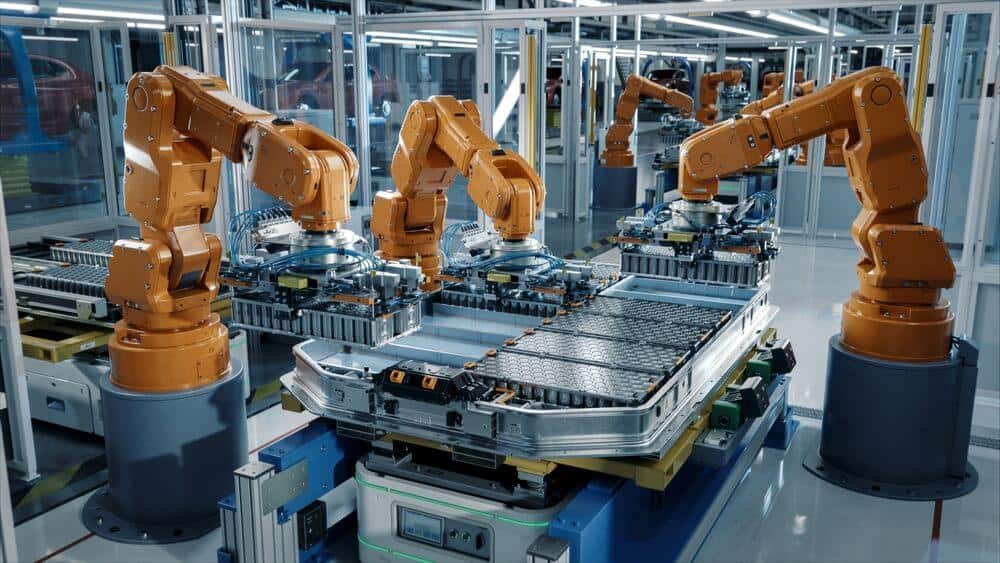
Norway industrial process automation (IPA) market is set to experience robust growth is predicted to reach USD 93.7 million at a CAGR of 5.0% till 2030 as the country accelerates its transition to digitalized, efficient, and sustainable industrial practices. As Norway continues to invest in advanced technologies such as artificial intelligence (AI), the Internet of Things (IoT), and robotics, industries across sectors such as oil and gas, manufacturing, energy, and chemicals are adopting automation to streamline operations, boost productivity, and meet stringent environmental goals. With its strong commitment to sustainability and technological innovation, Norway is establishing itself as a leader in the industrial process automation market.
Industrial process automation refers to the integration of technology that automates complex industrial processes to improve operational efficiency, reduce costs, enhance quality control, and ensure safety. As Norwegian industries embrace Industry 4.0, automation technologies have become a key enabler of growth and sustainability, helping to reshape industrial practices in the country.
Market Overview
Norway industrial process automation market is expected to grow steadily, fueled by a variety of factors, including the country’s strong industrial base, technological advancements, and a national focus on reducing carbon emissions. Norway’s energy sector, with its heavy reliance on automation in oil and gas production, and its increasing adoption of renewable energy sources, plays a significant role in driving demand for automation solutions.
Explore the Benefits with a FREE Sample!
As Norway works toward achieving its ambitious climate goals, automation solutions are helping industries meet their sustainability targets by optimizing production efficiency and reducing waste. In addition, Norway’s manufacturing sectors, particularly in chemicals, food and beverage, and pharmaceuticals, are turning to automation to increase operational performance and reduce labor costs, all while complying with stringent regulatory standards.
Key Drivers of Market Growth
Adoption of Industry 4.0 and Digitalization
The transition to Industry 4.0, characterized by the integration of IoT, AI, big data, and cloud computing into industrial processes, is a major driver of growth in Norway’s industrial process automation market. The Norwegian industrial sector, including oil and gas, energy, and manufacturing, is increasingly adopting smart technologies to automate operations, gather real-time data, and enhance decision-making.
For example, Norwegian oil and gas companies are using automation technologies to monitor and control operations in remote and hazardous environments. Automation solutions help enhance safety, optimize resource extraction, and increase production uptime, which is crucial for maintaining competitive advantage in a global market.
The manufacturing sector is also leveraging Industry 4.0 technologies to improve production efficiency, reduce downtime, and implement predictive maintenance strategies. With the increased use of sensors, robotics, and AI, Norwegian industries can optimize processes, reduce operational costs, and better respond to market demands.
Sustainability and Green Manufacturing
Norway has long been a global leader in sustainability and environmental protection. The country has set ambitious climate goals to become carbon-neutral by 2050 and is committed to the EU’s Green Deal. As part of these efforts, Norwegian industries are turning to automation technologies to improve energy efficiency, reduce emissions, and streamline operations.
In the energy sector, automation is enabling Norwegian companies to manage renewable energy sources, such as wind and hydropower, more effectively. Automated systems ensure that energy production and distribution are optimized, improving both efficiency and sustainability. Additionally, the automation of industrial processes in manufacturing sectors like food and beverage is helping companies reduce waste and energy consumption while adhering to strict environmental standards.
Cost Reduction and Operational Efficiency
As global competition increases, Norwegian industries are under pressure to maintain high levels of efficiency and reduce costs. Automation is a key solution to address these challenges by streamlining operations, increasing throughput, and improving precision in production processes.
Stay Ahead with the Latest News
Challenges and Opportunities
While the industrial process automation market in Norway holds significant potential, challenges remain. High initial costs associated with implementing automation systems may pose a barrier, particularly for small and medium-sized enterprises (SMEs). However, the increasing availability of cost-effective, scalable automation solutions and government incentives for green manufacturing practices are helping overcome these hurdles.
Moreover, the integration of automation technologies into existing infrastructures presents a challenge for industries that rely on legacy systems. However, this presents an opportunity for automation providers to offer tailored, flexible solutions that ensure a smooth transition to more automated processes.
Market Outlook
The industrial process automation market in Norway is poised for strong growth, driven by digitalization, sustainability initiatives, and the need for operational efficiency across various industrial sectors. Automation is helping Norwegian companies achieve higher productivity, reduce costs, and comply with environmental regulations, positioning them for long-term success in an increasingly competitive global marketplace.
As automation technologies continue to evolve, Norway is set to remain at the forefront of industrial innovation, with ongoing investments in smart technologies, AI, and robotics. With its strong industrial base, commitment to sustainability, and focus on digital transformation, Norway is well-positioned to lead the way in industrial process automation.
