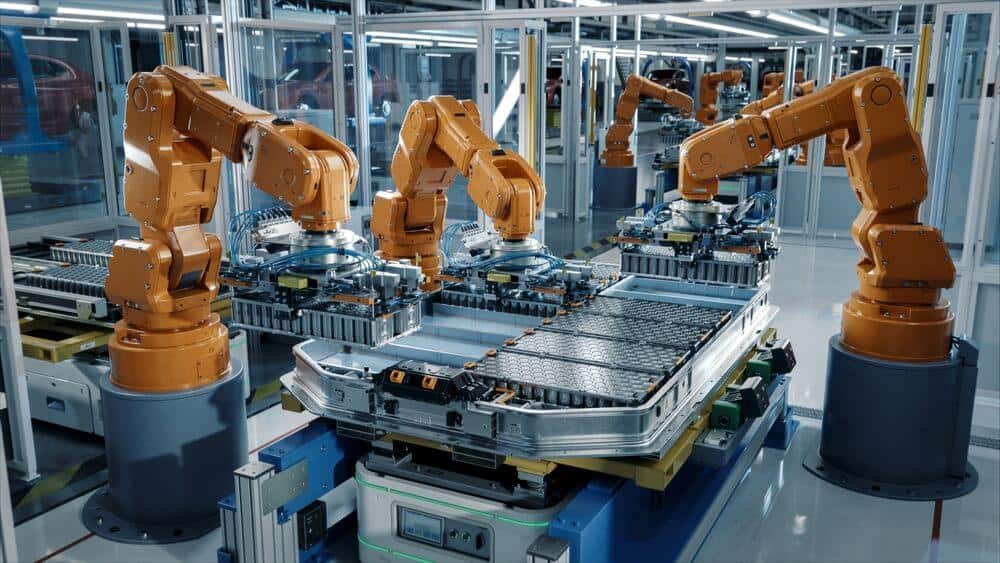
The Netherlands industrial process automation (IPA) market is poised for rapid is predicted to reach USD 624.4 million at a CAGR of 4.6% till 2030 as the country’s industrial sectors embrace advanced technologies to enhance productivity, improve operational efficiency, and meet sustainability targets. The Dutch market is increasingly driven by the adoption of Industry 4.0 technologies such as artificial intelligence (AI), the Internet of Things (IoT), and robotics, as well as the country’s strong commitment to environmental sustainability. As industries across sectors such as manufacturing, chemicals, energy, and food and beverage integrate automation into their processes, the Netherlands is becoming a global leader in the automation space.
Industrial process automation refers to the use of advanced technologies to control and monitor industrial processes, reducing human intervention and ensuring greater precision, consistency, and efficiency. In the Netherlands, companies across various industries are capitalizing on automation to boost competitiveness, reduce costs, and minimize environmental impacts, aligning with the country’s ambitious climate goals.
Market Overview
The Netherlands industrial process automation market is experiencing robust growth due to the country’s proactive approach to digital transformation, its thriving industrial base, and its leadership in sustainability. The Netherlands is one of Europe’s largest manufacturing hubs and is home to numerous multinational corporations in sectors such as chemicals, electronics, and energy. These industries are increasingly adopting automation technologies to optimize operations and remain competitive in a rapidly evolving market.
Click Here for Your FREE Sample!
The country’s strategic location within the European Union and its emphasis on innovation in technology and sustainability provide a solid foundation for growth in the IPA market. As the Netherlands continues to foster digitalization and Industry 4.0 initiatives, automation is becoming a central component of industrial operations, contributing to improvements in energy efficiency, reduced carbon emissions, and streamlined production processes.
Key Drivers of Market Growth
Industry 4.0 and Digital Transformation
Industry 4.0 is revolutionizing the industrial landscape, and the Netherlands is at the forefront of this transformation. The integration of IoT, AI, big data analytics, cloud computing, and robotics is enabling industries to automate complex processes, increase real-time data processing, and enhance decision-making. This digital revolution is improving the efficiency and flexibility of manufacturing systems, as well as enhancing the overall customer experience.
In the Netherlands, manufacturing sectors such as chemicals, automotive, and machinery are leading the way in automation adoption. For instance, Dutch automotive manufacturers are leveraging robotics and AI to optimize assembly lines, enhance precision, and improve production efficiency. Real-time data analytics and machine learning are also being used to reduce downtime, predict maintenance needs, and optimize supply chain management.
Sustainability and Green Manufacturing
The Netherlands has long been a global leader in sustainability, and the country’s commitment to achieving carbon neutrality by 2050 is driving industries to adopt automation technologies that promote energy efficiency and reduce environmental impact. The government’s policies and initiatives, such as the Dutch Climate Agreement, are incentivizing businesses to adopt sustainable manufacturing practices, including energy-efficient processes and waste reduction.
Cost Efficiency and Operational Optimization
In a highly competitive global market, companies in the Netherlands are increasingly turning to automation to improve operational efficiency, reduce costs, and enhance product quality. Automated systems are streamlining production lines, reducing human error, and increasing throughput. This results in significant cost savings for companies and positions them to meet the growing demand for high-quality products at competitive prices.
Don’t Miss This Important Update
Challenges and Opportunities
While the Netherlands’ industrial process automation market offers substantial growth potential, challenges remain, particularly regarding the high initial costs of automation implementation and the integration of new technologies with legacy systems. However, these challenges also present opportunities for automation providers to develop more affordable and scalable solutions tailored to the specific needs of Dutch industries.
Moreover, as more industries embrace automation, there is a growing demand for skilled professionals who can manage and maintain advanced automation systems. This creates opportunities for education and training programs focused on the future skills needed in the automation sector.
Market Outlook
The industrial process automation market in the Netherlands is expected to continue its upward trajectory in 2025 and beyond, driven by Industry 4.0 technologies, sustainability initiatives, and the ongoing push for operational efficiency. As Dutch industries continue to prioritize digital transformation and environmental goals, automation will be a central component of their strategies to remain competitive and meet the demands of an increasingly dynamic global market.
The Netherlands is well-positioned to remain a leader in industrial automation, with a thriving industrial base, strong government support for sustainable manufacturing, and a commitment to technological innovation. The country’s adoption of advanced automation solutions will not only enhance operational performance but also contribute to the achievement of its climate goals and further solidify its position as a key player in the European automation market.
