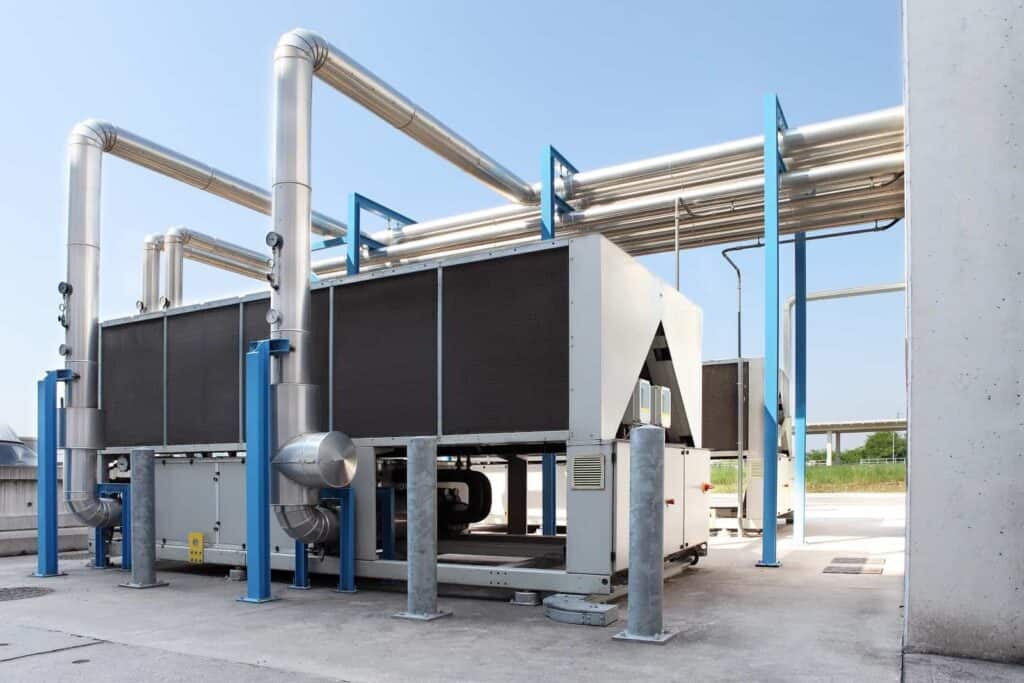
The Canada air handling unit (AHU) market is set to experience substantial growth, driven by the increasing demand for energy-efficient HVAC systems, the rise of green building initiatives, and the need for improved indoor air quality.
The Canada Air Handling Unit (AHU) Market is predicted to reach USD 491.8 million, at a CAGR of 2.1% by 2030. Air handling units, essential components of HVAC systems, are responsible for regulating and circulating air as part of heating, cooling, and ventilation systems in commercial, residential, and industrial buildings. With growing concerns over energy efficiency and environmental impact, the demand for advanced AHU solutions has risen, driving manufacturers to develop products that optimize energy consumption while improving air quality and comfort.
Market Overview
The Canada AHU market encompasses a wide range of air handling units used in various industries, including commercial, residential, industrial, and institutional buildings. These units are responsible for conditioning and circulating air as part of an HVAC system. The demand for AHUs has increased significantly due to the growing construction industry, especially in the commercial and industrial sectors, and the rising awareness regarding energy conservation and indoor air quality.
Don’t Miss This Important Update
The AHU market is primarily driven by two factors: the increasing adoption of energy-efficient systems and the demand for healthier indoor environments. Modern air handling units are designed to be more energy-efficient, incorporating advanced technologies such as variable air volume (VAV) systems, energy recovery ventilators (ERVs), and heat exchangers, which help reduce energy consumption while maintaining optimal air quality.
Key Market Drivers
- Rising Demand for Energy-Efficient Solutions: With energy costs rising and sustainability becoming a key consideration in building design, the demand for energy-efficient HVAC systems, including AHUs, is growing rapidly. Energy-efficient air handling units are designed to minimize energy consumption while providing effective ventilation and air conditioning. The use of advanced features like heat recovery, demand-based ventilation, and smart controls are helping to reduce operational costs and carbon footprints, making AHUs an attractive investment for property owners and businesses.
- Construction Boom and Urbanization: Canada’s construction sector is experiencing significant growth, particularly in urban centers such as Toronto, Vancouver, and Montreal, where demand for commercial office spaces, high-rise residential buildings, and industrial complexes continues to rise. This expansion in building construction, particularly in the commercial sector, is driving the demand for high-performance air handling units, which are integral to modern HVAC systems.
- Green Building Initiatives and Environmental Standards: Green building standards and certifications, such as LEED (Leadership in Energy and Environmental Design), have placed a strong emphasis on energy efficiency and sustainability in the design and construction of new buildings. As businesses and developers increasingly prioritize eco-friendly building practices, the demand for advanced AHUs equipped with energy-efficient components and systems is rising. Air handling units that comply with green building standards help reduce energy consumption, improve indoor air quality, and contribute to the overall sustainability of a building.
- Growing Focus on Indoor Air Quality (IAQ): The COVID-19 pandemic has heightened awareness of the importance of indoor air quality, particularly in commercial buildings, schools, healthcare facilities, and industrial spaces. Air handling units play a crucial role in maintaining optimal IAQ by ensuring adequate ventilation, filtration, and temperature control. The increasing focus on providing healthier indoor environments in both new and existing buildings has led to increased demand for advanced AHUs that can offer superior filtration, moisture control, and energy recovery features.
- Technological Advancements in AHUs: The AHU market is experiencing significant technological advancements, with the integration of smart technologies such as sensors, automation, and IoT connectivity. These technologies enable real-time monitoring of air quality, temperature, and humidity levels, allowing building operators to optimize energy use and improve comfort levels. Additionally, the development of heat recovery systems, which capture and reuse heat energy from exhaust air, is helping to reduce energy consumption and make AHUs more environmentally friendly.
Market Challenges
Despite the growth potential, the Canada AHU market faces several challenges. One of the key barriers to market expansion is the high initial cost of advanced air handling units, especially those equipped with energy-efficient features and smart technologies. Although these systems offer long-term savings in energy consumption, the upfront investment may be a challenge for some building owners or developers.
Don’t Miss This Important Update
Another challenge is the complexity involved in the installation and maintenance of AHU systems, particularly in existing buildings that may require significant retrofitting to accommodate modern HVAC technologies. While the long-term benefits of upgrading to more energy-efficient systems are evident, the short-term costs and logistical challenges can pose obstacles to adoption.
Market Outlook
As the construction industry grows and more buildings are designed with a focus on energy efficiency and sustainability, the demand for advanced AHUs will rise. The push for green building certifications, along with increasing concerns about air quality, will further propel demand for air handling units that incorporate smart technologies and energy-saving features.
The market will also see a rise in the replacement and modernization of older AHUs in existing buildings, particularly as more companies and property owners prioritize reducing operational costs and improving energy efficiency. Manufacturers are expected to continue developing innovative AHU solutions, including more compact designs, enhanced filtration systems, and improved heat recovery technologies, to meet evolving market demands.
Conclusion
The Canada air handling unit market is poised for strong growth, driven by rising demand for energy-efficient systems, urbanization, and a growing focus on indoor air quality. As businesses, property owners, and developers continue to prioritize sustainability and energy efficiency in building design, the market for advanced AHUs will continue to expand. With the integration of smart technologies, energy recovery systems, and improved filtration, the future of the Canada AHU market looks promising, offering opportunities for innovation and investment in the HVAC sector.
