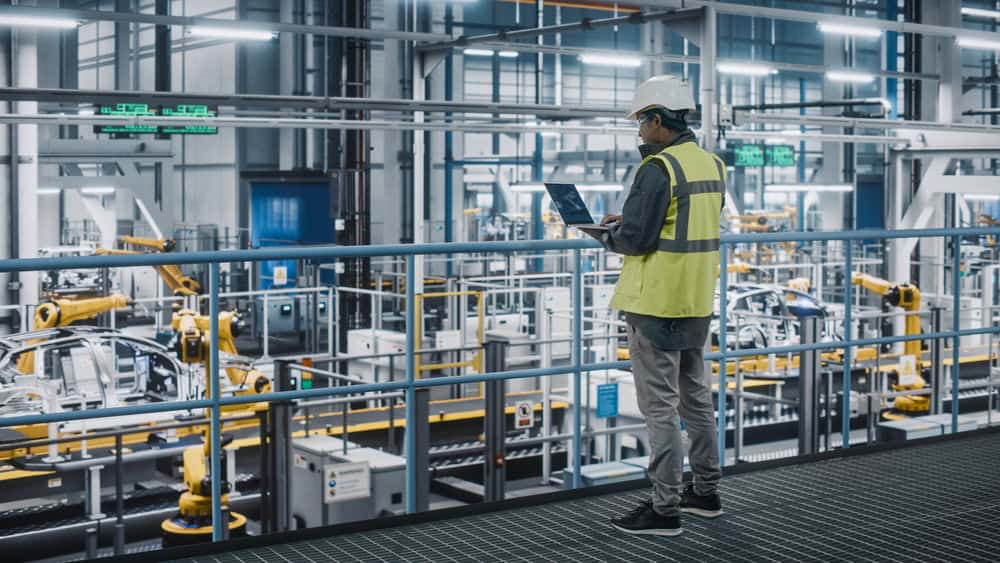
The Asia-Pacific industrial process automation (IPA) market is witnessing strong growth is predicted to reach USD 32.43 billion at a CAGR of 8.1% till 2030. As the region’s manufacturing, energy, and chemical industries increasingly embrace digital transformation, automation technologies such as artificial intelligence (AI), robotics, the Internet of Things (IoT), and machine learning are playing a pivotal role in enhancing productivity, ensuring quality control, and meeting sustainability targets. With increasing demand for operational efficiency and reduced environmental impact, the Asia-Pacific market for industrial process automation is set to become a driving force in the global automation landscape.
Industrial process automation integrates cutting-edge technologies to automate complex processes in industries such as manufacturing, energy, chemicals, food and beverage, and pharmaceuticals. By reducing human intervention, automating repetitive tasks, and enabling real-time monitoring, automation ensures higher efficiency, greater precision, and significant cost savings. The Asia-Pacific region, with its diverse industrial landscape and focus on advancing technologies, is at the forefront of adopting these solutions.
Market Overview
The Asia-Pacific industrial process automation market is set for substantial growth, driven by the region’s robust industrial base, rising adoption of Industry 4.0 technologies, and government initiatives promoting sustainability and digitalization. As a manufacturing powerhouse, countries such as China, Japan, India, South Korea, and Australia are increasingly investing in automation to enhance industrial productivity and streamline operations.
See What You’re Missing – Download a FREE Sample Now!
Asia-Pacific’s growing emphasis on clean energy, coupled with stricter environmental regulations, is further accelerating the demand for automation technologies that improve energy efficiency and reduce carbon emissions. The region’s commitment to sustainability and green manufacturing practices is expected to create numerous opportunities for automation providers to offer innovative solutions that help industries reduce waste, optimize resource usage, and meet climate goals.
Key Drivers of Market Growth
- Industry 4.0 Adoption
Industry 4.0, characterized by the integration of IoT, AI, robotics, big data, and cloud computing, is revolutionizing industrial operations across Asia-Pacific. The adoption of these technologies allows businesses to automate production lines, enhance real-time data collection, and improve decision-making. The manufacturing sector, in particular, is leveraging automation to optimize operations, increase production throughput, and improve product quality.
In countries like Japan and South Korea, where manufacturing is a core industry, robotics and AI-driven automation systems are being implemented to increase the efficiency of production processes, especially in the automotive, electronics, and consumer goods sectors. These advancements in automation are essential for maintaining competitiveness in the global market, as they offer the ability to scale production while reducing downtime and operational costs.
- Sustainability Initiatives
Sustainability is a key driver of growth for the industrial process automation market in Asia-Pacific. Many countries in the region, including China and India, have set ambitious carbon reduction and environmental sustainability targets. Automation technologies help industries optimize energy use, minimize waste, and reduce their carbon footprint, making them integral to achieving these goals.
- Cost Efficiency and Operational Optimization
In a highly competitive global market, businesses in Asia-Pacific are increasingly turning to automation to optimize operations and reduce costs. Automated systems help streamline production processes, reduce human error, and increase throughput, which translates into substantial cost savings. In sectors such as chemicals, food and beverage, and pharmaceuticals, automation technologies are enabling real-time monitoring, quality control, and predictive maintenance, resulting in enhanced production efficiency.
The use of robotics, AI, and machine learning also allows businesses to automate tasks such as packaging, material handling, and assembly, further driving operational efficiency. These technologies not only reduce operational costs but also enhance overall productivity, helping businesses maintain a competitive edge in the fast-evolving marketplace.
Challenges and Opportunities
While the Asia-Pacific industrial process automation market offers significant growth potential, challenges such as the high initial investment costs and the complexity of integrating automation technologies with legacy systems remain. However, these challenges present opportunities for automation providers to develop cost-effective, scalable, and flexible solutions tailored to the unique needs of businesses in the region.
Moreover, the growing emphasis on sustainability presents opportunities for automation providers to offer solutions that enable industries to meet environmental standards while improving operational efficiency. The increasing demand for smart factory systems, predictive maintenance, and energy management solutions creates a thriving market for automation technologies in Asia-Pacific.
Market Outlook
The industrial process automation market in Asia-Pacific is expected to grow at a significant pace in the coming years, driven by Industry 4.0 adoption, sustainability goals, and increasing demand for operational efficiency. As companies across the region continue to adopt automation technologies to stay competitive, reduce costs, and meet regulatory requirements, the market is set to play a critical role in shaping the future of manufacturing and industrial operations in Asia-Pacific.
With ongoing investments in AI, IoT, robotics, and sustainable energy, Asia-Pacific is well-positioned to lead the global industrial process automation market, providing businesses with the tools they need to thrive in a rapidly evolving industrial landscape.
