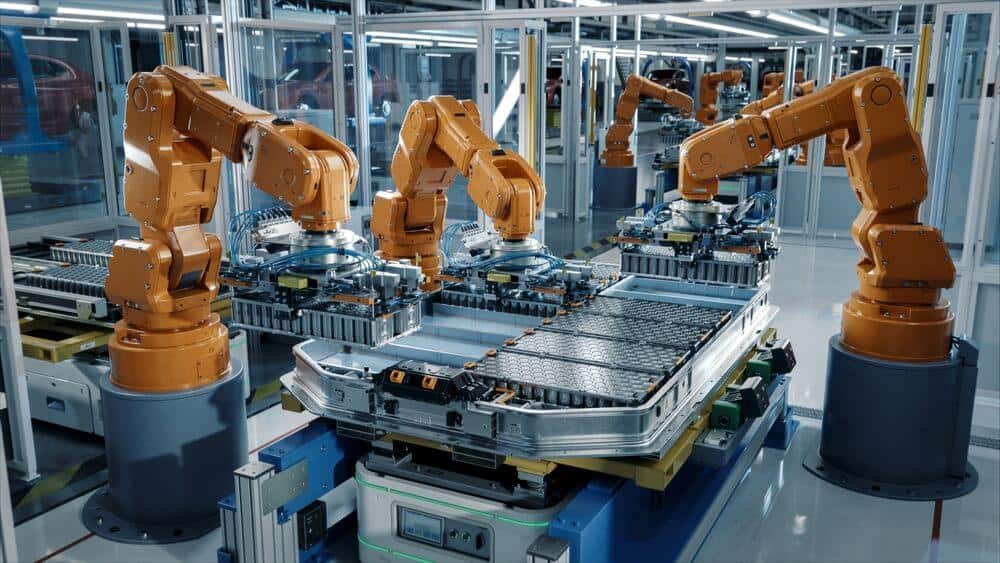
The Australia industrial automation market is on a growth is predicted to reach USD 648.6 million at a CAGR of 7.4% till 2030 with increasing demand for automation solutions across key sectors such as manufacturing, mining, energy, and food & beverage. Driven by the need for enhanced productivity, operational efficiency, and reduced costs, businesses across the country are rapidly adopting industrial automation technologies. As companies look to streamline operations and maintain competitiveness in the global marketplace, the industrial process automation market in Australia is expected to experience substantial growth in the coming years.
Market Overview
Industrial process automation refers to the use of control systems such as computers, programmable logic controllers (PLCs), and industrial robots to handle various processes in industries, including manufacturing, refining, and production. In Australia, companies are increasingly adopting automation solutions to modernize their facilities and reduce reliance on manual labor. Automation offers significant advantages, such as improved accuracy, reduced downtime, enhanced safety, and cost savings.
The Australia industrial automation market is expanding as businesses look to optimize their processes and integrate advanced technologies like artificial intelligence (AI), the Internet of Things (IoT), and machine learning into their operations. As Australia continues to invest in its infrastructure and manufacturing capabilities, the demand for industrial automation is expected to surge, particularly within sectors that require high levels of precision and reliability.
Don’t Miss Out! Get Your FREE Sample!
Key Drivers of Market Growth
Increased Demand for Operational Efficiency
As the global economy becomes more competitive, Australian industries are seeking ways to improve productivity and reduce operational costs. Industrial process automation allows companies to streamline their operations, minimize human error, and increase production efficiency. For example, in manufacturing, automation enables businesses to maintain consistent product quality, reduce waste, and optimize resource utilization, all of which contribute to lower costs and improved profit margins.
Furthermore, automation helps businesses adapt to shifting market demands and enhance their ability to scale operations. Industries such as automotive, food and beverage, pharmaceuticals, and mining are particularly benefiting from these improvements in operational efficiency.
Growth of the Manufacturing Sector
Australia’s manufacturing sector is experiencing a renaissance, with an increasing focus on high-tech, value-added production. Industrial process automation is a crucial component of this transformation. Automation helps manufacturers improve production processes by integrating systems that enable real-time monitoring, predictive maintenance, and intelligent decision-making.
Manufacturers in industries such as automotive, electronics, and chemicals are using automation to optimize production lines, reduce downtime, and enhance product quality. These advancements are helping Australia’s manufacturing sector become more competitive and globally integrated, paving the way for further adoption of industrial automation technologies.
Demand for Smart Manufacturing and Industry 4.0
The shift toward Industry 4.0, characterized by the use of smart factories and interconnected devices, is a major driver for the Australian industrial process automation market. With the rise of IoT, machine learning, and data analytics, manufacturers are integrating advanced technologies to create more agile, efficient, and adaptive production environments.
By connecting machines, sensors, and systems in real time, Australian businesses are improving visibility across their operations, enabling data-driven decisions that lead to enhanced productivity. Additionally, smart manufacturing allows businesses to implement predictive maintenance, which reduces equipment failures, lowers maintenance costs, and improves system uptime.
Challenges and Opportunities
While the industrial process automation market in Australia is on the rise, companies face several challenges, including high initial capital investment, integration complexities, and workforce retraining. The upfront cost of automation systems can be a barrier for small and medium-sized enterprises (SMEs). However, as automation technologies become more affordable and scalable, SMEs are increasingly able to access these solutions.
Furthermore, businesses must invest in training their workforce to manage and maintain automated systems. The rise of automation creates an opportunity for skill development and workforce transformation, as employees are upskilled to handle more technical roles within automated environments.
Market Outlook
The Australian industrial process automation market is projected to grow significantly over the next decade. The market is expected to expand as industries continue to invest in cutting-edge technologies to improve productivity, reduce costs, and meet the demands of an increasingly competitive global marketplace. Key growth areas include the manufacturing, mining, energy, and food & beverage sectors, with automation solutions playing a pivotal role in each.
As Australia embraces the digital transformation of its industrial sectors, the market for industrial process automation will continue to thrive. Companies that embrace automation technologies will be well-positioned to maintain a competitive edge, enhance operational efficiencies, and drive innovation across industries.
The market is also likely to see increasing investments in AI-powered automation, robotics, and predictive analytics. With ongoing advancements in automation technologies and the growing push toward Industry 4.0, the future of industrial process automation in Australia is poised to be both dynamic and prosperous.
