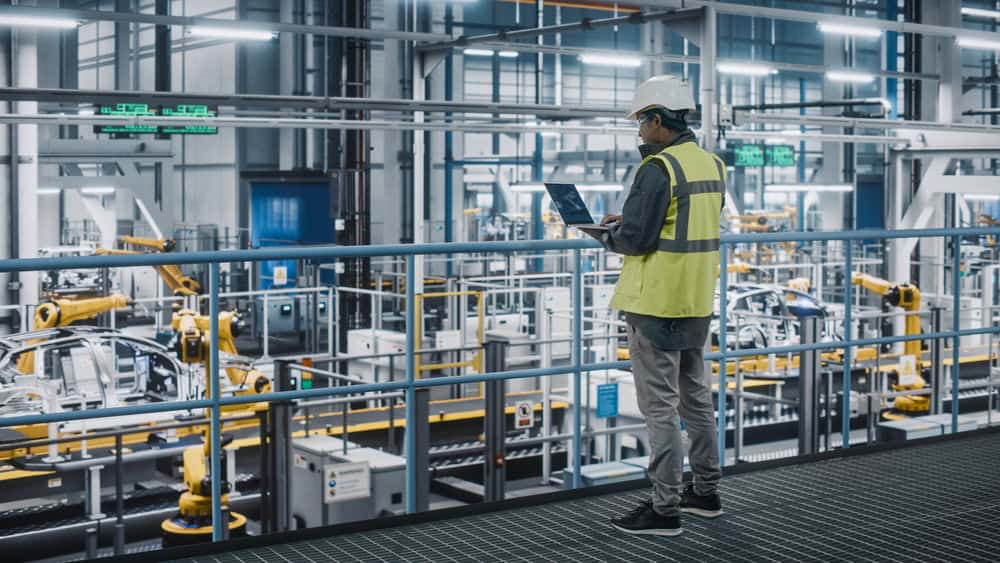
The Russia industrial process automation market is set to experience robust growth is predicted to reach USD 4.07 billion at a CAGR of 2.1% till 2030, as industries across the country embrace the transformative power of digital technologies. With an increasing demand for operational efficiency, cost reduction, and improved sustainability, automation solutions are playing a pivotal role in driving productivity in key sectors such as manufacturing, energy, chemicals, and mining. As Russia’s industrial base becomes more advanced, the adoption of Industry 4.0 technologies including robotics, artificial intelligence (AI), the Internet of Things (IoT), and machine learning is expected to accelerate, positioning the country as a competitive player in the global industrial automation space.
Market Overview
Russia industrial process automation market is on the cusp of a transformation, driven by the country’s strategic focus on digitalizing its industries. As one of the largest manufacturing hubs in Eastern Europe, Russia’s industries, especially in manufacturing, energy, chemicals, and mining, are increasingly incorporating automation to enhance operational performance, boost efficiency, and improve quality control. Automation is becoming a key enabler for businesses striving to increase output, reduce human error, and lower costs.
Discover More – Get a FREE Sample Today!
Key Drivers of Market Growth
Industry 4.0 and Technological Advancements
The adoption of Industry 4.0 technologies is a significant driver of Russia’s industrial process automation market. Robotics, AI, IoT, big data, and cloud computing are enabling Russian industries to optimize production lines, enhance real-time monitoring, and improve decision-making processes. The integration of these advanced technologies allows companies to reduce downtime, minimize waste, and improve overall productivity.
Manufacturing sectors such as automotive, machinery, and electronics are among the early adopters of automation technologies in Russia. In particular, automotive manufacturers are leveraging robotics and AI-driven systems to streamline assembly lines, improve operational efficiency, and enhance production flexibility. These advancements are essential for Russia’s competitiveness in the global market, where automation is increasingly a key differentiator.
Cost Efficiency and Operational Optimization
In the face of fluctuating energy prices, rising labor costs, and increasing global competition, Russian companies are increasingly turning to industrial process automation to optimize operations and reduce costs. Automated systems improve production efficiency by minimizing human error, reducing manual labor, and enhancing throughput, all of which translate into significant cost savings. In industries such as chemicals, food and beverage, and pharmaceuticals, automation is enabling faster production cycles, more consistent product quality, and higher operational reliability.
For example, in the mining sector, automation is enhancing efficiency in extraction processes and ensuring more precise control over resources. Automated material handling and monitoring systems are being integrated to improve safety, reduce operational costs, and increase the overall efficiency of Russia’s mining and mineral processing industries.
Energy Efficiency and Sustainability Goals
With a growing focus on energy efficiency and environmental sustainability, Russian industries are adopting automation technologies to reduce energy consumption, minimize waste, and lower carbon emissions. In the energy sector, automation is vital for optimizing energy production from both traditional and renewable sources. Automated systems are being used to monitor and control energy generation, storage, and distribution, ensuring greater efficiency and better integration of renewable energy sources into the national grid.
Furthermore, industries such as oil and gas, petrochemicals, and chemicals are using automation to reduce their environmental impact by streamlining production processes and improving resource management. The ability to monitor emissions in real-time and optimize production schedules is helping Russian industries meet stringent environmental regulations and sustainability targets.
Click to Uncover the Full News
Challenges and Opportunities
While the industrial process automation market in Russia presents significant growth potential, several challenges remain. High initial capital investment for automation technologies and the complexity of integrating these systems with legacy equipment can be barriers for some companies, especially small and medium-sized enterprises (SMEs). However, these challenges also present opportunities for automation providers to develop affordable, modular, and scalable solutions tailored to the specific needs of Russian industries.
Moreover, while Russia is making strides in adopting digital technologies, there is still a need for further development in terms of infrastructure, talent, and access to advanced technologies. Overcoming these challenges will require continued collaboration between the government, industry players, and technology providers to foster innovation and create a sustainable ecosystem for automation.
Market Outlook
The industrial process automation market in Russia is poised for steady growth, driven by advancements in Industry 4.0 technologies, sustainability initiatives, and increasing demand for operational efficiency. As Russian industries continue to embrace digital transformation, automation will become a key enabler for improving productivity, reducing operational costs, and enhancing global competitiveness.
The country’s growing industrial base, strong government support for technological innovation, and rising focus on energy efficiency and sustainability position Russia as a promising market for industrial process automation solutions. As more sectors, including energy, chemicals, manufacturing, and mining, adopt advanced automation technologies, the market is set to witness a surge in demand for innovative solutions that drive operational efficiency and improve environmental performance.
