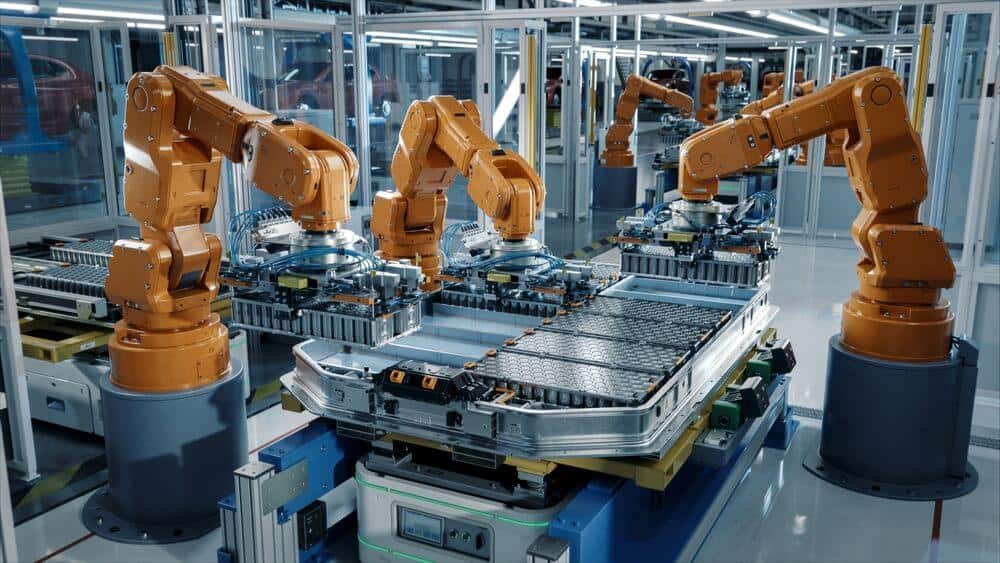
The Spain industrial process automation market is entering a new phase of rapid growth is predicted to reach USD 1.62 billion at a CAGR of 5.3% till 2030, driven by advancements in Industry 4.0 technologies, the increasing emphasis on sustainability, and a strong push for digital transformation across manufacturing and industrial sectors. As Spanish industries embrace automation, including robotics, artificial intelligence (AI), the Internet of Things (IoT), and data analytics, the country’s industrial landscape is undergoing significant changes. With key sectors such as automotive, chemicals, energy, and food processing leading the charge, Spain’s industrial process automation market is poised to make a major impact on both local and global manufacturing markets.
Market Overview
Spain industrial process automation market is evolving rapidly as businesses seek solutions to enhance operational efficiency, reduce costs, and increase production capabilities. The increasing adoption of Industry 4.0 technologies in sectors such as automotive, chemicals, pharmaceuticals, and food and beverage is driving the market’s growth, transforming traditional processes into highly automated and optimized systems. The demand for automation solutions is further amplified by Spain’s commitment to sustainability and its pursuit of carbon neutrality by 2050.
Download Your Free Sample Today!
Automation solutions are empowering Spanish industries to optimize production, reduce environmental impacts, and remain competitive in an increasingly globalized market. By embracing new technologies such as AI-driven robotics, smart sensors, and real-time analytics, Spanish businesses are gaining the ability to improve product quality, speed up production cycles, and reduce waste.
Key Drivers of Market Growth
Industry 4.0 and Smart Manufacturing
Spain is embracing Industry 4.0 technologies, which combine the power of AI, IoT, robotics, and big data to create more intelligent, flexible, and efficient manufacturing environments. Spanish manufacturers, particularly in sectors like automotive and electronics, are increasingly adopting automated systems that integrate real-time data to optimize production, enhance quality control, and boost operational efficiency.
The move towards smart factories is accelerating as companies seek to implement connected systems, improve resource management, and create customized solutions for consumers. With the ability to leverage real-time insights and automate decision-making processes, Industry 4.0 technologies are transforming Spain’s manufacturing capabilities, making the industry more agile and resilient.
Sustainability and Green Manufacturing
As Spain commits to achieving carbon neutrality by 2050, sustainability has become a major driver for the adoption of industrial process automation. Automated systems are helping businesses in industries such as energy, chemicals, and manufacturing optimize resource use, reduce waste, and enhance energy efficiency, thus supporting the country’s green agenda.
In energy, automation technologies are enabling smarter energy management systems, reducing energy consumption and improving the integration of renewable energy sources. In sectors such as chemicals and food processing, automation is improving waste management, reducing water usage, and optimizing production processes to meet stricter environmental regulations.
Operational Efficiency and Cost Reduction
In a competitive global market, Spanish industries are focusing on improving operational efficiency and reducing costs to maintain profitability. Automation plays a key role in this objective, as it helps businesses streamline processes, minimize downtime, and optimize labor costs. By implementing robotics, AI, and IoT technologies, businesses can significantly improve throughput, reduce human error, and maintain consistent product quality.
For industries such as food and beverage and pharmaceuticals, automation is essential in maintaining high standards of production and complying with stringent regulations. Automated systems help ensure better quality control, faster production cycles, and cost-effective operations, enabling companies to stay competitive and agile in a fast-paced market.
Challenges and Opportunities
Despite the promising outlook for Spain’s industrial process automation market, there are challenges to overcome, including the high initial investment required for automation systems, particularly for small and medium-sized enterprises (SMEs). However, this challenge also presents an opportunity for automation solution providers to develop scalable and cost-effective technologies that cater to the needs of SMEs, making automation accessible to a broader range of businesses.
Furthermore, while automation has the potential to reduce human labor in some areas, concerns about job displacement must be addressed through reskilling initiatives. By investing in workforce training and education, Spain can equip workers with the skills necessary to thrive in a more automated industrial environment.
Market Outlook
The future of Spain industrial process automation market looks promising as the country continues to embrace digital transformation and sustainability. With key sectors such as automotive, energy, chemicals, and food and beverage driving market growth, automation is set to play a vital role in enhancing operational efficiency, reducing costs, and achieving sustainability goals.
In the coming years, Spain’s industrial automation market is expected to expand rapidly, with increased adoption of Industry 4.0 technologies, IoT-enabled devices, and advanced robotics systems. As the country continues to innovate and invest in automation, Spain will solidify its position as a leader in advanced manufacturing and industrial automation in Europe.
