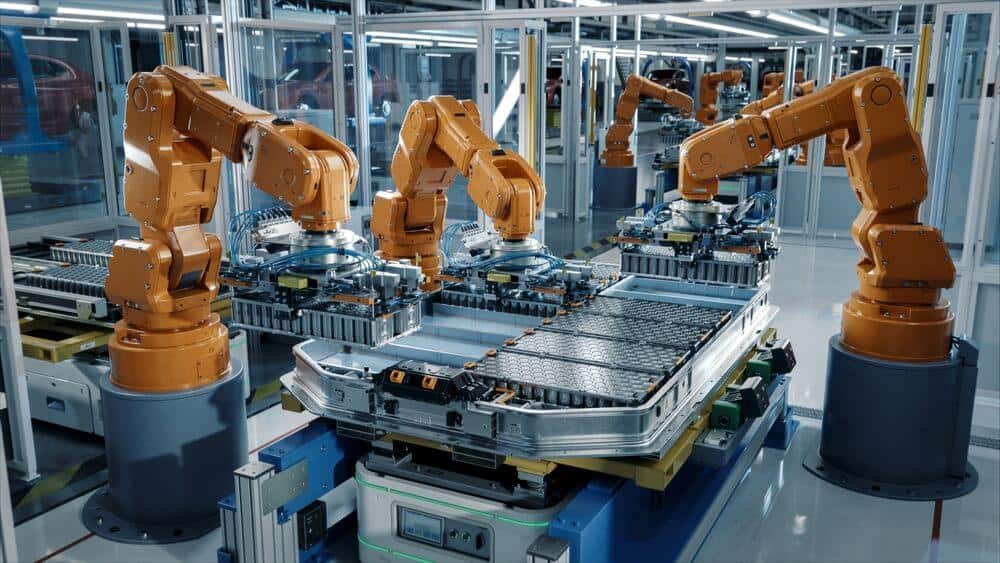
The United Kingdom industrial process automation (IPA) market is poised for significant growth is predicted to reach USD 6.68 billion at a CAGR of 4.4% till 2030., driven by a growing focus on digital transformation, Industry 4.0 adoption, and sustainability. As industries across the UK increasingly seek to enhance productivity, reduce operational costs, and meet environmental regulations, automation technologies such as robotics, artificial intelligence (AI), the Internet of Things (IoT), and machine learning are becoming critical to achieving operational excellence. With manufacturing, energy, food and beverage, and pharmaceuticals industries leading the way, the UK industrial automation market is set to play a central role in the country’s economic recovery and future industrial competitiveness.
Market Overview
The UK industrial process automation market is experiencing an exciting phase of development, underpinned by the accelerating adoption of smart technologies and government policies promoting industrial innovation. Automation, which involves the integration of advanced control systems and digital technologies to streamline industrial processes, is increasingly viewed as a key enabler of greater productivity, cost efficiency, and sustainability. In particular, the rise of AI, robotics, and data analytics is revolutionizing traditional industries, allowing for real-time data collection, process optimization, and improved decision-making.
Try it Risk-Free – Download Your FREE Sample!
As the UK seeks to bolster its manufacturing sector, particularly following the impact of Brexit and the pandemic, automation technologies are helping businesses to stay competitive, enhance resilience, and improve operational agility. The country’s push toward net-zero carbon emissions by 2050 further amplifies the role of automation in supporting sustainable industrial practices, including energy efficiency and waste reduction.
Key Drivers of Market Growth
Industry 4.0 and Digital Transformation
The adoption of Industry 4.0 technologies, which encompasses advanced robotics, AI, big data, cloud computing, and IoT, is driving the industrial process automation market in the UK. By enabling smarter and more flexible manufacturing processes, these technologies help companies reduce downtime, improve productivity, and maintain high-quality standards.
Sectors such as automotive, aerospace, and electronics manufacturing in the UK are early adopters of automation, using AI-driven systems and robotics to improve efficiency, speed, and accuracy. Industry 4.0 is enabling more personalized manufacturing with faster design-to-production cycles, allowing companies to respond quickly to market demands and minimize supply chain disruptions.
Sustainability and Green Manufacturing
Sustainability is a key driver of the UK industrial process automation market, as businesses face increasing pressure to meet government regulations and societal expectations surrounding environmental responsibility. In response, industries are integrating automation technologies to optimize resource management, reduce waste, and lower their carbon footprint.
The UK’s commitment to achieving net-zero emissions by 2050 presents a significant opportunity for automation in sectors like energy, chemicals, and food and beverage. Automation solutions in these industries are enabling improved energy efficiency, real-time monitoring of emissions, and better resource utilization. For example, in the energy sector, automated systems are optimizing the integration of renewable energy sources into the grid, while in manufacturing, automation is reducing energy consumption and enhancing sustainable production practices.
Cost Efficiency and Operational Agility
The UK’s industrial sector is increasingly focused on improving operational efficiency and reducing costs, particularly in the face of rising labor costs and global competition. Automation provides a pathway to achieve these objectives by reducing reliance on manual labor, improving production cycles, and enhancing quality control.
Automation allows businesses to streamline operations, minimize human error, and reduce waste. In industries such as pharmaceuticals and food processing, automated systems help optimize product consistency, increase throughput, and ensure compliance with stringent regulations. This results in reduced operational costs, faster production times, and higher profit margins for companies.
Get the Facts, Click to Read the News
Challenges and Opportunities
Despite the growth potential, there are challenges associated with the adoption of industrial process automation in the UK. The initial capital investment required for automation technologies, as well as the complexity of integrating these systems with legacy equipment, can be barriers for some businesses, particularly small and medium-sized enterprises (SMEs). However, this challenge also presents an opportunity for automation providers to develop cost-effective and scalable solutions tailored to the needs of SMEs.
Furthermore, while automation offers significant operational benefits, there are concerns about job displacement and the need for reskilling the workforce. Addressing these challenges will require collaboration between businesses, government, and education providers to create policies and programs that support the workforce transition to new, high-value roles in an increasingly automated industrial landscape.
Market Outlook
The UK industrial process automation market is expected to continue its upward trajectory, fueled by the increasing adoption of Industry 4.0 technologies, government support for digital transformation, and growing demand for sustainable manufacturing practices. As the country’s industrial base becomes more digitized and energy-efficient, automation will play a central role in driving productivity, operational efficiency, and sustainability.
The UK’s industrial process automation market is well-positioned to capitalize on global trends in digitalization, with key sectors such as manufacturing, energy, food and beverage, and pharmaceuticals driving growth. As UK industries embrace smart technologies to enhance competitiveness, reduce costs, and achieve environmental goals, automation will be at the forefront of this transformation.
