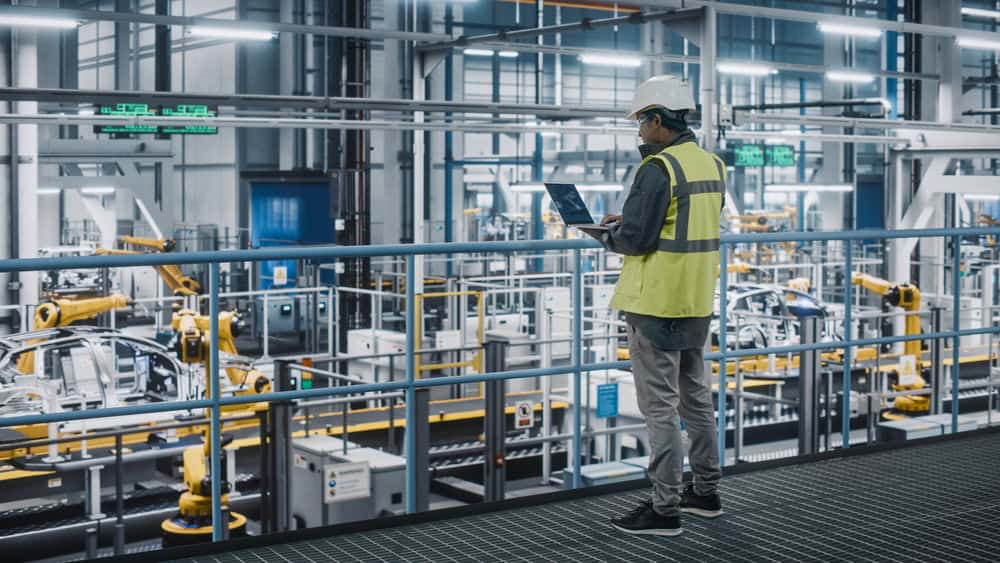
The China Industrial Process Automation Market is undergoing a significant transformation, driven by the increasing adoption of cutting-edge technologies such as robotics, artificial intelligence (AI), and the Internet of Things (IoT). As one of the world’s largest manufacturing hubs, China is leveraging industrial automation to maintain its global competitiveness, enhance operational efficiency, and reduce costs. The government’s proactive support and commitment to digital transformation are expected to further accelerate the market’s growth is predicted to reach USD 18.10 billion at a CAGR of 7.7% till 2030, with strong demand across key industries such as automotive, electronics, chemicals, and textiles.
Market Overview
China Industrial Process Automation Market involves the use of control systems such as computers, robots, and programmable logic controllers (PLCs) to automate complex processes in industries like manufacturing, chemicals, and food production. In China, this technology is increasingly being adopted by companies seeking to improve efficiency, enhance product quality, and achieve cost reductions in production processes.
Start with a FREE Sample – Download Now!
As China continues to position itself as a global leader in advanced manufacturing, the demand for industrial process automation technologies is rapidly increasing. The integration of digital technologies into manufacturing processes is helping businesses streamline operations, reduce human error, and optimize production workflows, while contributing to the country’s ongoing efforts to transition to a more sustainable, high-tech economy.
Key Drivers of Market Growth
Government Support for Smart Manufacturing Initiatives
China’s government is a key driver of industrial automation adoption, with a strong emphasis on the “Made in China 2025” initiative, which aims to modernize the country’s manufacturing sector by encouraging the use of advanced technologies like automation, robotics, and AI. Additionally, the Chinese government has rolled out several policies and funding programs to support the digitalization of the manufacturing industry. The government’s focus on boosting innovation and technological advancements is creating favorable conditions for the growth of industrial process automation.
Through subsidies and financial incentives, the government is encouraging Chinese companies to invest in automation systems to enhance productivity, improve competitiveness, and reduce reliance on manual labor. As China looks to transition from a manufacturing-based economy to an innovation-driven one, industrial automation is seen as a key enabler of this shift.
Rising Labor Costs and Workforce Challenges
Labor costs in China have been steadily increasing over the past decade, particularly in manufacturing-intensive regions. This rising cost of labor is one of the primary drivers for adopting industrial process automation technologies. As Chinese industries face challenges related to labor shortages, especially in low-skilled and repetitive jobs, automation offers a solution by reducing dependency on human labor.
Robotics, AI-driven machines, and automated systems can take over labor-intensive tasks, allowing manufacturers to maintain productivity levels while keeping labor costs under control. Additionally, automation systems in hazardous environments can improve worker safety by reducing the exposure to dangerous conditions.
Advancements in AI, IoT, and Robotics
Technological advancements in AI, IoT, and robotics are playing a major role in accelerating the adoption of industrial process automation in China. IoT-enabled devices provide real-time monitoring and data analytics, helping manufacturers gain insights into their production processes, detect issues, and optimize their operations. AI and machine learning algorithms further enhance these capabilities by enabling predictive maintenance, improving decision-making, and optimizing supply chain management.
The rapid development of collaborative robots (cobots), which can work alongside human operators, is also fueling growth in the automation market. These cobots are designed to improve productivity and flexibility, particularly in industries where human-robot collaboration is critical for maintaining operational efficiency.
Challenges and Opportunities
While the prospects for the industrial process automation market in China are highly promising, challenges remain. The initial cost of implementing automation systems can be a barrier for small and medium-sized enterprises (SMEs). Additionally, there may be challenges related to the integration of new automation technologies with existing legacy systems.
However, as automation technologies become more affordable and accessible, SMEs are expected to increasingly adopt automation solutions. In addition, the growing focus on workforce training and upskilling is helping bridge the skills gap, ensuring that employees are prepared to work with advanced automation systems.
Market Outlook
The industrial process automation market in China is expected to experience significant growth over the next decade. With the increasing adoption of Industry 4.0 technologies, a growing focus on smart manufacturing, and strong government support, the market is poised to expand rapidly. Industries such as automotive, electronics, chemicals, and textiles will continue to lead the way in automation adoption, while new sectors are also expected to join the trend.
As China continues its transformation into a high-tech, innovation-driven economy, the industrial process automation market will play a critical role in driving productivity, improving product quality, and enhancing global competitiveness.
