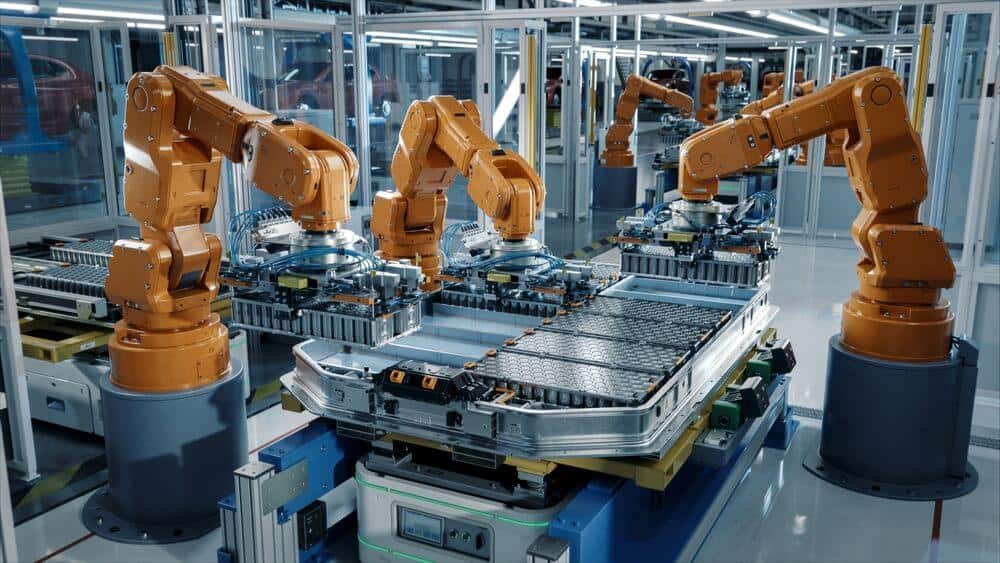
The Indonesia Industrial Process Automation Market is experiencing rapid expansion is predicted to reach USD 697.2 million at a CAGR of 2.8% till 2030, driven by the increasing demand for automation solutions across key sectors, including manufacturing, energy, food and beverage, automotive, and chemicals. As industries seek to boost efficiency, reduce costs, and improve product quality, automation technologies are playing a pivotal role in transforming industrial operations in the country. With the continued push for digitalization and Industry 4.0, Indonesia’s industrial process automation market is set for robust growth in the coming years.
Market Overview
Industrial process automation refers to the use of control systems such as computers, programmable logic controllers (PLCs), and industrial robots to monitor and control industrial processes in factories, production plants, and manufacturing units. As industries in Indonesia focus on improving operational efficiency and reducing manual errors, industrial process automation solutions are becoming increasingly essential for maintaining a competitive edge.
The Indonesia Industrial Process Automation Market is driven by several factors, including a growing manufacturing sector, rising labor costs, a need for higher quality standards, and increased investment in advanced technologies. Automation offers industries the ability to streamline operations, optimize resource utilization, and boost production capacities. As the country continues to industrialize, the demand for automation solutions is expected to rise, especially within industries that require high precision and efficiency.
Download Your Free Sample Today!
Key Drivers of Market Growth
- Government Support for Manufacturing and Industry 4.0 Initiatives
Indonesia’s government has set ambitious goals to modernize its manufacturing sector under initiatives such as “Making Indonesia 4.0,” which aims to transition the country toward Industry 4.0. These initiatives encourage industries to adopt smart manufacturing practices and embrace automation technologies. Government support, including tax incentives, grants, and programs promoting the adoption of digital technologies, is accelerating the transition to automated systems across sectors.
Moreover, the focus on increasing productivity, reducing environmental impact, and ensuring sustainability through automation is helping Indonesia’s industries meet both local and international standards.
- Rising Labor Costs and Skill Shortages
As Indonesia’s labor costs rise, companies are increasingly turning to automation to remain competitive. Labor-intensive industries, such as manufacturing and food processing, are especially impacted by rising wages and labor shortages. Industrial process automation allows companies to reduce dependency on manual labor, thus mitigating the impact of labor cost increases. Automation technologies are also being used to address the growing skill gap in the labor market, with machines handling repetitive or dangerous tasks and allowing workers to focus on higher-value activities.
By automating tasks that were once manual, Indonesian companies are not only improving productivity but also enhancing workplace safety by reducing human involvement in hazardous environments.
- Focus on Operational Efficiency and Cost Reduction
The primary motivation for industries in Indonesia to adopt automation technologies is the need to improve operational efficiency and reduce production costs. Industrial process automation systems help companies streamline workflows, reduce waste, minimize downtime, and ensure more consistent product quality. These benefits are especially important in industries like food and beverage, chemicals, and automotive manufacturing, where consistent quality and precision are critical.
Moreover, automation systems enable companies to monitor their operations in real-time, allowing for better decision-making and the identification of inefficiencies or opportunities for improvement. As a result, businesses can optimize their resource utilization and boost profitability.
- Technological Advancements in Automation Systems
The ongoing advancement of industrial automation technologies, such as artificial intelligence (AI), machine learning, and the Internet of Things (IoT), is playing a crucial role in the growth of the market in Indonesia. AI-driven automation systems enable predictive maintenance, which helps reduce the risk of equipment failure and lowers maintenance costs. IoT-powered systems allow for real-time monitoring and data analysis, enabling businesses to track performance, enhance decision-making, and optimize production.
With the increasing availability of affordable automation solutions, even small and medium-sized enterprises (SMEs) in Indonesia are able to implement these advanced systems to improve operational efficiency.
Challenges and Opportunities
While the industrial process automation market in Indonesia is experiencing rapid growth, companies face challenges such as high initial capital investment and the need for skilled labor to manage and maintain automated systems. Although automation offers significant long-term cost savings, the initial investment in hardware, software, and integration can be a barrier, particularly for small and medium-sized enterprises (SMEs).
However, as automation technologies continue to evolve and become more affordable, these barriers are expected to decrease. Moreover, there are significant opportunities for businesses to upskill their workforce in automation technologies and expand their capabilities to manage increasingly complex systems.
Market Outlook
The industrial process automation market in Indonesia is expected to experience steady growth over the next decade. With the government’s strong support for automation and digitalization, combined with technological advancements and the need for greater operational efficiency, Indonesian industries are well-positioned to adopt and integrate automation technologies across multiple sectors.
The market is projected to see growth in automation adoption not only in large enterprises but also in SMEs, as these businesses begin to recognize the cost benefits and productivity improvements that automation can provide. Additionally, the rise of smart manufacturing, AI, and IoT solutions will continue to propel the demand for advanced automation technologies.
