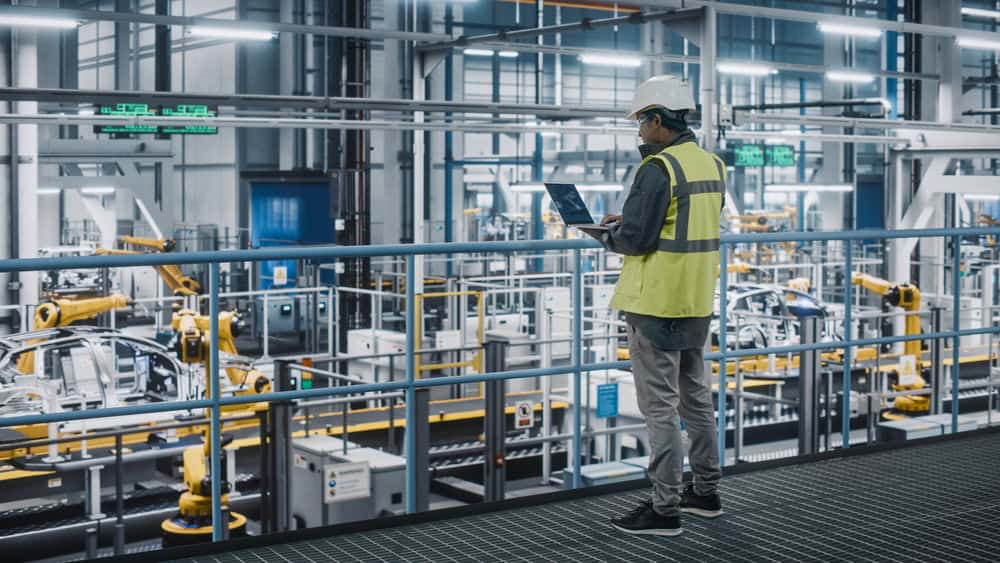
The Japan Industrial Process Automation Market is on a growth trajectory as companies across key sectors increasingly turn is predicted to reach USD 3.49 billion at a CAGR of 10.3% till 2030, automation technologies to improve efficiency, reduce operational costs, and meet the demands of global competition. Japan, known for its innovation and advanced manufacturing capabilities, is rapidly integrating Industry 4.0 technologies such as artificial intelligence (AI), robotics, and the Internet of Things (IoT) into its industrial processes. The demand for industrial process automation solutions in Japan is poised to accelerate in the coming years, driving the growth of the market.
Market Overview
Industrial process automation refers to the use of automated control systems, such as computers, programmable logic controllers (PLCs), and robotics, to monitor and control industrial processes in manufacturing plants, factories, and other industrial settings. Japan Industrial Process Automation Market is experiencing significant expansion, driven by the country’s focus on enhancing productivity, maintaining high-quality standards, and reducing the impact of labor shortages in critical industries.
Experience It for Yourself – Download a FREE Sample!
Japan has long been a global leader in industrial manufacturing, particularly in sectors such as automotive, electronics, chemicals, and food processing. As the demand for greater operational efficiency and smart manufacturing solutions increases, Japanese industries are increasingly turning to automation to stay competitive. The rise of digital transformation, coupled with ongoing government initiatives to modernize industries, is accelerating the adoption of industrial process automation technologies.
Key Drivers of Market Growth
Industry 4.0 and Smart Manufacturing Initiatives
Japan is at the forefront of adopting Industry 4.0 technologies, which involve the integration of advanced digital systems such as AI, robotics, and IoT into manufacturing processes. With Japan’s well-established industrial base, smart manufacturing solutions are transforming traditional production methods by enhancing productivity, flexibility, and real-time decision-making. Automation systems enable manufacturers to monitor operations remotely, predict equipment failures, and optimize production schedules, leading to significant improvements in overall efficiency.
The government’s “Society 5.0” initiative also aims to accelerate the integration of IoT and AI across various sectors, including manufacturing. This push for digital transformation has increased the demand for automation solutions as industries seek to implement smart, data-driven processes that enhance their competitiveness on the global stage.
Aging Workforce and Labor Shortages
Japan’s aging population and shrinking workforce are key challenges for many industries. As labor shortages intensify, businesses are increasingly relying on automation to maintain productivity levels and reduce their dependence on human labor. By automating repetitive and manual tasks, industries can mitigate the risks posed by workforce shortages and ensure continuity in operations.
Automation also plays a critical role in improving workplace safety. By reducing human involvement in hazardous or physically demanding tasks, industrial process automation enhances employee safety while optimizing resource utilization.
Focus on Cost Reduction and Efficiency
As companies in Japan face intense pressure to stay competitive in a globalized economy, industrial process automation provides an effective means of reducing operational costs. Automation systems streamline production processes, minimize downtime, and reduce waste, leading to higher operational efficiency. With automation, companies can improve consistency and quality, reduce energy consumption, and make better use of raw materials.
In industries such as automotive manufacturing, where precision and speed are essential, automation solutions enable manufacturers to boost production capacity while ensuring high-quality standards. Similarly, in the food and beverage industry, automation ensures consistent product quality and meets stringent regulatory standards, while also enhancing the speed of production.
Technological Advancements and Integration of AI & IoT
Technological advancements in automation, including the integration of AI and IoT, are shaping the future of the industrial process automation market in Japan. AI-driven automation systems can analyze large volumes of data in real time, providing valuable insights for predictive maintenance, production optimization, and quality control. IoT-enabled devices enable real-time monitoring of production lines, enabling manufacturers to detect potential issues before they escalate.
Challenges and Opportunities
While the industrial process automation market in Japan offers substantial growth opportunities, companies face challenges such as the high initial cost of automation systems and the need for a skilled workforce to manage and maintain these systems. The implementation of complex automation technologies requires significant upfront investment in hardware, software, and training.
However, as automation technologies become more accessible and scalable, the cost barriers are likely to decrease. Additionally, Japan’s focus on workforce upskilling and retraining will help address the skills gap, ensuring that companies can effectively implement and manage advanced automation solutions.
Market Outlook
The industrial process automation market in Japan is expected to experience steady growth over the next decade, with a strong emphasis on the adoption of smart manufacturing and digital technologies. The integration of AI, IoT, and robotics into manufacturing processes will be key drivers of this growth, as industries increasingly prioritize efficiency, quality, and productivity.
As Japan continues to prioritize digital transformation and automation, the market will see increasing investment from both large enterprises and small-to-medium-sized businesses (SMBs). Automation will become a critical factor in maintaining competitiveness, improving operational performance, and addressing labor shortages in the country’s industrial sectors.
