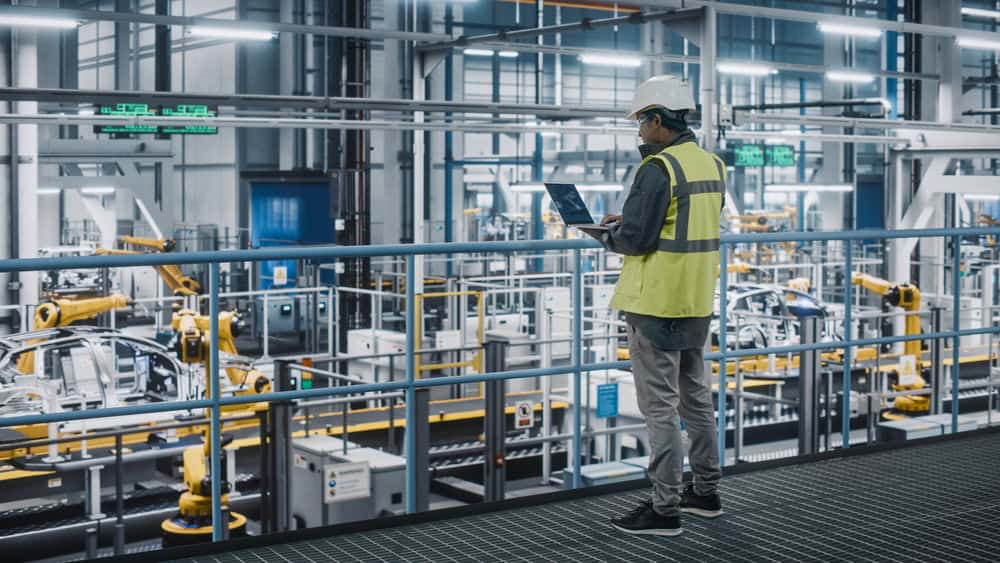
Singapore industrial process automation market is experiencing a remarkable surge, fueled by increasing demand for enhanced operational efficiency, cost reduction, and smarter manufacturing. As one of the leading hubs for innovation and technology in Southeast Asia, Singapore is embracing Industry 4.0 technologies, including robotics, artificial intelligence (AI), and the Internet of Things (IoT), to redefine its industrial landscape. With continued government support and significant investments from both public and private sectors, the market for industrial process automation in Singapore is expected to witness robust growth is predicted to reach USD 681.0 million at a CAGR of 7.9% till 2030.
Market Overview
Industrial process automation refers to the use of control systems such as computers, programmable logic controllers (PLCs), and robots to manage industrial processes in production plants and manufacturing environments. As Singapore positions itself as a global leader in advanced manufacturing, the need for automation technologies has never been greater. Automation allows businesses to optimize production processes, improve product quality, reduce human error, and meet the evolving demands of both domestic and international markets.
The adoption of Singapore industrial process automation market is gaining momentum across key sectors, including semiconductor manufacturing, electronics, chemicals, food and beverage, pharmaceuticals, and logistics. As the country continues to move toward digitalization, the role of automation systems in improving the competitiveness of its industries is becoming increasingly apparent.
Unlock a FREE Sample – Try Before You Buy!
Key Drivers of Market Growth
Government Support for Smart Manufacturing Initiatives
Singapore’s government has been a major driver of digital transformation in the industrial sector. Through initiatives such as the Smart Industry Readiness Index (SIRI) and the Industry Transformation Map (ITM), the government is encouraging businesses to adopt smart manufacturing practices and embrace automation technologies. These initiatives aim to help companies transition to digital operations by promoting the integration of technologies such as AI, IoT, robotics, and data analytics into their processes.
The government’s efforts to foster an innovation-driven ecosystem have made Singapore one of the most attractive regions in Asia for the adoption of industrial automation. The availability of grants, incentives, and funding for research and development (R&D) also supports the growth of the industrial process automation market.
Labor Shortages and Aging Workforce
Singapore, like many developed nations, faces an aging population and labor shortages, which present challenges for its manufacturing sector. The demand for skilled labor in industries such as electronics, pharmaceuticals, and chemicals is growing, but the supply of workers is not keeping pace. Automation technologies offer a solution by reducing reliance on manual labor and mitigating the impact of workforce constraints. Automated systems can handle repetitive tasks, improve operational efficiency, and allow workers to focus on higher-value tasks, thus increasing overall productivity.
In addition, automation helps businesses overcome labor shortages in dangerous or physically demanding jobs, improving worker safety and reducing workplace injuries.
Rising Demand for Higher Product Quality and Consistency
As Singapore’s industries continue to cater to global markets, the demand for higher product quality and consistency has become a critical factor for success. Industrial process automation enables manufacturers to maintain precise control over their operations, ensuring that products meet stringent quality standards while minimizing the risk of defects and errors.
In sectors such as food and beverage, pharmaceuticals, and electronics, where precision and reliability are key, automation systems are essential for ensuring quality control. Automated processes help companies meet regulatory standards, reduce human error, and improve the overall reliability of their products.
Challenges and Opportunities
Despite the promising growth of the industrial process automation market in Singapore, several challenges remain. The high initial cost of implementing automation systems can be a barrier for small and medium-sized enterprises (SMEs). However, as automation technologies continue to evolve and become more affordable, these barriers are expected to diminish. Additionally, companies need to invest in upskilling their workforce to effectively manage and maintain automation systems, which may require significant training and investment.
Despite these challenges, the opportunities in Singapore’s industrial process automation market are vast. As industries continue to embrace digital transformation, the demand for automation solutions will continue to rise. The increasing availability of cloud-based solutions and scalable automation technologies also presents opportunities for SMEs to adopt automation at lower costs.
Market Outlook
The industrial process automation market in Singapore is set for sustained growth over the next decade. As Industry 4.0 technologies continue to evolve and become more accessible, automation will become an even more integral part of Singapore’s industrial landscape. With continued government support, technological advancements, and a growing focus on sustainability, the market for industrial process automation is expected to thrive.
Key industries such as electronics, chemicals, food and beverage, and logistics will continue to lead the way in adopting automation, while new sectors are also expected to join the trend. As businesses strive to remain competitive in an increasingly globalized market, industrial process automation will be a key factor in their success.
