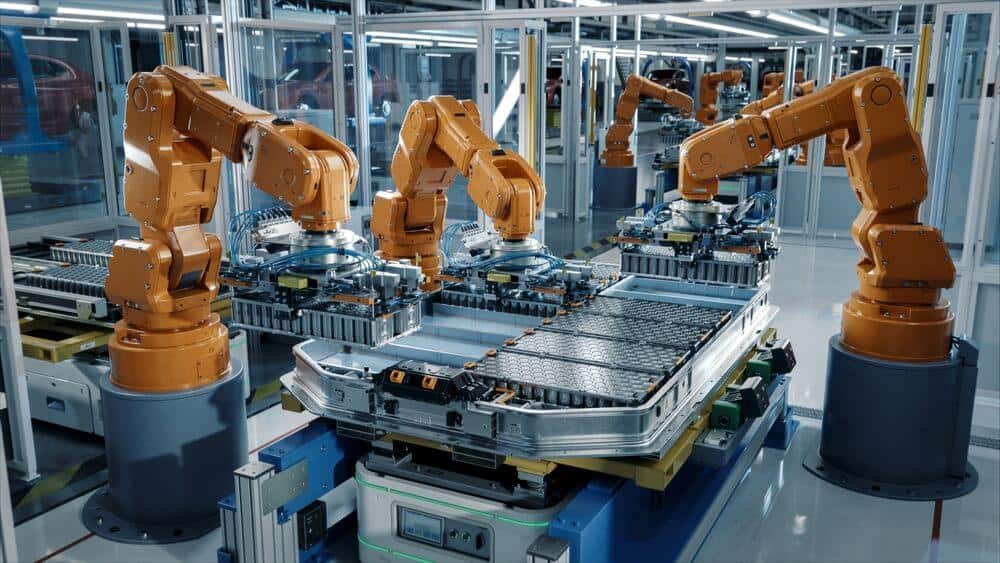
The South Korea Industrial Process Automation Market is on the rise, driven by a surge in demand for greater efficiency, precision, and cost-effectiveness across various manufacturing sectors. South Korea, a global leader in technology and manufacturing, is at the forefront of embracing Industry 4.0 technologies like robotics, artificial intelligence (AI), and the Internet of Things (IoT) to revolutionize its industrial landscape. With robust government support, a tech-savvy workforce, and significant investments from key industries, the market for industrial process automation in South Korea is expected to s predicted to reach USD 1.80 billion at a CAGR of 8.1% till 2030.
Market Overview
South Korea Industrial Process Automation Market refers to the use of control systems such as computers, robotics, and programmable logic controllers (PLCs) to automate complex industrial processes in manufacturing plants and other industrial settings. In South Korea, automation technologies are increasingly being adopted to optimize production, enhance product quality, and reduce costs. As a country known for its strong manufacturing base, particularly in electronics, automotive, petrochemical, and shipbuilding industries, South Korea is strategically incorporating automation to remain competitive on the global stage.
Claim Your FREE Sample and See the Difference!
The increasing demand for smart manufacturing solutions, combined with the nation’s drive toward digital transformation, is pushing the boundaries of what automation can achieve. With South Korea’s strong commitment to technological innovation, the industrial process automation market is set to continue its rapid growth.
Key Drivers of Market Growth
Industry 4.0 Adoption and Smart Manufacturing
South Korea is leading the charge in adopting Industry 4.0 technologies. Industry 4.0, which integrates IoT, AI, big data, and advanced robotics into industrial operations, is reshaping how manufacturers approach production and operations. Automation plays a crucial role in this transformation, allowing industries to collect and analyze real-time data, optimize workflows, and improve decision-making processes.
The South Korean government has strongly supported the shift toward smart manufacturing through initiatives such as the Smart Factory Initiative. This program aims to support the adoption of advanced technologies and encourage the digital transformation of the manufacturing sector. As a result, companies across industries such as automotive, electronics, chemicals, and steel are increasingly investing in automation to streamline production, reduce costs, and maintain high-quality standards.
Labor Shortages and Demographic Shifts
Like many other advanced economies, South Korea faces the challenge of an aging population and a shrinking workforce. The country’s labor shortages, particularly in manufacturing and factory jobs, are driving companies to seek automation solutions to maintain productivity. Automation helps reduce reliance on human labor and allows businesses to continue operations with fewer workers.
In addition, automation technologies such as collaborative robots (cobots) are designed to work alongside human workers, increasing productivity without fully replacing the workforce. This not only mitigates labor shortages but also enhances workplace safety by handling dangerous or repetitive tasks.
Cost Reduction and Operational Efficiency
South Korean industries are under pressure to stay competitive and reduce production costs in a highly globalized market. Industrial process automation offers significant advantages in terms of operational efficiency and cost reduction. Automation systems allow for the optimization of production processes, reducing energy consumption, minimizing waste, and maximizing output. This leads to a more streamlined operation and the ability to meet production targets while maintaining high standards of quality.
In sectors such as automotive manufacturing, where precision and speed are critical, industrial automation plays a vital role in ensuring the efficiency and consistency of production. Additionally, automation solutions in industries like electronics and chemicals help maintain tight production schedules and meet stringent regulatory requirements.
Challenges and Opportunities
Despite the promising growth prospects, South Korea’s industrial process automation market faces several challenges. The high upfront costs of implementing automation systems may be a barrier, particularly for small and medium-sized enterprises (SMEs). Additionally, businesses may face challenges in integrating automation technologies with existing legacy systems.
However, as automation technologies become more cost-effective and scalable, these barriers are expected to diminish. South Korea’s focus on workforce upskilling and up-to-date training programs ensures that businesses can adopt new technologies with minimal disruption. The government’s initiatives to support digital transformation in manufacturing also create significant opportunities for businesses to modernize their operations.
The expanding market for robotics, AI, and IoT in South Korea’s industrial process automation sector presents numerous opportunities for both local and international players in the automation technology space. As demand for smart factories grows, companies that offer innovative and scalable automation solutions stand to benefit from the rapid digitalization of South Korea’s industrial sectors.
Market Outlook
The industrial process automation market in South Korea is expected to grow at a strong pace over the next decade, fueled by continued technological advancements, Industry 4.0 adoption, and government support. The country’s manufacturing sector, which is already among the most advanced in the world, will continue to benefit from the efficiency and precision provided by automation solutions.
As industries embrace smarter, more efficient production systems, the demand for industrial automation technologies is expected to rise across automotive, electronics, chemicals, pharmaceuticals, and beyond. South Korea’s position as a technological leader and innovation hub will ensure its place at the forefront of global industrial automation.
