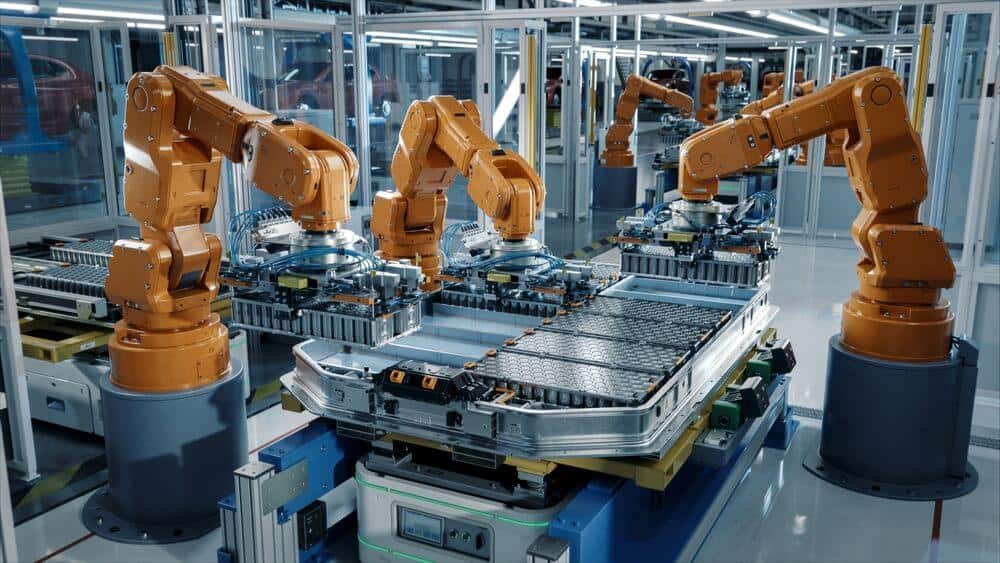
The Middle East Industrial Process Automation Market is on the brink of rapid growth is predicted to reach USD 5.51 billion at a CAGR of 6.3% till 2030, propelled by ongoing economic diversification, technological advancements, and an increasing emphasis on sustainability and efficiency across key industries. As the region’s industrial sector continues to evolve, automation technologies are becoming an integral part of enhancing operational performance, reducing costs, and driving competitiveness. With significant investments in infrastructure, energy, and manufacturing sectors, the Middle East’s industrial process automation market is poised to expand in the coming years, offering a host of opportunities for both local businesses and global players.
Market Overview
Middle East Industrial Process Automation Market refers to the use of control systems like computers, robots, and programmable logic controllers (PLCs) to operate industrial processes in various industries, including oil & gas, petrochemicals, manufacturing, and food & beverages. Automation helps companies optimize production efficiency, reduce human error, improve quality control, and lower operational costs.
See What You’re Missing – Download a FREE Sample Now!
The Middle East, known for its vast energy resources and a strong industrial base, is increasingly adopting automation to modernize its manufacturing and production processes. As part of its economic diversification efforts, the region is shifting away from heavy reliance on oil and gas revenues, with countries such as the UAE, Saudi Arabia, and Qatar investing heavily in technology-driven solutions for manufacturing, logistics, and energy sectors. This shift has opened up new avenues for the industrial process automation market, driving demand for advanced automation systems that enhance productivity, efficiency, and sustainability.
Key Drivers of Market Growth
Economic Diversification and Industrial Development
The Middle East’s commitment to economic diversification is a key driver of the industrial process automation market. The region’s vision for the future involves a shift towards non-oil sectors such as manufacturing, smart cities, and renewable energy, as outlined in various national development plans like Saudi Arabia’s Vision 2030 and the UAE’s Vision 2021. These plans place a strong emphasis on boosting industrial output, improving production quality, and reducing costs—all of which can be achieved through automation.
As Middle Eastern countries develop more advanced manufacturing capabilities, automation will play a crucial role in modernizing production lines, improving process control, and integrating digital technologies across industries such as automotive, chemicals, food and beverages, and construction materials.
Technological Advancements in Robotics and AI
The rapid advancement of automation technologies such as robotics, artificial intelligence (AI), and the Internet of Things (IoT) is reshaping the industrial process automation landscape in the Middle East. Robotics is increasingly deployed across industries to handle repetitive tasks, reduce human error, and improve operational efficiency, particularly in sectors like automotive manufacturing and logistics.
AI-powered automation systems are revolutionizing production lines by enabling predictive maintenance, optimizing supply chains, and enhancing real-time decision-making. The integration of IoT technology allows for more efficient monitoring and control of industrial processes, further boosting the region’s industrial automation capabilities.
These technological innovations are making automation more accessible and scalable for companies across the Middle East, driving increased demand for advanced automation solutions in diverse industries.
Growing Focus on Sustainability and Energy Efficiency
Sustainability is a key focus for Middle Eastern countries as they work to reduce carbon emissions and improve environmental impact across industries. Industrial process automation supports sustainability efforts by optimizing energy consumption, minimizing waste, and improving resource utilization. Automation enables real-time monitoring of production processes, allowing companies to make adjustments that reduce energy consumption and enhance overall operational efficiency.
Additionally, with the increasing global demand for sustainable products, automation plays a vital role in ensuring that Middle Eastern manufacturers can meet international standards and remain competitive in global markets. The focus on sustainability is especially prominent in energy-intensive industries such as oil & gas and petrochemicals, where automation solutions can help reduce energy waste and improve operational performance.
Challenges and Opportunities
While the Middle East’s industrial process automation market holds tremendous potential, there are several challenges that need to be addressed. The high initial cost of implementing automation systems can be a barrier, particularly for small and medium-sized enterprises (SMEs) in the region. However, as automation technologies become more affordable and accessible, the market is expected to see increased adoption among SMEs.
Another challenge is the availability of skilled labor to operate and maintain advanced automation systems. There is a growing need for training and workforce development to ensure that the region’s workforce has the necessary technical expertise to support automation technologies.
Market Outlook
The industrial process automation market in the Middle East is expected to continue its rapid growth in the coming years. Key industries such as oil & gas, petrochemicals, manufacturing, automotive, and food & beverages will drive the adoption of automation technologies, supported by advancements in AI, robotics, and IoT.
As governments and businesses in the region focus on industrial modernization, digital transformation, and sustainability, the market for industrial process automation will continue to expand, creating new opportunities for both local players and global automation providers.
