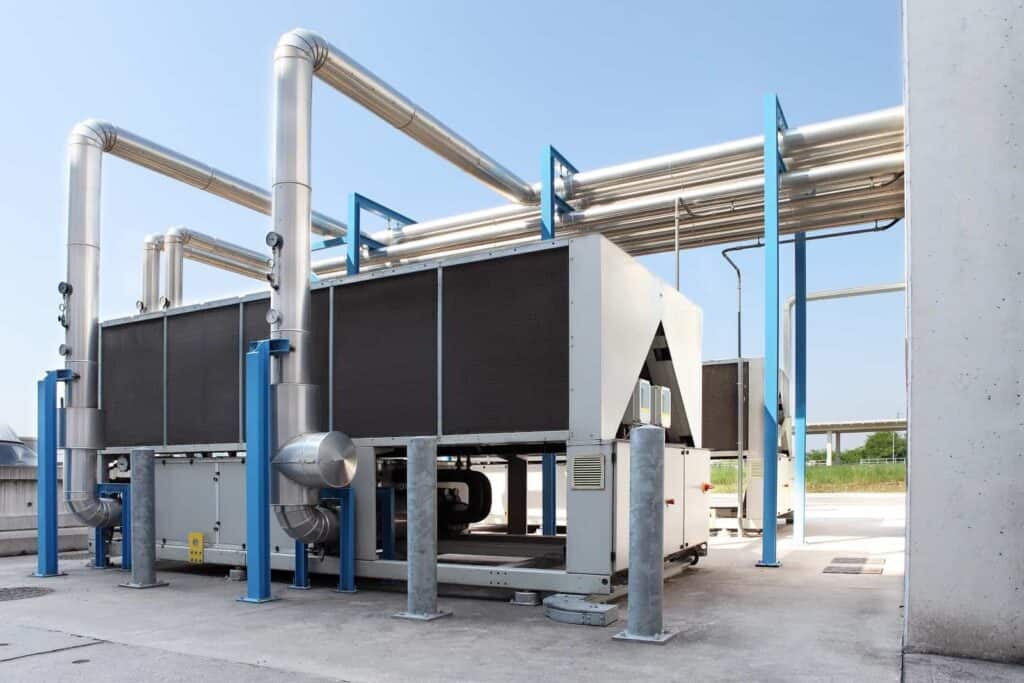
The air handling unit (AHU) market in Finland is experiencing significant expansion, driven by the country’s commitment to sustainability, energy efficiency, and technological innovation. As Finland continues to focus on reducing carbon emissions and improving indoor air quality (IAQ) in both residential and commercial buildings, AHUs are becoming an integral part of modern HVAC systems. These systems, which regulate and condition air in buildings, are essential for enhancing energy efficiency and ensuring healthy indoor environments. With a growing emphasis on smart technology and green building practices, the Finland AHU market is expected to see continued growth in the coming years.
Market Overview
The Finland Air Handling Unit (AHU) Market is predicted to reach USD 58.2 million at a CAGR of 4.5% by 2030. Air handling units (AHUs) are critical components of heating, ventilation, and air conditioning (HVAC) systems, playing a vital role in regulating airflow, temperature, and humidity within buildings. They are essential for maintaining optimal indoor air quality, comfort, and energy efficiency. As Finland works toward its ambitious goal of achieving carbon neutrality by 2035, the demand for energy-efficient and sustainable HVAC solutions, including AHUs, is rising.
Unlock a FREE Sample – Try Before You Buy!
This growth is primarily driven by increasing demand for energy-efficient solutions, urbanization, and the rising adoption of smart building technologies across various sectors, including residential, commercial, and industrial.
Key Market Trends
- Sustainability and Energy Efficiency: Finland has long been a leader in sustainability and environmental responsibility, with a strong focus on reducing energy consumption in the built environment. Energy-efficient AHUs, which utilize features like heat recovery, energy-efficient motors, and variable air volume (VAV) systems, are increasingly in demand. These systems not only reduce a building’s carbon footprint but also lower operational costs. As part of Finland’s commitment to achieving carbon neutrality, building owners and developers are turning to energy-efficient AHUs to comply with stricter environmental regulations and green building standards.
Don’t Miss This Important Update
- Smart and IoT-Enabled AHUs: The integration of Internet of Things (IoT) technology into AHUs is revolutionizing the HVAC industry in Finland. Smart AHUs enable building managers to monitor and control air quality, temperature, and energy use in real time. These systems can adjust ventilation levels based on occupancy, air quality sensors, or weather conditions, optimizing energy consumption while improving comfort for building occupants. Additionally, predictive maintenance features in IoT-enabled AHUs help identify potential issues before they become critical, reducing downtime and maintenance costs. The increasing adoption of smart building technologies in cities like Helsinki, Tampere, and Espoo is driving the demand for IoT-integrated AHUs.
- Focus on Indoor Air Quality (IAQ): AHUs equipped with advanced filtration technologies, such as HEPA filters and UV-C lamps, are increasingly being installed in both commercial and residential buildings to reduce airborne pollutants and pathogens. This growing focus on IAQ is expected to continue, with building owners prioritizing AHUs that improve air quality and contribute to healthier indoor environments.
- Green Building Certifications: Finland’s commitment to sustainable construction is reflected in its widespread adoption of green building certifications such as LEED (Leadership in Energy and Environmental Design) and BREEAM (Building Research Establishment Environmental Assessment Method). These certifications require building systems, including HVAC and AHUs, to meet stringent energy performance and environmental standards. As the demand for green buildings increases, so too does the need for AHUs that are energy-efficient and meet the requirements of these certifications. This trend is particularly evident in new construction projects in urban areas, where the integration of AHUs that align with green building standards is essential.
- Retrofitting and Modernization: Finland has an aging building stock, and there is an increasing demand for retrofitting and upgrading existing HVAC systems, including AHUs, to meet new energy efficiency standards and improve IAQ. Retrofitting older AHUs with modern, energy-efficient systems can result in significant cost savings, improved performance, and enhanced air quality. This trend is particularly prevalent in the commercial and industrial sectors, where outdated HVAC systems are being replaced with more efficient, eco-friendly alternatives.
Market Segmentation
The Finland AHU market can be segmented by product type, application, and region:
- Product Type:
- Modular AHUs: Modular AHUs are highly customizable and scalable, making them ideal for large commercial, industrial, and institutional buildings. These systems are designed to meet the specific needs of high-traffic buildings and can be easily adjusted to accommodate changes in building size or usage.
- Packaged AHUs: Packaged AHUs are compact, pre-assembled units that are typically used in smaller buildings or retrofit projects. These units are cost-effective and easy to install, making them a popular choice for residential and small commercial buildings.
- Application:
- Commercial: The commercial sector is a major driver of AHU demand in Finland. Offices, shopping centers, and hospitality venues require high-performance HVAC systems that can provide optimal comfort and energy efficiency while maintaining good indoor air quality. As more buildings are constructed with sustainability in mind, demand for AHUs that meet energy efficiency standards is increasing.
- Industrial: Industrial facilities, including factories, warehouses, and cleanrooms, require specialized AHUs that can handle high ventilation loads and provide precise environmental control. These systems are crucial for ensuring worker safety and compliance with industry regulations.
- Residential: The demand for AHUs in residential buildings is also on the rise, particularly in new, energy-efficient homes and apartment buildings. Increasing concerns about IAQ and energy efficiency are prompting homeowners and developers to invest in advanced air handling solutions.
- Regional Distribution:
- Helsinki Metropolitan Area: The Helsinki region, being the economic and population hub of Finland, represents the largest market for AHUs. High-rise residential and commercial buildings, as well as the growing focus on smart and sustainable infrastructure, drive demand for advanced air handling systems.
- Other Regions: Other urban centers like Tampere, Turku, and Oulu are also contributing to the growth of the AHU market, with increased construction activity and a focus on energy-efficient and green building solutions.
Future Outlook
The Finland AHU market is poised for continued growth, driven by the country’s focus on sustainability, energy efficiency, and innovation in smart building technologies. As urbanization accelerates and green building standards become more stringent, the demand for advanced, energy-efficient AHUs will continue to rise. Moreover, the growing emphasis on indoor air quality and occupant health will further fuel the market’s expansion.
As Finland works towards its ambitious climate goals, the need for AHUs that reduce energy consumption and support sustainable building practices will remain strong. Manufacturers and service providers that can offer innovative, energy-efficient, and smart air handling solutions will be well-positioned to capitalize on the opportunities in the Finnish market.
Conclusion
The AHU market in Finland is evolving rapidly, driven by sustainability, energy efficiency, and technological advancements. As the demand for high-performance HVAC systems continues to grow, AHUs will play a critical role in improving indoor air quality, reducing energy consumption, and supporting Finland’s ambitious carbon neutrality goals. With the integration of smart technology and the increasing focus on green building standards, the Finland AHU market is set for a promising future.
