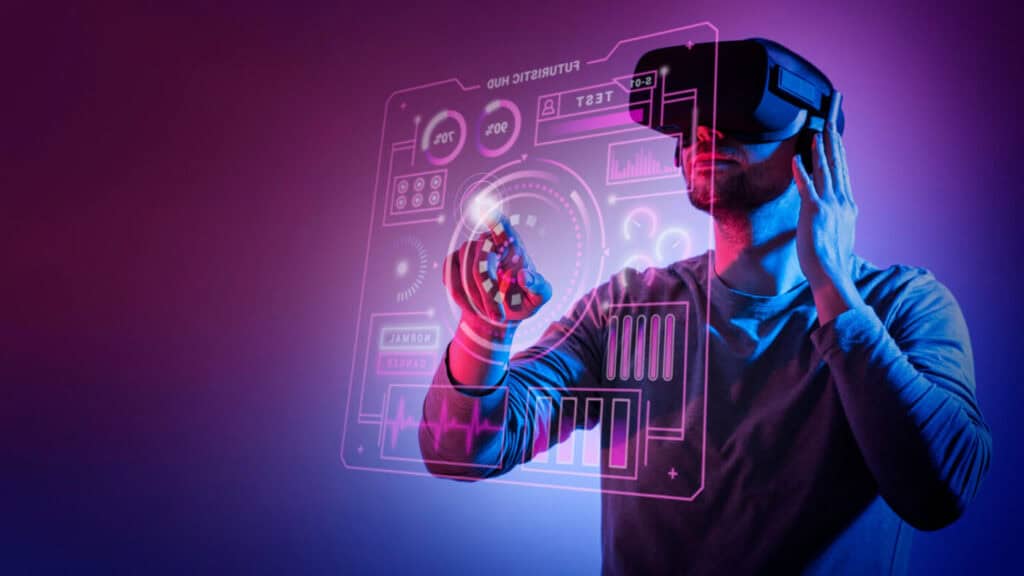
The global Virtual Reality (VR) market is entering a period of rapid expansion is predicted to reach USD 192.99 billion with a CAGR of 26.8% till 2030, driven by increasing demand for immersive digital experiences across a wide range of industries. From gaming and entertainment to education, healthcare, and real estate, VR technology is reshaping how we interact with the world, offering users an unparalleled level of immersion. As advancements in hardware, software, and content development continue to evolve, the VR market is expected to experience significant growth in the coming years.
Market Overview
The global VR market is experiencing considerable traction, particularly within the entertainment, gaming, and training sectors. The market is divided into several segments based on component type, application, and end-user industry. Key hardware components include VR headsets, sensors, input devices, and display systems, while software includes VR content and applications, ranging from gaming and simulations to business training modules.
Explore the Benefits with a FREE Sample!
Some key applications driving the growth of the VR market include:
- Gaming and Entertainment: The gaming industry remains the largest contributor to the VR market, with consumers increasingly adopting VR for more immersive gameplay experiences. VR gaming has gained significant traction due to advancements in gaming consoles, VR headsets, and the growing availability of VR-compatible content. In addition to gaming, VR is also making waves in immersive cinema, virtual concerts, and interactive storytelling.
- Healthcare: VR technology is revolutionizing healthcare by enhancing medical training, treatment planning, and patient care. Surgeons are using VR simulations for training, allowing them to practice complex procedures in a risk-free environment. Additionally, VR is being used in pain management, mental health treatments, and rehabilitation therapies, providing patients with alternative therapeutic methods for pain relief and emotional support.
- Education and Training: The demand for virtual reality in education is growing rapidly as schools and universities embrace VR to create more engaging, interactive learning experiences. VR allows students to virtually visit historical sites, explore space, or conduct science experiments, all from the comfort of the classroom. In the corporate sector, companies are adopting VR-based training programs to enhance employee skills in areas such as manufacturing, aviation, and safety protocols.
- Retail and Real Estate: VR is transforming the retail and real estate sectors by providing virtual showrooms, product demos, and property tours. Retailers use VR to create immersive shopping experiences, allowing customers to try out products in virtual environments before making a purchase. In real estate, VR enables potential buyers to explore properties remotely, helping them make informed decisions without physically visiting locations.
Key Drivers of Market Growth
- Advancements in VR Hardware
Recent technological advancements in VR hardware, such as lighter and more comfortable headsets, improved sensors, and higher-resolution displays, are significantly improving the user experience and fueling market growth. The introduction of standalone VR headsets, which do not require a computer or console to operate, has made the technology more accessible to consumers, further driving adoption. - Increased Demand for Immersive Experiences
Consumers are increasingly seeking more immersive and engaging experiences in various entertainment and leisure activities. VR technology offers the level of interactivity and realism that traditional media cannot match, leading to greater demand for VR-based games, experiences, and applications across different sectors. - Cost Reduction and Accessibility
As VR technology becomes more affordable and accessible, adoption is growing across various industries. In particular, falling hardware prices are making VR more appealing to small- and medium-sized enterprises (SMEs), which are increasingly investing in VR for training, marketing, and design purposes. Consumer AR and VR headsets, such as those from Meta (formerly Oculus) and Sony PlayStation VR, are also becoming more budget-friendly, opening the market to a wider audience.
Click Here for Your FREE Sample!
Challenges and Opportunities
While the VR market is poised for growth, there are challenges that could hinder widespread adoption. One of the key obstacles is motion sickness and discomfort, which can result from prolonged use of VR headsets. Addressing these challenges requires further innovation in hardware design and content optimization to ensure a seamless, comfortable experience for users.
Additionally, the development of compelling and engaging content is crucial to the continued success of the VR market. While there is a growing library of VR content available, there is still a need for more high-quality applications across industries beyond entertainment, including education, healthcare, and corporate training.
However, these challenges present opportunities for innovation. VR companies are investing heavily in improving hardware ergonomics, reducing latency, and expanding content libraries. Furthermore, as businesses increasingly explore the potential of VR in areas like remote work, virtual events, and interactive marketing, the market is expected to see continued growth and diversification.
Market Outlook
The global VR market is expected to continue its rapid growth over the next decade, driven by technological advancements, expanding applications, and growing consumer demand for immersive digital experiences. As VR becomes more integrated into industries like gaming, education, healthcare, and real estate, its potential to transform the way we work, learn, and interact will be fully realized.
For businesses looking to stay ahead in this dynamic market, investing in VR technology and content development will be key to unlocking new opportunities and driving innovation across industries.
