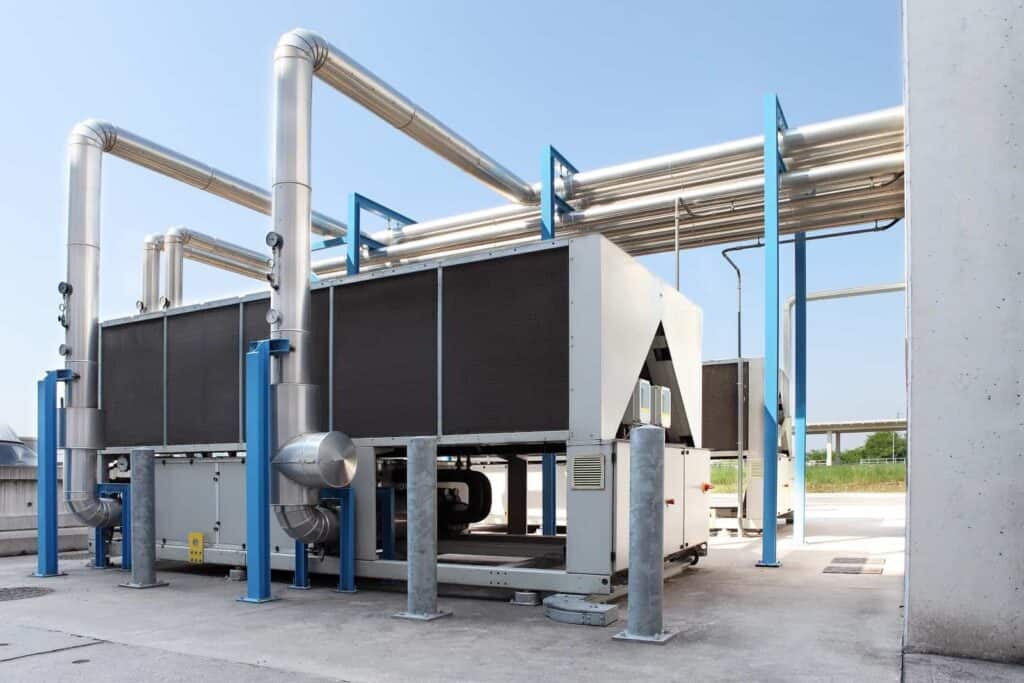
The air handling unit (AHU) market in Italy is experiencing significant growth, driven by the increasing demand for energy-efficient systems, the rise in environmental sustainability practices, and a heightened focus on indoor air quality (IAQ). As Italy transitions towards more sustainable building practices, AHUs are becoming integral components in the country’s commercial, industrial, and residential sectors. Technological advancements, government regulations, and a growing demand for healthier indoor environments are expected to further propel the market in the coming years.
Market Overview
The Italy Air Handling Unit (AHU) Market is predicted to reach USD 360.2 million, at a CAGR of 3.8% by 2030. Air handling units are essential elements of HVAC (heating, ventilation, and air conditioning) systems used to regulate and circulate air within buildings. AHUs perform critical functions such as controlling temperature, ensuring ventilation, and maintaining air quality, all of which contribute to a comfortable and healthy indoor environment. With Italy’s evolving energy efficiency and sustainability goals, AHUs are also being upgraded with advanced features that align with stricter environmental regulations.
Key Market Trends
- Sustainability and Energy Efficiency: Italy’s national goal of achieving carbon neutrality by 2050 and adhering to EU directives such as the Energy Performance of Buildings Directive (EPBD) is a key driver for the AHU market. Energy-efficient solutions that reduce carbon emissions and lower operational costs are in high demand. AHUs with heat recovery systems, variable air volume (VAV) control, and energy-efficient motors are gaining traction as they meet the strict regulatory standards. These units help reduce both energy consumption and the overall carbon footprint of buildings.
- Smart AHUs and IoT Integration: The rise of smart building technologies is pushing the demand for IoT-enabled AHUs. These systems allow for real-time monitoring, remote control, and predictive maintenance. IoT integration enables optimal energy management by adjusting airflow, temperature, and humidity levels based on real-time data. This reduces energy waste, improves system efficiency, and provides better control over IAQ. The Italian market, particularly in metropolitan cities like Milan and Rome, is increasingly adopting smart AHUs as part of broader building automation strategies.
- Indoor Air Quality (IAQ) and Health Focus: In response, AHUs with advanced filtration systems—such as HEPA filters, UV-C light disinfection, and air purifiers—are in high demand. The Italian healthcare, hospitality, and office sectors are particularly focused on improving IAQ to safeguard occupant health and comfort. These advanced systems help reduce the presence of airborne pathogens, allergens, and pollutants, contributing to a healthier indoor environment.
- Retrofitting and Renovations: Italy’s aging building stock is fueling demand for the retrofitting of existing HVAC systems. Retrofitting older systems with modern AHUs not only improves energy efficiency but also helps buildings comply with new energy regulations. As a significant portion of Italy’s building stock is older and inefficient, the retrofitting market presents a considerable opportunity for AHU manufacturers. This trend is particularly evident in historical buildings that are being renovated to meet modern energy standards while preserving their architectural integrity.
- Regulatory Compliance and Incentives: Italy is increasingly introducing policies to promote energy efficiency and sustainability, including the “Green Deal” and incentives for energy-efficient renovations. These regulatory changes are encouraging businesses and homeowners to invest in AHUs that meet the stringent energy performance standards set by the Italian government and the EU. Tax credits, energy efficiency bonuses, and subsidies are boosting the adoption of high-performance AHUs across various sectors.
Market Segmentation
The Italy AHU market is segmented by product type, application, and region:
Click to Uncover the Full News
- Product Type:
- Modular AHUs: These flexible systems are designed for larger commercial and industrial applications. Modular AHUs offer customization options and scalability to meet specific ventilation and air quality requirements in complex facilities.
- Packaged AHUs: Compact, pre-assembled, and easy to install, packaged AHUs are ideal for smaller commercial buildings and residential units. Their versatility and cost-effectiveness make them a popular choice for medium-sized projects.
- Application:
- Commercial: The commercial sector, including offices, shopping malls, and healthcare facilities, represents a major share of the market. With growing awareness of energy efficiency and IAQ, these buildings are increasingly outfitting their spaces with high-performing AHUs to meet regulations and enhance occupant comfort.
- Industrial: Industrial facilities such as factories, warehouses, and laboratories require large-scale AHUs that can manage high volumes of air and maintain specific environmental controls. These systems are designed to handle the demanding needs of industrial applications.
- Residential: Although a smaller segment, the demand for AHUs in the residential sector is on the rise. The trend toward energy-efficient, sustainable living is driving new residential developments and the retrofit of existing homes with AHUs that provide optimal climate control and IAQ.
- Regional Distribution:
- Northern Italy: Regions like Lombardy and Veneto, home to major industrial and commercial hubs, are leading the demand for AHUs. As Italy’s economic heart, these regions are experiencing a boom in energy-efficient construction projects, making them key drivers of market growth.
- Southern Italy: While demand is smaller in Southern Italy, growing urbanization and a focus on energy-efficient buildings are driving interest in AHUs in cities like Naples and Palermo.
Future Outlook
The future of the Italy AHU market looks promising, with several key opportunities emerging. Technological advancements in energy recovery systems, air filtration, and automation will continue to drive growth. The increasing integration of renewable energy sources, such as solar and geothermal energy, with AHUs will help meet Italy’s ambitious sustainability goals. Additionally, the continued retrofitting of old buildings to meet modern energy standards presents a substantial opportunity for AHU manufacturers.
As Italy moves toward a greener, more energy-efficient future, AHUs will play a crucial role in achieving the country’s climate and energy goals. The shift to smart buildings, combined with growing concerns about IAQ, will ensure continued demand for innovative, high-performance AHUs.
Conclusion
The air handling unit market in Italy is on an upward trajectory, driven by regulatory changes, advancements in technology, and a rising demand for energy-efficient and health-conscious building solutions. With a focus on sustainability, energy efficiency, and improving indoor air quality, the AHU market offers significant opportunities for manufacturers and suppliers who can innovate to meet evolving customer demands.
