The global Injection Molding Machine Market is experiencing robust growth, driven by the increasing demand for high-quality, precise, and cost-efficient manufacturing processes across industries. With a projected market size is expected to reach USD 17.22 billion with a CAGR of 3.7% till 2030, injection molding technology continues to be a key enabler of innovation in sectors like automotive, electronics, consumer goods, and healthcare.
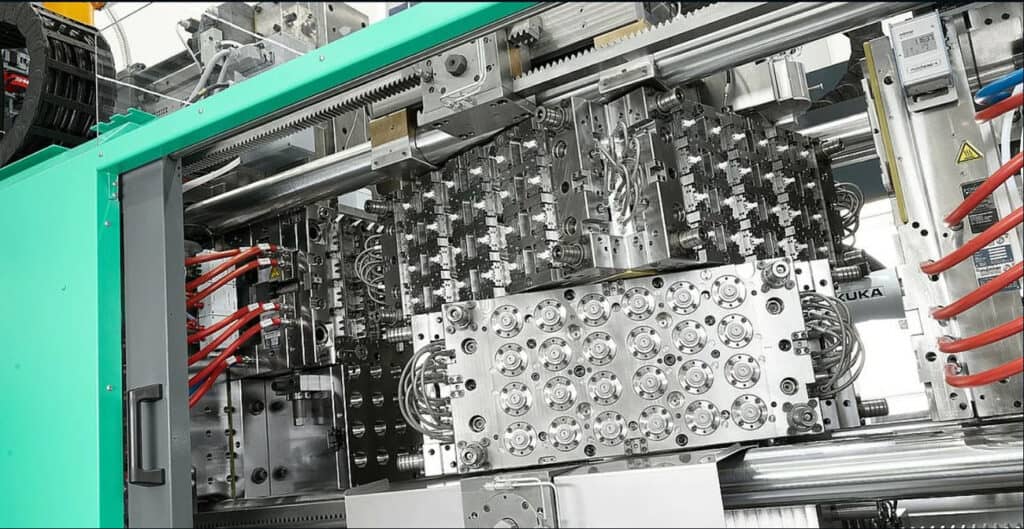
Injection molding machines are critical in producing plastic parts and components by injecting molten material into molds. These machines are known for their versatility, efficiency, and ability to produce complex designs at scale, making them indispensable in modern manufacturing operations. With the ongoing advancements in automation, smart manufacturing technologies, and sustainability practices, the injection molding machine market is set to expand further.
Market Overview
Injection molding machines market are widely used to produce a vast range of plastic products, from simple consumer goods to intricate automotive parts and medical devices. The machines come in various types, such as hydraulic, electric, and hybrid models, each designed to cater to specific production needs. The increasing trend of customizations, innovations in mold designs, and demand for high-quality production are pushing manufacturers to adopt advanced injection molding technologies.
Unlock a FREE Sample – Try Before You Buy!
The key industries driving the demand for injection molding machines include:
- Automotive: The automotive industry is one of the largest consumers of injection molding machines. The demand for lightweight, durable, and high-performance plastic components in vehicles, such as dashboards, bumpers, and engine parts, is fueling the growth of the market. Injection molding technology plays a crucial role in producing high-precision, cost-effective automotive components.
- Consumer Goods and Packaging: Consumer goods manufacturers are increasingly relying on injection molding machines to produce a variety of plastic products, from household appliances to personal care items. Additionally, the growing need for sustainable packaging solutions is promoting the adoption of recyclable plastic materials, further boosting the market for injection molding machines in the packaging sector.
- Electronics and Electrical: The electronics industry, with its demand for precision plastic parts for components such as casings, connectors, and housings, is one of the primary sectors driving the adoption of injection molding machines. As electronics become smaller and more complex, the need for high-precision molding equipment continues to rise.
- Healthcare and Medical Devices: Injection molding plays a critical role in the healthcare sector, particularly in the production of medical devices, syringes, and drug delivery systems. The need for high-quality, biocompatible materials in medical products is propelling demand for more advanced and accurate injection molding machines.
Key Market Drivers
- Technological Advancements
Recent technological advancements in injection molding machines have led to greater efficiency, precision, and customization options. The development of electric and hybrid machines, which provide energy efficiency, faster cycle times, and enhanced precision, has played a crucial role in transforming manufacturing processes. Additionally, advancements in automation, such as robotic systems integrated with molding machines, are streamlining operations and improving productivity. - Rising Demand for Lightweight and Durable Products
The increasing demand for lightweight yet durable products, particularly in the automotive and electronics sectors, is driving the demand for injection-molded plastic components. As industries strive to reduce the weight of their products without compromising on quality and strength, injection molding machines are emerging as the preferred choice for producing complex parts with exceptional material properties. - Sustainability and Recycling
The push for sustainability in manufacturing is contributing to the rise of injection molding machines that utilize recycled plastics and bioplastics. These machines help reduce material waste and energy consumption, meeting the growing demand for eco-friendly production methods. Additionally, the development of machines capable of working with a wide variety of recycled materials is helping companies align with global sustainability goals.
Challenges and Opportunities
While the injection molding machine market presents substantial growth opportunities, it also faces several challenges. The high capital investment required for advanced machines and the complex maintenance needs of high-precision systems can be barriers for small- and medium-sized manufacturers. However, as technology advances and costs decline, more businesses will be able to adopt these machines, especially as demand for high-volume production and customization grows.
Moreover, the rise of 3D printing technologies poses a challenge to the traditional injection molding industry. However, injection molding remains the most cost-effective and scalable solution for mass production of plastic parts, making it unlikely that 3D printing will fully replace it in the near future. Instead, hybrid approaches combining both technologies could emerge as a solution in certain industries.
Conclusion
The global injection molding machine market is on a growth trajectory, driven by increasing demand across key sectors like automotive, electronics, consumer goods, and healthcare. As technology continues to evolve, injection molding machines are becoming more efficient, customizable, and sustainable, ensuring their continued relevance in modern manufacturing processes. The future of the injection molding machine market looks promising, with significant opportunities for innovation, growth, and investment across the globe.
