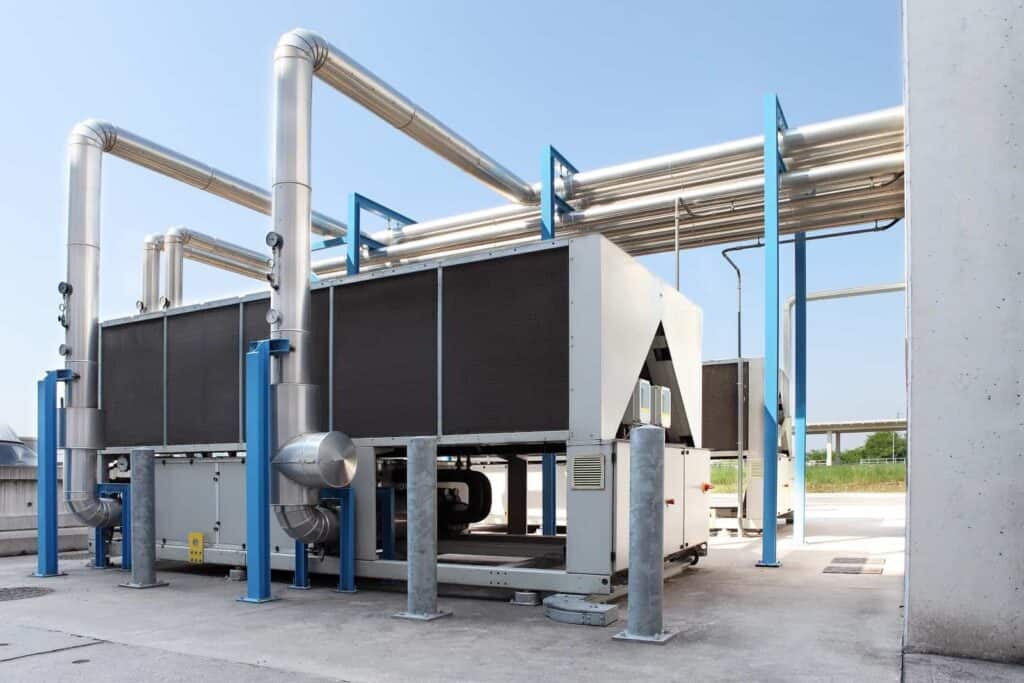
The air handling unit (AHU) market in the Netherlands is experiencing strong growth, driven by increasing demand for energy-efficient systems, technological advancements, and a growing focus on improving indoor air quality (IAQ). As the country pushes toward achieving its sustainability goals, including reducing carbon emissions and enhancing energy efficiency across all sectors, AHUs have become a key component of HVAC systems in buildings throughout the Netherlands. These systems not only help improve air quality but also contribute significantly to reducing energy consumption, making them an integral part of modern construction and building management.
The Netherlands Air Handling Unit (AHU) Market is predicted to reach USD 168.6 million, at a CAGR of 5.4% by 2030. The Netherlands has long been at the forefront of adopting environmentally friendly technologies, and its AHU market is no exception. As the demand for more sustainable, smart, and healthy building solutions increases, the AHU market is set to continue its upward trajectory.
Market Overview
Air handling units are essential components in HVAC systems, responsible for circulating and conditioning air within buildings. By regulating airflow, temperature, and humidity, AHUs play a crucial role in ensuring indoor air quality, comfort, and energy efficiency. In the Netherlands, the demand for AHUs is rising in both new construction and building renovation projects, driven by the country’s emphasis on sustainability, energy savings, and improved occupant health.
The market is driven by several factors, including the demand for energy-efficient systems, the adoption of green building standards, and a heightened focus on improving indoor air quality in light of the ongoing global health concerns.
Key Market Trends
- Sustainability and Energy Efficiency: The Netherlands is a leader in sustainable development, with the government aiming to achieve net-zero carbon emissions by 2050. As part of these goals, energy-efficient building technologies, including AHUs, are increasingly in demand. Modern AHUs equipped with heat recovery systems, energy-efficient fans, and low-energy motors are essential for reducing a building’s energy consumption. Moreover, the integration of these units into energy-efficient buildings is encouraged through programs such as the Dutch Energy Label and EU-wide regulations like the Energy Performance of Buildings Directive (EPBD). These systems help meet energy targets while maintaining optimal comfort and air quality.
- Smart and IoT-Enabled AHUs: The rise of smart buildings in the Netherlands has led to an increased demand for IoT-integrated AHUs. These smart systems can monitor air quality, track energy usage, and adjust ventilation based on real-time data. IoT-enabled AHUs offer building managers the ability to optimize energy usage, reduce maintenance costs, and enhance occupant comfort. Additionally, features like remote monitoring, predictive maintenance, and automated adjustments based on occupancy or air quality levels are becoming increasingly common in new AHU models. This shift toward smart technology is transforming the Netherlands AHU market and is expected to continue gaining momentum as more buildings adopt smart infrastructure.
- Indoor Air Quality (IAQ) Focus: The ongoing global focus on health and hygiene, has heightened awareness around indoor air quality. In the Netherlands, building owners and operators are prioritizing systems that improve ventilation and air quality. AHUs equipped with high-efficiency filters, including HEPA filters, and UV-C lights, are becoming essential in maintaining healthy indoor environments. These systems help to remove airborne contaminants such as viruses, allergens, and pollutants, significantly improving IAQ. With commercial, residential, and public buildings increasingly investing in advanced air handling solutions, the demand for AHUs with enhanced filtration capabilities is expected to rise.
- Green Building Certifications and Regulations: The Netherlands is a strong advocate of green building practices and sustainability, with green building certifications such as BREEAM (Building Research Establishment Environmental Assessment Method) and the Dutch Green Building Council (DGBC) playing a significant role in shaping the market. AHUs that meet stringent environmental and energy efficiency standards are increasingly required in new constructions and renovations, particularly in high-performance buildings aiming for sustainability certifications. As the Dutch government continues to incentivize eco-friendly building practices, the demand for AHUs that align with these standards will continue to grow.
- Retrofitting and Modernization Projects: With a substantial proportion of the Dutch building stock being older structures, the demand for retrofitting and modernization is driving the AHU market. Older buildings require upgrades to meet new energy efficiency standards and improve IAQ. Retrofitting outdated air handling units with modern, more efficient systems can lead to significant energy savings and better performance. This trend is particularly strong in commercial buildings, educational institutions, and healthcare facilities, where optimizing energy use and IAQ are critical.
Market Segmentation
The Netherlands AHU market can be segmented by product type, application, and region:
- Product Type:
- Modular AHUs: Modular AHUs are highly customizable and scalable, making them ideal for large commercial and industrial buildings. Their ability to meet specific airflow and ventilation requirements makes them suitable for complex HVAC systems in large-scale developments.
- Packaged AHUs: These are compact, pre-assembled units designed for smaller-scale applications. Packaged AHUs are ideal for smaller commercial buildings, residential complexes, and retrofit projects, offering flexibility and ease of installation.
- Application:
- Commercial: Commercial buildings, including office spaces, retail outlets, and hotels, account for a significant portion of the AHU market in the Netherlands. With a growing emphasis on energy efficiency, IAQ, and sustainability, commercial building owners are increasingly investing in advanced AHUs.
- Industrial: Industrial facilities such as manufacturing plants, warehouses, and cleanrooms require specialized AHUs that can handle high ventilation loads and meet strict environmental conditions. The industrial sector’s focus on energy-efficient systems is contributing to growth in this segment.
- Residential: The residential market in the Netherlands is witnessing a rise in the adoption of AHUs, particularly in eco-friendly and high-performance buildings. The demand for AHUs in residential buildings is also driven by increasing concerns over IAQ and energy efficiency.
- Regional Distribution:
- Randstad: The Randstad region, including major cities like Amsterdam, Rotterdam, The Hague, and Utrecht, remains the largest market for AHUs in the Netherlands due to its dense population, commercial activities, and high level of construction and infrastructure projects.
- Other Regions: Other growing regions, such as Groningen, Eindhoven, and Maastricht, are also contributing to the expansion of the AHU market as urbanization and sustainability efforts spread across the country.
Conclusion
The Netherlands AHU market is set to continue its growth trajectory, supported by the country’s sustainability initiatives, technological advancements, and increasing demand for healthy and energy-efficient buildings. As both the residential and commercial sectors continue to evolve, the market for innovative, high-performance air handling units will play a crucial role in shaping the future of the Dutch built environment.
