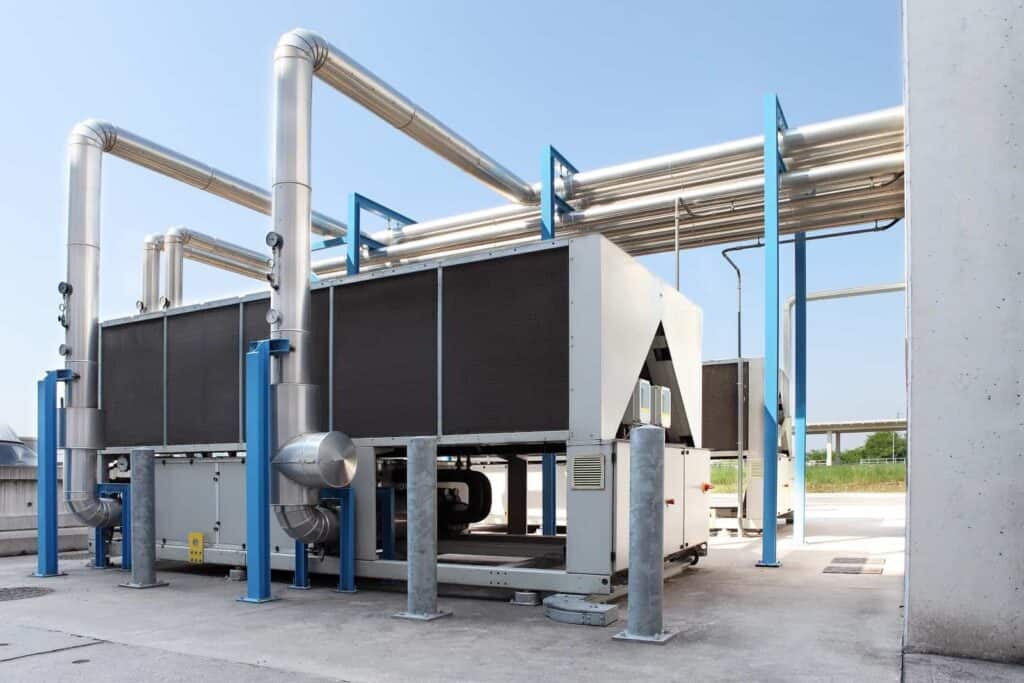
The air handling unit (AHU) market in Russia is set to experience robust growth in the coming years, fueled by rising demand for energy-efficient and sustainable HVAC (heating, ventilation, and air conditioning) solutions. As Russia continues its urbanization efforts, modernizes its building infrastructure, and strives to meet its environmental goals, the AHU market is becoming a key player in the country’s quest for energy-efficient, healthy indoor environments. This press release explores the key factors influencing the market, emerging trends, and the future outlook for Russia AHU market.
Market Overview
The Russia Air Handling Unit (AHU) Market is predicted to reach USD 285.5 million at a CAGR of 2.0% by 2030. The growing focus on sustainability, energy efficiency, and government-led infrastructure projects is driving this demand, alongside the increasing need for innovative HVAC solutions that improve indoor air quality (IAQ) while meeting modern environmental standards.
Claim Your FREE Sample and See the Difference!
As one of the largest HVAC markets in Eastern Europe, Russia AHU market is also witnessing significant transformation with the integration of advanced technologies such as smart controls, heat recovery systems, and IoT (Internet of Things)-enabled units. The evolving regulatory landscape, which prioritizes energy conservation and environmental responsibility, is playing a crucial role in accelerating market growth.
Key Drivers of Market Growth
- Energy Efficiency and Sustainability Focus: Russia commitment to reducing energy consumption and lowering its carbon footprint is a major driver for the AHU market. Energy efficiency has become a top priority in both new construction and renovation projects. AHUs equipped with energy recovery features such as heat recovery ventilation (HRV) and energy recovery ventilation (ERV) are highly sought after, helping to reduce operational costs while improving the overall efficiency of HVAC systems. These units provide the added benefit of reducing energy waste and ensuring compliance with emerging energy standards.
Don’t Miss This Important Update
- Government Regulations and Green Building Initiatives: The Russia government is increasingly implementing and tightening energy regulations to meet global sustainability goals. Building energy codes now mandate improved energy efficiency, and new regulations are being introduced to enhance the environmental performance of buildings. This has led to increased adoption of AHUs with advanced features such as energy recovery systems, low-power components, and optimized air filtration. In addition, green building certifications such as LEED (Leadership in Energy and Environmental Design) are encouraging the use of energy-efficient HVAC systems in both commercial and residential buildings.
- Urbanization and Infrastructure Development: Russia is undergoing rapid urbanization, with major cities such as Moscow, St. Petersburg, and Kazan experiencing significant construction activity. The expansion of residential complexes, commercial buildings, office spaces, and industrial facilities is driving demand for high-performance HVAC systems, including AHUs. As more buildings are being constructed, particularly high-rise and large-scale commercial developments, the need for effective ventilation systems that meet modern standards of IAQ and energy efficiency is increasing.
- Improved Air Quality Awareness: The growing awareness of indoor air quality (IAQ) and its impact on health is another key driver for the AHU market in Russia. AHUs are essential for ensuring proper ventilation and air filtration, which are crucial in maintaining healthy indoor environments. With increasing concern over pollutants and allergens, demand is rising for AHUs that offer enhanced filtration systems to improve IAQ, particularly in commercial, industrial, and healthcare facilities.
- Technological Advancements: Technological advancements in AHU systems are improving energy efficiency, performance, and user control. The introduction of IoT-enabled AHUs allows for real-time monitoring, predictive maintenance, and remote control, enabling building operators to optimize system performance and reduce energy consumption. In addition, advancements in heat recovery technologies are making AHUs more cost-effective and environmentally friendly.
Emerging Trends
- Integration of Heat Recovery Systems: One of the most notable trends in Russia AHU market is the increased use of heat recovery systems. These systems capture and reuse waste heat from exhaust air to pre-condition incoming fresh air, reducing the need for additional heating or cooling. HRV and ERV systems are gaining popularity in both residential and commercial buildings due to their ability to reduce energy consumption while maintaining a consistent and comfortable indoor climate.
- Smart and IoT-Enabled AHUs: The integration of smart technology is transforming Russia AHU market. IoT-enabled AHUs allow for remote monitoring and control, providing building managers with the ability to track system performance and identify issues before they lead to inefficiencies. This connectivity also allows for the integration of AHUs with building management systems (BMS) to ensure seamless optimization of energy usage and ventilation. The growing trend towards smart cities and smart buildings in Russia is contributing to the adoption of such advanced AHUs.
- Modular and Scalable Systems: Modular AHUs are gaining traction in the Russia market due to their flexibility and scalability. These units allow for easy customization to meet the specific needs of different buildings. Whether for new developments or retrofits of existing buildings, modular AHUs can be adjusted to accommodate varying ventilation demands. Their ability to adapt to changing requirements makes them a cost-effective solution for a wide range of building types.
- Focus on Noise Reduction and Comfort: As Russia cities continue to develop, building owners are placing a greater emphasis on the comfort and well-being of residents and occupants. AHUs with advanced noise-reduction technology are becoming popular, particularly in residential buildings, offices, and hotels. Reducing noise from HVAC systems is crucial to ensuring occupant comfort, especially in dense urban areas where noise pollution is a growing concern.
Regional Insights
Moscow and St. Petersburg continue to dominate the AHU market, with these cities driving the majority of demand for HVAC solutions. Moscow, being the largest commercial and residential hub in Russia, sees a high concentration of construction activity, including the development of office buildings, residential complexes, and shopping malls. St. Petersburg, as the second-largest city, is also experiencing significant urban growth and infrastructure development, further boosting the demand for AHUs.
In addition to the larger urban centers, cities such as Kazan, Yekaterinburg, and Novosibirsk are also contributing to market growth as they experience rapid industrialization and urban development.
Conclusion
The Russia AHU market is positioned for long-term growth, with the demand for energy-efficient, sustainable, and smart ventilation solutions on the rise. As the country embraces urbanization and sustainability initiatives, AHUs will continue to be integral to creating comfortable, healthy, and environmentally responsible indoor spaces. With technological innovations and regulatory pressures driving change, the market offers exciting opportunities for manufacturers and service providers in the HVAC industry.
