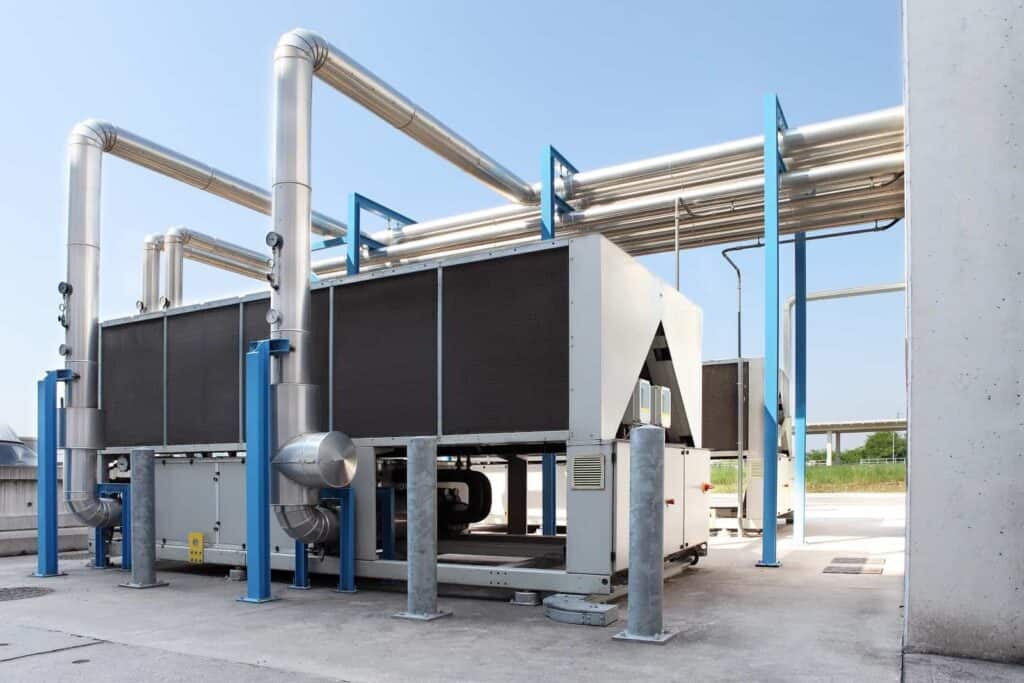
The Sweden air handling unit (AHU) market is experiencing notable growth, driven by an increased focus on energy efficiency, sustainability, and advancements in building technologies. As Sweden continues to lead in environmental initiatives, the demand for high-performance air handling systems is rising in response to stricter regulations, growing construction activity, and the country’s commitment to reducing its carbon footprint. This press release highlights the key drivers, emerging trends, and future outlook of the Sweden AHU market.
Market Overview
The Sweden Air Handling Unit (AHU) Market is predicted to reach USD 129.6 million, at a CAGR of 6.0% by 2030. This growth is fueled by a combination of factors, including urban expansion, stringent energy efficiency standards, and the increasing focus on air quality and indoor comfort. In addition, Sweden’s emphasis on achieving carbon neutrality by 2045 is pushing building owners and developers to adopt more sustainable and energy-efficient HVAC (heating, ventilation, and air conditioning) solutions, including air handling units.
Unlock a FREE Sample – Try Before You Buy!
AHUs play a crucial role in maintaining indoor air quality, improving comfort, and ensuring energy efficiency in both residential and commercial buildings. As Sweden adopts more green building practices and smart technologies, AHUs have become an integral part of modern HVAC systems, aligning with the country’s ambitious environmental goals.
Key Drivers of Market Growth
- Energy Efficiency and Sustainability Initiatives: Sweden is known for its proactive stance on environmental sustainability and energy efficiency. The Swedish government has set ambitious targets to reduce carbon emissions and transition to a sustainable economy, which directly impacts the building sector. As part of this effort, building owners and developers are increasingly adopting air handling units with advanced energy-saving features, such as heat recovery and low-energy fans. These units help reduce energy consumption while maintaining optimal indoor comfort. The demand for energy-efficient AHUs is further supported by Sweden’s commitment to reducing its reliance on fossil fuels and achieving carbon neutrality by 2045.
Don’t Miss This Important Update
- Building Regulations and Indoor Air Quality: Swedish building codes are increasingly focused on improving indoor air quality and ensuring that HVAC systems meet stringent energy efficiency standards. As awareness of air pollution and its effects on health grows, both residential and commercial building owners are prioritizing air quality. Air handling units with advanced filtration systems, humidity control, and heat recovery capabilities are becoming increasingly popular as they ensure a consistent supply of clean, fresh air while optimizing energy consumption. The adoption of these units is helping Sweden achieve its goal of providing healthier, more comfortable living and working environments.
- Green Building Certifications: Sweden has been a leader in promoting green building certifications, such as BREEAM and the Nordic Swan Ecolabel, which emphasize energy efficiency and environmental performance. Building projects aiming for these certifications are increasingly incorporating AHUs with high energy efficiency ratings, advanced heat recovery systems, and low-maintenance components. As the demand for eco-friendly buildings increases, so too does the demand for AHUs that meet these rigorous environmental standards.
- Technological Advancements: Advancements in smart building technologies and IoT (Internet of Things) are also influencing the growth of the AHU market in Sweden. Modern AHUs are now equipped with sensors and controls that optimize energy use by adjusting airflow and temperature based on real-time environmental conditions. These systems not only improve energy efficiency but also enhance the comfort and health of building occupants. Automation, predictive maintenance, and remote monitoring are additional features driving demand for more intelligent air handling units in Sweden.
- Construction Activity and Urbanization: Sweden is experiencing a steady increase in both residential and commercial construction projects, particularly in major urban centers like Stockholm, Gothenburg, and Malmö. The rise in high-performance and sustainable building developments is a key factor driving the adoption of advanced air handling systems. As the demand for modern, energy-efficient buildings increases, so does the need for reliable and effective AHUs to ensure that these buildings meet energy efficiency and air quality requirements.
Emerging Trends
- Heat Recovery and Energy Recovery Ventilation (ERV): One of the most prominent trends in the Sweden AHU market is the integration of heat recovery systems. Heat recovery ventilators (HRVs) and energy recovery ventilation (ERV) systems help to optimize energy use by transferring heat from exhaust air to incoming fresh air, reducing heating and cooling costs. This feature is especially attractive in Sweden’s cold climate, where energy efficiency is essential for maintaining comfort and reducing operational costs in buildings.
- Smart AHUs and Building Integration: The integration of AHUs into building management systems (BMS) is another growing trend. With IoT-enabled AHUs, building managers can monitor and control ventilation systems remotely, track performance, and adjust settings to optimize energy consumption. Smart AHUs are equipped with sensors that detect changes in temperature, humidity, and air quality, allowing for real-time adjustments. This enhances both energy savings and occupant comfort, aligning with Sweden’s smart building initiatives.
- Sustainability-Focused Components: Manufacturers of AHUs are increasingly focusing on using environmentally friendly materials and components. From recyclable casings to low-GWP (Global Warming Potential) refrigerants, the push for sustainability is driving the development of greener AHUs. In addition, manufacturers are designing units with longer lifespans and low-maintenance requirements, reducing the need for frequent replacements and minimizing the environmental impact of AHU systems over time.
- Decentralized and Modular AHUs: There is also a shift toward decentralized and modular AHU systems, which offer flexibility and ease of installation. These units are ideal for buildings with specific space constraints or projects that require customization. Modular AHUs allow for scalability, where additional units can be added as the building’s requirements evolve. This flexibility is particularly attractive in the Swedish market, where customized solutions are becoming the norm in both new and retrofitted buildings.
Conclusion
The Sweden air handling unit market is poised for growth, with strong demand for energy-efficient, sustainable, and technologically advanced systems. With Sweden’s focus on reducing carbon emissions and achieving carbon neutrality by 2045, the adoption of high-performance AHUs will play a crucial role in building more energy-efficient and healthier environments. As the country continues to embrace innovation in the building sector, the AHU market will remain a key player in Sweden’s sustainable future.
