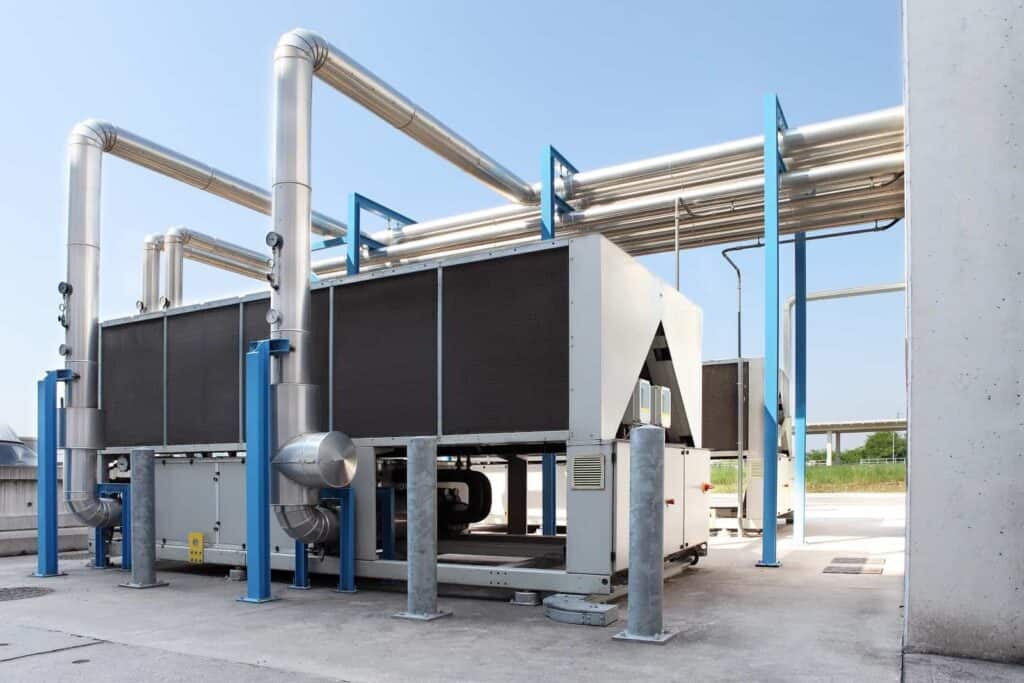
The air handling unit (AHU) market in Taiwan is experiencing significant growth, fueled by increasing demand for energy-efficient systems, a rising focus on indoor air quality (IAQ), and the country’s push towards sustainable building practices. As Taiwan works to meet its energy efficiency goals and align with global sustainability initiatives, AHUs are becoming critical components in both commercial and residential sectors, offering energy savings, improved comfort, and healthier indoor environments.
Market Overview
Air handling units are essential HVAC (heating, ventilation, and air conditioning) systems that help regulate and circulate air within buildings, providing ventilation, controlling temperature, and improving IAQ. Taiwan’s rapid urbanization, coupled with a growing emphasis on sustainability and green building practices, has made AHUs a key player in ensuring energy-efficient and comfortable indoor environments. With increasing regulatory pressures for sustainable buildings and a focus on public health, the demand for advanced, energy-efficient AHUs in Taiwan is expected to continue rising. The Taiwan Air Handling Unit (AHU) Market is predicted to reach USD 147.2 million at a CAGR of 5.6% by 2030.
This growth is primarily driven by Taiwan’s commitment to reducing carbon emissions, increasing energy efficiency in the built environment, and ensuring optimal indoor air quality for its residents.
Key Market Trends
- Sustainability and Energy Efficiency: Taiwan’s commitment to achieving carbon neutrality by 2050 and adhering to international environmental standards is a significant driver of the AHU market. The Taiwanese government has introduced energy efficiency policies, such as the “Energy Conservation and Greenhouse Gas Reduction Act,” which incentivize the use of energy-efficient technologies in buildings. AHUs equipped with heat recovery systems, variable air volume (VAV) control, and high-efficiency motors are in demand as they help reduce energy consumption while improving system performance.
Don’t Miss This Important Update
- Smart and IoT-Enabled AHUs: Taiwan’s growing smart building sector is driving the demand for IoT-integrated AHUs. These smart units offer real-time monitoring, remote control, and predictive maintenance, enabling building managers to optimize airflow, temperature, and energy use. By leveraging data-driven insights, smart AHUs can adjust to environmental changes, improving both energy efficiency and occupant comfort. As Taiwan’s commercial real estate sector increasingly invests in smart technology, the demand for IoT-enabled AHUs is expected to rise significantly.
- Indoor Air Quality (IAQ) Awareness: The focus on IAQ has been heightened in businesses and homeowners seek ways to ensure healthy indoor environments. Taiwan’s healthcare, office, and hospitality sectors are prioritizing IAQ by installing AHUs with advanced filtration systems, including HEPA filters, UV-C disinfection, and air purification systems. These units help eliminate airborne pollutants, allergens, and pathogens, improving the overall health and well-being of building occupants.
- Government Regulations and Incentives: Taiwan’s government is actively promoting energy-efficient building technologies through various incentives and policies. The Energy Management Law and the Green Building Label program have encouraged the integration of energy-saving systems, including AHUs, into new and existing buildings. With these policies supporting green building practices and offering financial incentives for energy-efficient upgrades, AHUs are becoming increasingly attractive to businesses and developers seeking to comply with sustainability regulations.
- Retrofitting and Renovation Projects: Taiwan’s aging building stock presents significant opportunities for the AHU market. Retrofitting older buildings with modern, energy-efficient AHUs helps building owners meet stricter energy efficiency regulations and improve indoor comfort. As Taiwan’s cities continue to urbanize, retrofitting efforts are expected to increase, particularly in older commercial buildings and public sector facilities.
Market Segmentation
The Taiwan AHU market can be segmented by product type, application, and region:
- Product Type:
- Modular AHUs: Modular units are customizable and scalable, making them ideal for large commercial and industrial applications. Their flexibility allows them to meet specific ventilation and air quality requirements in large-scale facilities such as office buildings, factories, and shopping malls.
- Packaged AHUs: Compact, pre-assembled, and easy to install, packaged AHUs are well-suited for smaller commercial buildings and residential applications. They offer energy efficiency and cost-effectiveness, making them popular for medium-sized projects.
- Application:
- Commercial: Offices, retail outlets, and hospitality venues are the largest consumers of AHUs in Taiwan. The demand for AHUs in these sectors is driven by the need for energy-efficient systems that can enhance IAQ, reduce operational costs, and improve occupant comfort.
- Industrial: Industrial applications, such as factories, warehouses, and cleanrooms, require specialized AHUs that can handle high ventilation loads and meet specific environmental conditions. These AHUs are often equipped with advanced filtration and humidity control systems to meet stringent industry requirements.
- Residential: The residential sector in Taiwan is seeing an increase in the adoption of AHUs, particularly in high-end residential developments and eco-friendly homes. Homeowners are increasingly seeking systems that offer both comfort and energy efficiency.
- Regional Distribution:
- Northern Taiwan (Taipei): Taipei, as the capital and largest city, remains the dominant market for AHUs. The city is home to a growing number of smart buildings, commercial complexes, and high-end residential projects, all of which contribute to strong demand for advanced AHU systems.
- Central and Southern Taiwan: Regions like Taichung and Kaohsiung are also witnessing growing demand for AHUs, driven by an expanding commercial real estate sector and a focus on energy-efficient building practices.
Future Outlook
The future of the Taiwan AHU market is promising, with a strong emphasis on energy efficiency, smart technology, and improved IAQ. The growing demand for green buildings, combined with the government’s commitment to sustainability, will continue to fuel the adoption of high-performance AHUs. As Taiwan’s commercial, industrial, and residential sectors embrace smart building solutions, the market for IoT-enabled AHUs will expand, offering new opportunities for manufacturers and technology providers.
The trend of retrofitting and upgrading existing buildings will also provide substantial growth potential for the AHU market, as building owners seek to improve energy efficiency and comply with stricter regulations.
Conclusion
The air handling unit market in Taiwan is poised for significant growth, driven by increasing sustainability efforts, advancements in smart technology, and a heightened focus on indoor air quality. With the Taiwanese government’s support for energy-efficient buildings and growing awareness of environmental and health concerns, AHUs will continue to play a vital role in shaping the future of the country’s built environment.
