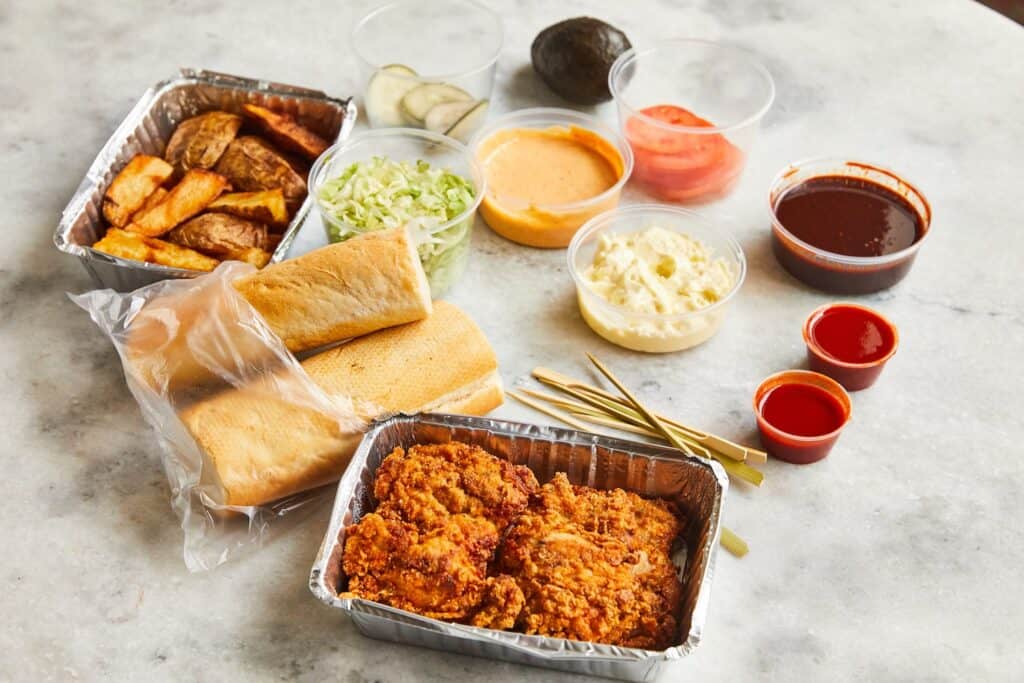
The global meal kit market is poised for significant growth, driven by an increasing demand for convenience, healthier food options, and a growing shift toward at-home dining experiences. With the global meal kit market is predicted to reach USD 52.22 billion with a CAGR of 18.7% till 2030, the meal kit industry is rapidly becoming a key player in the food and beverage sector.
Meal kits, which deliver pre-portioned ingredients and recipes to consumers’ doorsteps, offer an innovative solution to time-strapped individuals seeking home-cooked meals without the hassle of shopping or meal planning. As consumer preferences evolve, the market is benefiting from a combination of busy lifestyles, a growing focus on health and wellness, and an increasing desire for culinary variety.
Market Overview
Meal kits typically consist of fresh, pre-portioned ingredients along with detailed instructions on how to prepare meals at home. These kits cater to a wide range of consumer preferences, including vegetarian, vegan, gluten-free, and low-calorie options, providing a versatile solution to meet diverse dietary needs.
The meal kit market is highly segmented based on meal type, delivery model, and region. Key market segments include:
Download Your Free Sample Today!
- Meal Types: The variety of meal options offered in meal kits is a major driver of the market’s growth. Popular options include traditional home-cooked meals, international cuisines, healthy and nutritious meals, and gourmet kits for those looking to explore new culinary experiences.
- Delivery Models: Meal kit services operate under various delivery models, including subscription-based services, one-time orders, and custom kits that allow consumers to select their meals for specific days. Subscription-based services are the dominant model, offering customers the convenience of weekly or monthly deliveries.
- Region: North America, particularly the U.S., leads the meal kit market due to the presence of key players such as Blue Apron, HelloFresh, and Sun Basket. Europe and Asia-Pacific are also witnessing significant growth, with increasing consumer interest in meal kits and a rise in local players offering region-specific meal options.
Key Market Drivers
- Convenience and Time-Saving
The primary appeal of meal kits lies in the convenience they offer. With busy schedules and limited time for grocery shopping and meal preparation, many consumers are turning to meal kits as a solution that saves time and effort. By eliminating the need to plan meals, shop for ingredients, and measure portions, meal kits provide a streamlined and hassle-free dining experience. - Health and Wellness Focus
As consumers increasingly prioritize healthier lifestyles, there is a growing demand for meal kits that cater to specific dietary preferences, such as low-calorie, low-carb, gluten-free, and plant-based meals. Meal kit companies are responding by expanding their offerings to include nutrient-dense ingredients, organic produce, and ethically sourced proteins, catering to health-conscious consumers. - Growing Popularity of At-Home Dining
The pandemic accelerated the trend of at-home dining as many people sought safer alternatives to dining out. As the desire for restaurant-quality meals at home continues, meal kits have become a popular option for those who enjoy cooking but do not have the time or expertise to shop and prepare meals from scratch. The convenience and variety offered by meal kits make them a preferred choice for individuals and families alike. - Environmental Concerns and Sustainability
Environmental concerns related to food waste and packaging are driving a growing demand for eco-friendly and sustainable meal kit options. Meal kit providers are increasingly focusing on reducing food waste by offering perfectly portioned ingredients and utilizing recyclable or compostable packaging materials. Consumers are also attracted to meal kits that prioritize locally sourced and organic ingredients, further enhancing their appeal.
Challenges and Opportunities
While the meal kit market is thriving, there are several challenges that could impact its growth. One of the key challenges is the cost of meal kits compared to traditional grocery shopping. Meal kits can sometimes be more expensive, which may limit their appeal to price-sensitive consumers. However, companies are addressing this challenge by offering more affordable options, such as smaller meal plans, and by focusing on increasing operational efficiencies to lower costs.
Another challenge is the logistics and supply chain complexity involved in delivering fresh ingredients to consumers. Meal kit companies need to ensure that ingredients remain fresh during transportation, which requires effective cold storage and delivery systems. Companies that can optimize their supply chains and reduce delivery times will be well-positioned to succeed in a competitive market.
Conclusion
The meal kit market is on a strong growth trajectory, driven by convenience, health-consciousness, and a shift toward at-home dining. As consumer preferences continue to evolve and technology advances, the market is well-positioned to expand further. Meal kit services that can offer diverse meal options, affordable pricing, and eco-friendly practices will be key to maintaining success in an increasingly competitive market. With new opportunities emerging in both established and emerging markets, the meal kit industry is set to thrive in the years to come.
