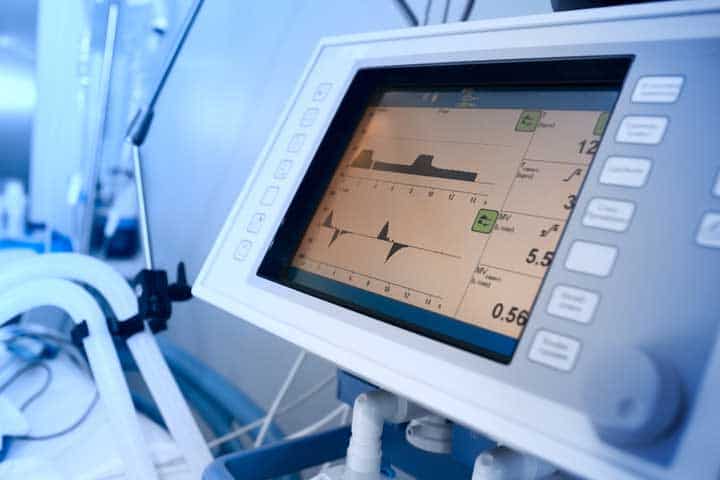
The global mechanical ventilators market is poised for rapid growth, is predicted to reach USD 8.31 billion with a CAGR of 11.0% till 2030. The surge in demand for mechanical ventilators is driven by factors such as the ongoing prevalence of respiratory diseases, increasing healthcare infrastructure investments, technological advancements in medical devices, and the growing awareness of emergency preparedness and critical care needs.
Mechanical ventilators market, essential life-saving medical devices used to assist or control patients’ breathing, have gained significant attention due to their crucial role in treating patients suffering from acute respiratory conditions. As the healthcare industry expands and medical research leads to further advancements in respiratory care, the mechanical ventilator market continues to evolve.
Explore the Benefits with a FREE Sample!
Key Market Drivers
- Rising Incidence of Respiratory Diseases
The prevalence of respiratory diseases, such as Chronic Obstructive Pulmonary Disease (COPD), pneumonia, asthma, and acute respiratory distress syndrome (ARDS), is driving the demand for mechanical ventilators. With an increasing aging population and the global rise in smoking and environmental pollution, respiratory illnesses are expected to continue to affect millions of individuals, increasing the need for advanced ventilator solutions in both hospital settings and home care. - Surge in Critical Care Needs
The pandemic highlighted the critical importance of mechanical ventilators in managing severe respiratory infections. Although the pandemic has subsided, the demand for ventilators remains high due to the continuous need for critical care devices. Additionally, the growing prevalence of other life-threatening conditions such as stroke, trauma, and cardiac arrest, which often require respiratory support, is contributing to market growth. - Technological Advancements
Recent innovations in mechanical ventilators have made them more efficient and user-friendly, driving adoption in healthcare facilities worldwide. Advanced features, including improved monitoring capabilities, portability, integration with electronic health records (EHR), and smart ventilators powered by artificial intelligence (AI), have made mechanical ventilators an indispensable tool in modern respiratory care. These innovations also enable healthcare professionals to provide more personalized and effective treatment to patients. - Growing Healthcare Infrastructure
As healthcare infrastructure expands in emerging economies, the demand for mechanical ventilators has grown significantly. Countries such as India, China, and Brazil are investing in healthcare infrastructure, increasing the number of intensive care units (ICUs) and critical care facilities, which directly influences the demand for mechanical ventilators. Governments, as well as private healthcare providers, are also seeking to ensure that hospitals are well-equipped to handle respiratory-related medical emergencies.
Key Market Trends
- Rise of Non-invasive Ventilators
Non-invasive mechanical ventilators are becoming more popular due to their ability to provide respiratory support without the need for intubation. These devices are particularly useful for patients with mild-to-moderate respiratory distress. The non-invasive segment is expected to see significant growth as it is associated with fewer complications, shorter recovery times, and a lower risk of infections compared to traditional invasive ventilation. - Integration with Remote Monitoring Technologies
With the growing use of remote patient monitoring technologies, ventilators are being integrated with systems that allow healthcare professionals to monitor patients’ respiratory status from a distance. This integration is especially useful for patients in homecare settings or in regions where healthcare resources may be limited. Remote monitoring can help ensure the timely intervention of healthcare providers, improving patient outcomes and minimizing complications.
Click Here for Your FREE Sample!
- Portable and Compact Devices
Portable and compact ventilators are gaining traction in emergency care settings, ambulances, and homecare environments. These devices are increasingly designed to be lightweight and easy to transport while maintaining functionality and efficiency. As a result, portable ventilators are becoming critical components of emergency medical services and long-term care for individuals with respiratory disorders.
Challenges and Opportunities
Despite the growth prospects, the mechanical ventilators market faces challenges such as high device costs, the complexity of ventilator operation, and the need for specialized training for healthcare professionals. Additionally, the global shortage of skilled personnel in critical care settings is another concern.
However, these challenges also provide opportunities for market players to develop more user-friendly, affordable, and efficient ventilator solutions. The integration of artificial intelligence, predictive analytics, and machine learning into ventilators is expected to address some of these challenges by enhancing device capabilities, improving ease of use, and reducing the risk of human error.
Conclusion
The mechanical ventilators market is set for rapid growth, driven by the increasing prevalence of respiratory diseases, advancements in technology, and the expanding healthcare infrastructure globally. With innovations in non-invasive ventilators, portable devices, and remote monitoring capabilities, the market is poised to witness a transformation in patient care. The demand for high-quality, reliable mechanical ventilators will continue to rise, offering significant opportunities for manufacturers and healthcare providers alike.
