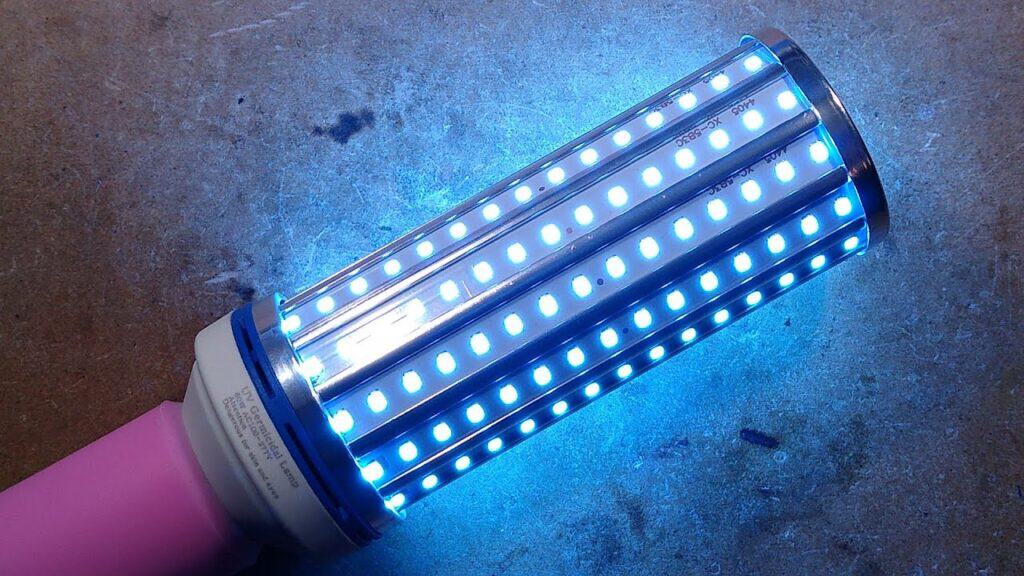
The global UV-C LED market is poised for rapid growth as industries and consumers alike seek cleaner, more energy-efficient alternatives to traditional sterilization methods. This growth is being fueled by increasing awareness of hygiene, advancements in UV-C LED technology, and the need for sustainable, chemical-free sterilization solutions.
The UV-C LED Market is predicted to reach USD 6576.18 million with a CAGR of 40.1% by 2030. UV-C light, which has been proven to effectively inactivate harmful microorganisms such as bacteria, viruses, and fungi, has long been used in sterilization systems. However, traditional mercury-based UV-C lamps have raised concerns due to their environmental impact and energy inefficiency. The advent of UV-C LEDs is transforming the market by offering a more sustainable, energy-efficient, and safe alternative to conventional UV-C lamps. The compact size, long lifespan, and chemical-free nature of UV-C LEDs make them highly attractive for a wide range of applications.
Experience It for Yourself – Download a FREE Sample!
Market Overview
The UV-C LED market includes the production and deployment of ultraviolet LEDs emitting light in the UV-C range (200-280 nm), which is effective for germicidal and disinfection purposes. These LEDs are used in a variety of industries, including healthcare, food & beverage, water treatment, air purification, and consumer products. UV-C LEDs offer several advantages over traditional mercury-based UV-C lamps, including lower energy consumption, longer operational lifespans, and the absence of hazardous materials like mercury.
The market for UV-C LEDs is expanding rapidly, driven by growing concerns about public health, the need for effective sterilization in industrial and consumer environments, and the increasing demand for energy-efficient, eco-friendly solutions. Furthermore, the ongoing global push for sustainability and the shift toward more environmentally-conscious technologies are playing a crucial role in accelerating the adoption of UV-C LEDs.
Key Market Drivers
- Rising Demand for Disinfection and Sterilization: The global health crisis, has highlighted the critical need for effective sterilization solutions in both public and private spaces. UV-C LEDs, which offer a proven method for inactivating harmful pathogens, are being increasingly adopted in a wide range of disinfection applications, from healthcare facilities to commercial buildings, public transportation, and personal protective equipment (PPE).
- Energy Efficiency and Sustainability: UV-C LEDs are more energy-efficient and environmentally friendly than traditional mercury-based UV-C lamps. They consume less power, last longer, and do not contain harmful substances such as mercury, which poses environmental risks. As consumers and industries alike continue to seek sustainable solutions, the demand for UV-C LEDs is expected to increase.
- Technological Advancements: Advances in UV-C LED technology are improving the effectiveness and affordability of UV-C LED solutions. The development of higher-power UV-C LEDs, better materials, and improved efficiency has led to a significant reduction in cost per unit, making UV-C LEDs a more accessible option for a wide range of applications. These technological improvements are opening up new markets and expanding the use cases for UV-C LEDs, particularly in air and water purification systems.
- Regulatory Support for Clean Technologies: Governments around the world are increasingly implementing regulations and standards that promote the use of clean, energy-efficient technologies. For example, the European Union and the U.S. Environmental Protection Agency (EPA) have established guidelines and incentives for the adoption of sustainable technologies in industries such as healthcare and water treatment. This regulatory support is helping to drive the adoption of UV-C LEDs as an effective sterilization method.
- Consumer Demand for Health and Hygiene Products: The consumer sector is experiencing heightened demand for UV-C sterilization products. Devices such as UV-C sanitizers for personal items like smartphones, glasses, and keys, as well as UV-C air purifiers and water sterilizers, are gaining popularity. As consumers become more health-conscious, demand for UV-C LED-based products is expected to rise.
Market Segmentation
The global UV-C LED market can be segmented by type, application, and region:
- By Type:
- Low Power UV-C LEDs: These LEDs are typically used in small-scale applications, such as portable UV-C sterilizers, personal gadgets, and smaller air or water purifiers.
- High Power UV-C LEDs: High-power UV-C LEDs are used in large-scale industrial applications, including water treatment, surface sterilization, and air disinfection in commercial and healthcare settings.
- By Application:
- Healthcare: UV-C LEDs are increasingly used in healthcare facilities for surface disinfection, air purification, and sterilization of medical equipment and tools. They offer a safe, chemical-free alternative to traditional sterilization methods.
- Water Treatment: UV-C LEDs are being adopted in water treatment systems for disinfection purposes. The compact nature and high efficiency of UV-C LEDs make them suitable for residential, commercial, and industrial water purification systems.
- Air Purification: UV-C LEDs are used in air purifiers to eliminate airborne pathogens and improve indoor air quality. Their compact size and energy efficiency make them ideal for residential, commercial, and industrial air purification systems.
- Consumer Products: UV-C LED-based products for personal hygiene, such as sanitizing wands and phone sterilizers, are gaining popularity among consumers. These portable and convenient products allow individuals to disinfect their belongings on the go.
- Other Applications: UV-C LEDs are also being used in food & beverage processing, laboratory equipment sterilization, and other industries that require efficient disinfection.
- By Region:
- North America: North America is expected to lead the UV-C LED market, driven by advancements in technology, growing demand for clean and energy-efficient solutions, and regulatory support for sustainable practices in industries like healthcare and water treatment.
- Europe: Europe is another key market for UV-C LEDs, with countries like Germany, the UK, and France seeing increased adoption of UV-C LED-based sterilization technologies across various industries. The region’s commitment to sustainability and energy efficiency is further driving market growth.
- Asia Pacific: The Asia Pacific region is expected to see significant growth in the UV-C LED market due to increasing industrialization, rising awareness of hygiene, and demand for clean technologies in countries like China, Japan, and India.
- Latin America & Middle East & Africa: The demand for UV-C LEDs in water treatment, air purification, and healthcare applications is growing in Latin America, the Middle East, and Africa. As these regions invest in cleaner technologies, the UV-C LED market is expected to expand.
Download Your Free Sample Today!
Conclusion
The UV-C LED market is on a rapid growth path, driven by increasing demand for energy-efficient, sustainable, and effective sterilization solutions. From healthcare facilities to consumer products, the adoption of UV-C LEDs is transforming industries and offering environmentally-friendly alternatives to traditional sterilization methods. As technological advancements continue to improve UV-C LED performance and affordability, the market is poised for further expansion in the years to come.
