According to Next Move Strategy Consulting, the Japan Air Handling Unit (AHU) market is experiencing significant growth. Forecasts predict the market will reach USD 883.4 million by 2030, growing at a Compound Annual Growth Rate (CAGR) of 6.1% by 2030. This growth is being fueled by rising demand for energy-efficient HVAC solutions, an increasing focus on indoor air quality, and the integration of smart technologies into HVAC systems.
Understanding the Air Handling Unit (AHU)
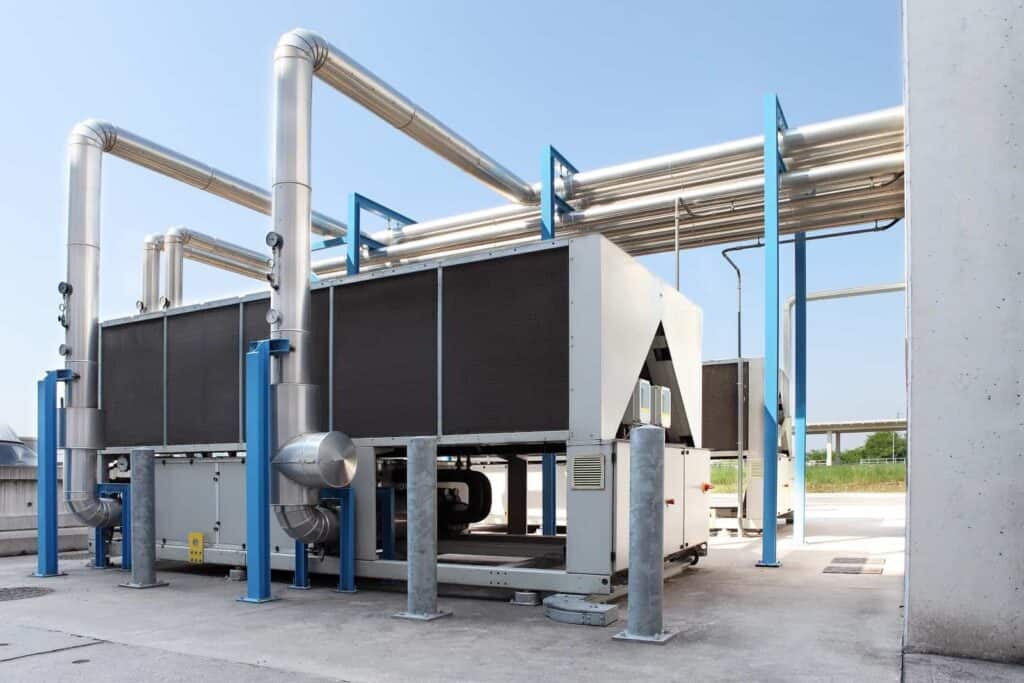
Air Handling Units (AHUs) are vital components of heating, ventilation, and air conditioning (HVAC) systems, playing a key role in regulating airflow, temperature, and humidity across various sectors. AHUs function by collecting air from both indoor and outdoor environments, filtering out dust and other contaminants, adjusting temperature and humidity levels, and supplying clean, conditioned air through ducts to maintain optimal indoor conditions.
Key Factors Driving Market Growth
- Increasing Awareness of Energy Efficiency
A significant driver of the AHU market in Japan is the growing awareness surrounding energy efficiency. As global environmental concerns rise, businesses and individuals alike are prioritizing HVAC systems that offer energy conservation and improved sustainability. With energy efficiency regulations tightening, end-users are looking for AHUs equipped with advanced technologies such as variable air volume (VAV) systems and energy recovery solutions. These features ensure precise control over energy usage, reducing operational costs while maintaining peak performance.
This shift toward energy-efficient HVAC solutions is also motivated by the desire to meet green building standards such as LEED certifications, further encouraging the market’s growth. The awareness of energy efficiency is reshaping the AHU landscape, as manufacturers innovate and offer products that not only meet regulatory standards but also appeal to the growing demand for eco-friendly and sustainable solutions.
- Rising Demand for HVAC Systems
The demand for HVAC systems in Japan is escalating, driven by urbanization, changing weather patterns, and growing awareness of indoor air quality. AHUs, being integral components of HVAC systems, are essential in creating comfortable and healthy environments in residential, commercial, and industrial buildings. With the growing population and an increasing focus on improving living and working conditions, the need for advanced HVAC solutions is expected to remain robust.
This surge in demand for HVAC systems, particularly in urban areas, is driving the need for more efficient, reliable, and high-performing AHUs. Additionally, commercial and industrial sectors are recognizing the importance of maintaining indoor air quality and thermal comfort, which will continue to fuel the market for AHUs.
Challenges in the Market
Despite the market’s growth prospects, the high initial cost of Air Handling Units remains a barrier for some potential customers. The installation of AHUs requires significant investment, which can be a challenge, especially for small businesses or individuals with limited budgets. These upfront expenses include the purchase of the units, installation costs, and ongoing maintenance. This may lead some to delay the installation of AHUs or opt for more cost-effective HVAC solutions.
To address this challenge, manufacturers are exploring ways to develop more cost-efficient AHU models, while industry stakeholders are looking into financing options to make these systems more accessible to a broader customer base.
Opportunities in Smart Technology Integration
One of the most exciting opportunities in the Japan AHU Market is the integration of Internet of Things (IoT) technology into AHUs. By incorporating advanced sensors and connectivity features, AHUs are becoming increasingly intelligent, allowing for remote monitoring and control. Building managers can now track parameters such as temperature, humidity, and air quality in real time, leading to more efficient system management.
Try it Risk-Free – Download Your FREE Sample!
Furthermore, the implementation of predictive maintenance using data analytics and machine learning enables building operators to address potential issues before they become problems, reducing downtime and optimizing system efficiency. This “smart” approach enhances energy efficiency, improves performance, and offers long-term cost savings, positioning IoT-integrated AHUs as an attractive option for customers seeking next-generation HVAC solutions.
Market Segmentation and Forecast
The Japan AHU market is segmented based on several factors, providing insights into different types of units, installation methods, capacity ranges, and applications.
- By Type
- Packaged AHUs
- Modular AHUs
- Custom AHUs
- By Installation
- Rooftop AHUs
- Indoor AHUs
- By Capacity
- ≤ 5,000 M3/H
- 5,001 – 15,000 M3/H
- 15,001 – 30,000 M3/H
- 30,001 – 50,000 M3/H
- ≥ 50,001 M3/H
- By Application
- Commercial
- Industrial
- Residential
These segments highlight the diversity of the AHU market, with demand varying across different industries and building types. The commercial sector is particularly poised for growth, driven by the ongoing development of office buildings, retail spaces, and hospitality infrastructure. Additionally, the industrial sector, including manufacturing plants and warehouses, is also expected to contribute significantly to market expansion.
Competitive Landscape
The competitive landscape of the Japan AHU market is marked by the presence of both established global players and local manufacturers. Key players in the market include:
- Daikin Industries, Ltd.
- Carrier Global Corporation
- Trane Technologies
- Midea Group
- Johnson Controls
- Lennox International
- Stulz GmbH
- Rheem Manufacturing Company
- Sinko Industries Ltd.
- Systemair AB
These companies are actively innovating, with many focusing on energy-efficient products and smart technology integration. Their efforts are aligned with market trends towards sustainable, cost-effective HVAC solutions.
Market Outlook
The Japan Air Handling Unit market is poised for continued growth, driven by rising awareness of energy efficiency, increasing demand for HVAC systems, and the integration of advanced technologies like IoT. The market’s outlook remains positive, with a forecasted CAGR of 6.1% from 2024 to 2030, reflecting strong opportunities for manufacturers, businesses, and consumers alike.
