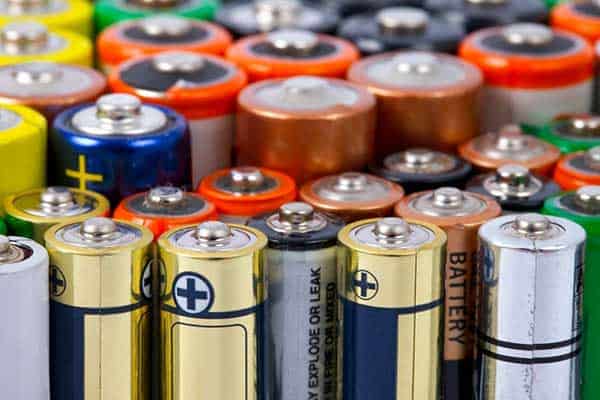
The Middle East Battery Market is experiencing significant growth, driven by the rapid expansion of renewable energy projects, electric vehicle (EV) adoption, and energy storage systems (ESS). The region’s increasing focus on sustainability, backed by government initiatives and private sector investments, is positioning the Middle East as a key player in the global battery market.
According to industry estimates, the Middle East battery market is projected to reach USD 26.47 billion by 2030, growing at a compound annual growth rate CAGR of 16.09%. Key markets within the region, including Saudi Arabia, the United Arab Emirates (UAE), Qatar, Egypt, and Israel, are making significant strides in battery technology development, energy storage integration, and electric mobility.
The Middle East Battery Market has traditionally been known for its oil and gas industry, but a growing commitment to diversifying energy sources has led to an accelerated push for clean energy and battery storage solutions. Several governments in the region are actively investing in solar and wind energy, requiring advanced battery technologies for grid stabilization and backup power.
Click Here for Your FREE Sample!
Key Market Drivers
1. Expansion of Renewable Energy and Energy Storage Systems (ESS)
The Middle East is investing heavily in renewable energy projects, particularly solar and wind power, to meet growing electricity demand and reduce reliance on fossil fuels. Countries like Saudi Arabia and the UAE are leading the charge with ambitious solar power projects, including the Mohammed bin Rashid Al Maktoum Solar Park in Dubai and Saudi Arabia’s NEOM city project, which incorporates large-scale energy storage solutions.
2. Growing Adoption of Electric Vehicles (EVs)
The Middle East is witnessing a surge in electric vehicle adoption, driven by government incentives and investments in EV charging infrastructure. Countries like the UAE, Saudi Arabia, and Israel are introducing policies that encourage EV ownership, reduce emissions, and establish local EV manufacturing capabilities.
- Saudi Arabia has set a goal to have 30% of Riyadh’s vehicles electric by 2030.
- The UAE is offering tax breaks and subsidies for EV buyers while expanding its charging station network.
- Israel has announced plans to phase out gasoline and diesel cars by 2030 in favor of electric alternatives.
This shift is fueling demand for lithium-ion batteries, which are widely used in EVs due to their high energy density, lightweight design, and long lifespan.
3. Industrial and Commercial Demand for Backup Power
Battery solutions are increasingly being adopted in commercial and industrial sectors for backup power and operational efficiency. With extreme temperatures in the Middle East leading to high energy consumption, battery storage systems are being used to enhance power reliability in manufacturing plants, data centers, hospitals, and telecom networks.
4. Military and Aerospace Applications
The defense and aerospace industries in the Middle East are also driving battery market growth. Countries like Saudi Arabia and the UAE are investing in high-performance battery technologies for military drones, unmanned ground vehicles (UGVs), and advanced communication systems.
Battery Technologies in the Middle East
1. Lithium-Ion Batteries (Li-Ion)
- Dominant technology in EVs, energy storage systems, and consumer electronics.
- Increasing investments in local lithium-ion battery production to reduce import dependence.
- Used in grid-scale energy storage projects to support renewable energy integration.
2. Lead-Acid Batteries
- Commonly used in automotive, industrial, and backup power applications.
- Preferred for telecom towers, UPS systems, and large-scale infrastructure projects due to cost-effectiveness.
- Still relevant despite the growing shift toward lithium-based alternatives.
3. Sodium-Ion Batteries
- Emerging as an alternative to lithium-ion batteries, particularly for energy storage applications.
- More sustainable and cost-effective, making them attractive for solar power plants and large-scale energy projects.
- Increasing R&D investments in the Middle East for commercial-scale deployment.
4. Solid-State Batteries
- Advanced solid-state batteries are gaining traction for EVs and aerospace applications due to their higher safety and energy efficiency.
- Ongoing collaborations between universities, research institutions, and battery manufacturers to commercialize this technology.
Challenges Facing the Middle East Battery Market
Despite strong growth prospects, several challenges must be addressed:
- Limited Raw Material Availability
- The Middle East relies on imported lithium, cobalt, and nickel, which can lead to supply chain vulnerabilities.
- Investments in battery recycling and alternative materials are needed to reduce dependence on foreign suppliers.
- High Initial Costs
- While battery prices have declined, the upfront cost of lithium-ion battery production and storage systems remains a barrier to mass adoption.
- Governments are working to provide subsidies and incentives to accelerate market penetration.
- Infrastructure Development for EVs
- The lack of a widespread EV charging network is slowing EV adoption in some parts of the region.
- Investments in fast-charging stations and battery swapping technologies are required to improve accessibility.
- Battery Recycling and Sustainability
- Proper recycling infrastructure is underdeveloped in many Middle Eastern countries, posing environmental concerns.
- Several governments are considering battery recycling regulations and policies to promote a circular economy.
Key Market Players and Investments
Leading global and regional companies are investing heavily in the Middle East’s battery market to capitalize on the region’s growing demand.
Key Companies in the Market:
- Tesla (Energy storage and EVs)
- CATL (Battery manufacturing)
- LG Energy Solution (EV and industrial batteries)
- Panasonic (Lithium-ion batteries)
- Middle East Battery Company (MEBCO) (Lead-acid battery manufacturer in Saudi Arabia)
- Noor Energy 1 (Energy storage solutions in UAE)
Conclusion
The Middle East Battery Market is at the forefront of a transformative shift, with growing investments in renewable energy, electric mobility, and industrial battery applications. As countries in the region diversify their energy sources and commit to sustainability goals, battery storage solutions will be critical enablers of progress.
