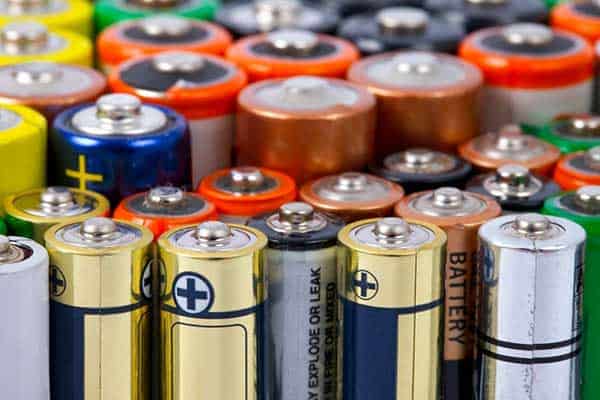
The Asia-Pacific Battery Market is experiencing unprecedented growth, fueled by the rising demand for electric vehicles (EVs), expanding renewable energy projects, and advancements in battery technology. With major economies such as China, Japan, South Korea, and India leading global battery production and innovation, the APAC region is set to dominate the battery industry in the coming decade.
The market is expected to grow at a compound annual growth rate (CAGR) of 14.7%, reaching a valuation of USD 133.60 billion by 2030. As governments push for sustainability, electric mobility, and energy storage solutions, the demand for lithium-ion, solid-state, and alternative battery technologies is surging across multiple sectors, including automotive, industrial, consumer electronics, and power storage.
Market Overview
The Asia-Pacific region is the epicenter of the global battery industry, home to the largest battery manufacturers and leading innovators in energy storage technology. Key factors driving the market include:
- Surging electric vehicle adoption – Strong government incentives and expanding EV infrastructure are accelerating battery demand.
- Expanding renewable energy projects – The need for efficient energy storage solutions is driving large-scale investments.
- Technological advancements in battery chemistry – Innovations in solid-state, sodium-ion, and lithium-sulfur batteries are reshaping the market.
- Dominance in battery manufacturing – Countries like China, South Korea, and Japan account for over 80% of global lithium-ion battery production.
- Strong government policies and investments – Supportive regulations and funding initiatives are boosting local manufacturing and R&D.
Key Market Drivers
1. Rapid Growth of Electric Vehicles (EVs) and E-Mobility
The Asia-Pacific Battery Market, with China being the largest producer and consumer of electric cars. Other nations, including Japan, South Korea, and India, are also expanding their EV sectors through policy support, infrastructure investments, and local manufacturing.
Click Here for Your FREE Sample!
Key trends include:
- China’s dominance in EV production – Over 50% of the world’s EVs are manufactured in China, with companies like CATL and BYD leading battery production.
- South Korea’s battery innovation – LG Energy Solution, Samsung SDI, and SK Innovation are investing heavily in next-gen battery technologies.
- India’s push for EV adoption – The Faster Adoption and Manufacturing of Hybrid and Electric Vehicles (FAME) scheme is driving domestic EV production and battery manufacturing.
2. Rising Demand for Energy Storage Solutions (ESS)
With the expansion of renewable energy projects, energy storage systems (ESS) have become a critical component in managing grid stability and power supply efficiency.
- China and Japan’s leadership in grid storage – Large-scale lithium-ion battery storage projects are helping integrate solar and wind energy into national grids.
- Growing adoption of home and commercial energy storage – Countries like Australia and South Korea are witnessing rising demand for residential and industrial battery storage solutions.
- Hybrid energy solutions for remote areas – Battery-backed microgrids are being deployed in rural and island communities to provide sustainable power.
ESS investments are expected to rise significantly, reinforcing the Asia-Pacific region’s role as a global leader in Renewable Energy storage solutions.
Click Here for Your FREE Sample!
3. Strong Government Support and Incentives
Governments across the Asia-Pacific region are implementing policies and incentives to accelerate the growth of the battery market. These include:
- China’s New Energy Vehicle (NEV) Policy – Offering subsidies for EV manufacturing and battery technology innovation.
- Japan’s Green Growth Strategy – Promoting battery recycling and next-generation battery research.
- India’s Production-Linked Incentive (PLI) Scheme – Encouraging local battery production and reducing import dependence.
- South Korea’s Investment in Battery R&D – Focused on solid-state and high-capacity battery development.
Market Segmentation
By Battery Type:
- Lithium-Ion Batteries – Dominating the market due to their high energy density and widespread use in EVs and consumer electronics.
- Lead-Acid Batteries – Retaining demand in automotive and industrial backup power applications.
- Sodium-Ion Batteries – Emerging as a cost-effective alternative for grid storage and commercial applications.
- Solid-State Batteries – Gaining traction as next-generation solutions for EVs and high-performance applications.
By Application:
- Electric Vehicles (EVs) & Transportation – The largest segment driving battery demand.
- Energy Storage Systems (ESS) – Expanding to support renewable energy integration.
- Consumer Electronics – Powering smartphones, laptops, and wearable devices.
- Industrial Applications – Used in heavy machinery, robotics, and defense technologies.
By Country:
- China – The global leader in battery production, EV adoption, and raw material supply.
- Japan – A hub for battery innovation, with major players investing in solid-state and high-performance batteries.
- South Korea – Dominating lithium-ion battery exports and next-gen technology development.
- India – Rapidly expanding its battery manufacturing base to support domestic EV growth.
- Australia – Emerging as a major lithium supplier and investing in battery value-chain development.
Key Players in the APAC Battery Market
The Asia-Pacific battery market is dominated by leading global manufacturers, including:
- Contemporary Amperex Technology Co. Ltd. (CATL) – The world’s largest lithium-ion battery manufacturer.
- BYD Company Limited – A major EV battery producer with a strong presence in China.
- LG Energy Solution – A South Korean giant investing in next-gen battery technology.
- Samsung SDI – Focused on high-performance EV and industrial batteries.
- Panasonic Corporation – A leader in EV battery supply, partnering with Tesla and other automakers.
- Toshiba Corporation – Innovating in solid-state and fast-charging battery solutions.
- Amara Raja Batteries & Exide Industries – Key players in India’s lead-acid and lithium-ion battery sectors.
Challenges and Opportunities
Challenges:
- Supply chain disruptions – Geopolitical tensions and raw material shortages affecting production.
- High production costs – Lithium-ion and solid-state battery technologies remain expensive.
- Environmental concerns – Battery recycling and disposal pose sustainability challenges.
Opportunities:
- Advancements in battery recycling – Governments and companies are investing in circular economy solutions.
- Expansion of gigafactories – Large-scale battery manufacturing facilities are increasing production capacity.
- Breakthroughs in alternative battery technologies – Solid-state, sodium-ion, and lithium-sulfur batteries could reshape the market.
Future Outlook
The Asia-Pacific battery market is set to witness exponential growth, driven by technological advancements, government policies, and increasing demand for energy-efficient solutions. Key trends shaping the future include:
- Continued dominance of China in EV and battery production.
- Expansion of battery manufacturing in India and Southeast Asia.
- Increased adoption of solid-state and alternative battery chemistries.
- Rising investments in energy storage projects to support renewable integration.
As the APAC region cements its position as the global battery powerhouse, companies and investors have significant opportunities to capitalize on the expanding market landscape.
Conclusion
The Asia-Pacific battery market is at the forefront of global energy transformation, with increasing demand from the EV, renewable energy, and industrial sectors. With strong government support, technological innovations, and a robust manufacturing ecosystem, the region is well-positioned to shape the future of energy storage and sustainable mobility.