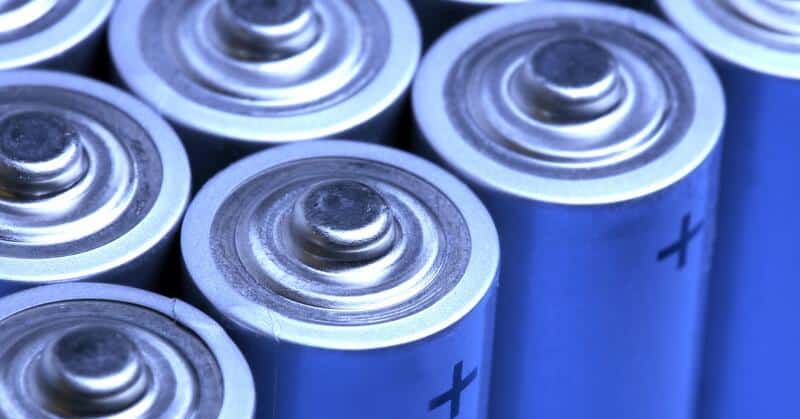
The Australian Battery Market is on the cusp of significant growth, driven by increasing demand for electric vehicles (EVs), advancements in renewable energy integration, and innovations in energy storage technologies. As Australia transitions toward a greener future, the demand for efficient and high-performance battery solutions is expected to soar. This press release delves into the key drivers, challenges, and opportunities within the Australian battery market, offering a comprehensive outlook on its future trajectory. The market is projected to reach USD 4.01 billion by 2030, growing at a CAGR of 12.4% over the forecast period.
The Australia Battery Market is witnessing rapid transformation, with the country emerging as a key player in the global energy storage and electric vehicle industries. The market is poised for exponential growth in the coming years, driven by several factors including the expansion of EV adoption, the rising need for renewable energy storage solutions, and increasing investments in battery manufacturing and infrastructure.
Click Here for Your FREE Sample!
Key Market Drivers
- Growing Adoption of Electric Vehicles (EVs)
The electric vehicle market in Australia is rapidly expanding, with both government policies and consumer interest driving the shift towards sustainable transportation solutions. In recent years, Australia has seen a significant increase in the sale of electric vehicles, as well as the introduction of policies aimed at accelerating EV adoption. This includes incentives for consumers and manufacturers, as well as funding for EV infrastructure, including charging stations.
- Renewable Energy Integration and Energy Storage Systems
Australia is rich in renewable energy resources, including solar, wind, and hydroelectric power, making energy storage systems (ESS) essential for efficiently integrating renewable energy into the national grid. Batteries are critical in storing excess energy produced during peak generation times, allowing for a steady and reliable power supply during periods of high demand or when renewable sources are not generating energy.
Market Segmentation
By Battery Type:
- Lithium-Ion Batteries
Lithium-ion batteries are the dominant battery technology in Australia, particularly in the electric vehicle and energy storage sectors. These batteries offer high energy density, longer life cycles, and faster charging times compared to traditional lead-acid batteries, making them the preferred choice for a wide range of applications. With Australia’s significant lithium reserves, the country is well-positioned to continue leading the production and supply of lithium-ion batteries.
- Lead-Acid Batteries
Lead-acid batteries have a long history of use in the automotive industry and are also commonly used in backup power applications. While their demand is declining in favor of more advanced battery technologies, they remain a key player in specific sectors such as off-grid energy storage and emergency backup systems.
- Solid-State Batteries
Solid-state batteries are emerging as the next generation of battery technology. Offering greater energy density, enhanced safety, and longer lifespan, solid-state batteries have the potential to revolutionize both the electric vehicle and energy storage markets. Australia is investing in research and development to foster the commercialization of solid-state batteries, with the aim of becoming a leader in this space.
By Application:
- Electric Vehicles
The electric vehicle market is the largest and fastest-growing application segment in Australia’s battery market. With growing consumer demand for EVs, as well as significant investments in EV infrastructure, the battery market for electric vehicles is expected to continue expanding rapidly. Both passenger vehicles and commercial electric vehicles are driving demand for high-performance lithium-ion batteries.
- Energy Storage Systems
Energy storage systems (ESS) are crucial for balancing the supply and demand of renewable energy, particularly solar and wind power. As Australia continues to transition to cleaner energy sources, the need for large-scale energy storage projects and home battery systems will grow. Batteries are key to enabling the storage of excess renewable energy for later use, improving grid reliability, and supporting energy independence.
- Consumer Electronics
Batteries are essential in powering the wide range of consumer electronic devices, including smartphones, laptops, tablets, and wearable devices. While this market is more mature compared to electric vehicles and energy storage, demand for batteries in consumer electronics remains strong, driven by the constant innovation and release of new devices.
- Industrial Applications
Industrial applications, including backup power systems, uninterruptible power supplies (UPS), and material handling equipment, also drive demand for batteries in Australia. As industries continue to automate and transition to electric-powered machinery, the need for reliable and high-performance batteries in industrial applications will continue to rise.
Key Players in the Australian Battery Market
Several key players are shaping the Australian battery market, including:
- Redflow Limited – An Australian company focused on developing and manufacturing zinc-bromine flow batteries for use in residential, commercial, and industrial applications.
- Hydro Tasmania – A leader in renewable energy and energy storage solutions, Hydro Tasmania is involved in several large-scale battery storage projects.
- Australia’s Lithium Producers – Companies such as Pilbara Minerals, Tianqi Lithium, and Orocobre are leading the production of lithium, a critical component of lithium-ion batteries.
- Tesla – A global leader in electric vehicles and energy storage solutions, Tesla has made significant investments in battery manufacturing in Australia, including its installation of the world’s largest lithium-ion battery storage facility in South Australia.
- AGL Energy – One of Australia’s largest energy companies, AGL Energy is heavily involved in large-scale battery storage projects to support renewable energy integration.
Challenges and Opportunities
Challenges:
- Supply Chain Disruptions – Global supply chain disruptions, including shortages of raw materials like lithium and cobalt, are posing challenges for battery manufacturers.
- High Initial Costs – Although battery prices have been decreasing, the high upfront costs of battery systems remain a barrier for widespread adoption, particularly in residential energy storage.
- Environmental Impact – The environmental impact of battery production and disposal remains a concern, with growing emphasis on the need for better recycling and sustainability practices in the industry.
Opportunities:
- Expanding Battery Manufacturing Capacity – As demand for batteries grows, there is a significant opportunity for Australia to develop local manufacturing capacity to reduce reliance on imports and create a self-sustaining battery ecosystem.
- Innovations in Battery Technology – Ongoing research and development in alternative battery technologies, such as solid-state and sodium-ion batteries, present opportunities for Australia to lead the way in next-generation energy storage solutions.
Conclusion
Australia’s battery market is on the verge of a transformative period, with major drivers such as EV adoption, renewable energy integration, and government support shaping its future growth. As the country accelerates its transition to cleaner energy solutions, the demand for high-performance batteries will continue to rise.
