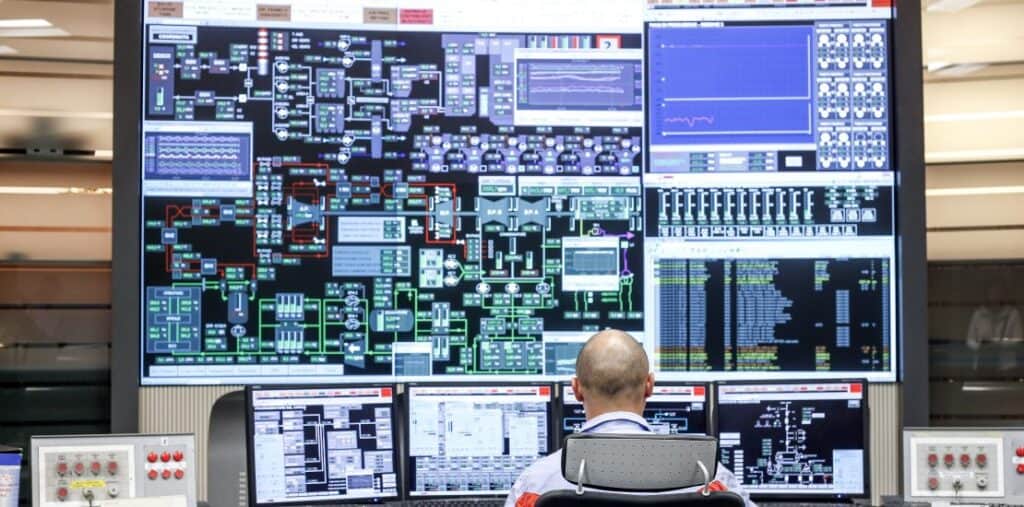
According to Next Move Strategy Consulting, the Japan Distributed Control System (DCS) Market is poised for robust growth, with a projected increase to USD 1011.4 million by 2030, reflecting a Compound Annual Growth Rate (CAGR) of 6.4% by 2030. This surge in demand for DCS solutions is driven by a combination of factors, including advancements in industrial automation, a shift towards renewable energy, and the growing trend of Industry 4.0 integration across sectors.
Understanding Distributed Control Systems (DCS)
A Distributed Control System (DCS) is a computer-based control system used widely across industrial operations to automate processes and ensure efficient and secure operations. DCS systems are composed of a network of controllers that communicate seamlessly throughout an industrial facility, allowing for decentralized process control. These systems are essential in industries such as chemicals, petrochemicals, pharmaceuticals, food and beverages, and power generation.
DCS solutions are critical in large-scale operations requiring high levels of automation and control, such as oil refineries, chemical plants, and power stations. These systems monitor and control complex processes, such as drilling, refining, blending, and manufacturing, with an emphasis on precision, efficiency, and safety.
By distributing control functions, DCS systems offer redundancy and fault tolerance, allowing processes to continue even in the event of a controller failure. The adoption of DCS not only enhances process control and operational efficiency but also contributes to improved safety standards and reduced downtime. Additionally, these systems play a key role in predictive maintenance, gathering and analyzing sensor data to optimize processes and minimize interruptions.
The Impact of Renewable Energy Trends: DCS in Solar Power Management
One of the most notable factors driving the Japan Distributed Control System (DCS) Market is the country’s increasing adoption of renewable energy, particularly solar power. Solar power plants demand sophisticated control systems due to the inherent variability in energy production. DCS systems are well-suited for this task, providing real-time monitoring and control to manage fluctuations in power output, ensuring grid stability and operational efficiency.
Try it Risk-Free – Download Your FREE Sample!
A prime example of this growing trend is the commercial operation of a 51-megawatt (MW) solar power plant in Tsu, Mie Prefecture, Japan, which began in February 2023. The plant, managed by TotalEnergies, supplies power to Chubu Electric Power Miraiz Co. Inc. through a long-term power purchase agreement. Such projects highlight the importance of DCS in managing renewable energy resources effectively.
Japan Role in Industry 4.0: DCS as a Key Enabler of Digital Transformation
Japan’s commitment to embracing Industry 4.0 – the integration of AI, IoT, and automation technologies into manufacturing processes – is a key driver of the DCS market. Distributed Control Systems are central to Industry 4.0 as they enable real-time monitoring, intelligent control, and data-driven decision-making. By enhancing operational efficiency, DCS solutions are helping Japanese industries remain globally competitive and adapt to the demands of smart manufacturing.
DCS systems also empower organizations to make data-driven decisions, leading to increased flexibility, higher productivity, and improved agility. These systems facilitate advanced automation capabilities that are integral to meeting the complex demands of modern industries such as pharmaceuticals, chemicals, and automotive manufacturing.
Cybersecurity Challenges: Risks and Market Constraints
While the benefits of DCS systems are clear, there are notable risks associated with their widespread implementation. As these systems rely on complex networks and computer-based infrastructure, they are vulnerable to cyberattacks. Unauthorized access or system disruptions can have devastating effects on critical industries like power generation, oil and gas, and chemicals, where even minor disruptions can have serious safety and environmental consequences.
As industries increasingly rely on DCS systems for their mission-critical processes, there is a pressing need for enhanced cybersecurity measures. Companies operating DCS solutions must prioritize the protection of sensitive data and infrastructure against cyber threats to mitigate the risk of financial losses, reputation damage, and operational downtime.
Modular DCS Systems: A Shift Towards Customization and Scalability
The introduction of modular and flexible DCS systems is opening new doors for industries seeking customized, cost-effective automation solutions. Traditionally, DCS systems have been large, centralized, and expensive to implement. However, modular DCS systems allow for greater flexibility, scalability, and integration with other systems, enabling organizations to meet specific needs without the hefty costs associated with traditional systems.
These modular solutions can be tailored to the precise requirements of individual industries, improving production efficiency, reducing costs, and enhancing product quality. ABB’s modular-enabled process automation solution is a prime example, offering an orchestration layer combined with Module Type Packages (MTP) technology. This solution enables industries such as mining, pharmaceuticals, and biotechnology to access automation capabilities that are more adaptable and cost-effective compared to traditional Programmable Logic Controllers (PLCs) or DCS systems.
Competitive Landscape: Key Players in Japan’s DCS Market
The Japan Distributed Control System market is highly competitive, with numerous key players offering a diverse range of solutions. Prominent companies shaping the market include:
- Yokogawa Electric Corporation
- Hitachi Ltd.
- Omron Corporation
- Emerson Electric Co.
- Mitsubishi Electric Corporation
- ABB Ltd.
- Rockwell Automation Inc.
- Honeywell International Inc.
- Valmet OYJ
- Toshiba Corporation
- Schneider Electric SE
- General Electric
- Ingeteam Corporation S.A
- Azbil Corporation
- Siemens AG
These companies are playing a pivotal role in the development and deployment of DCS systems, offering innovative solutions tailored to the needs of industries in Japan and beyond.
Market Segmentation: Key Insights into DCS Demand
The Japan DCS market can be segmented by several factors, including:
- By Component
- Hardware (Controller, I/O, Workstation, Networking Hardware)
- Software
- Services (Integration and Implementation, Managed Services, Support, and Consultation)
- By Application
- Batch Processing
- Continuous Process
- By Project Type
- New Construction
- Replacement
- Upgrade and Expansion
- By End-User Industry
- Oil & Gas
- Chemicals & Refining
- Energy & Power
- Pulp & Paper
- Metals & Mining
- Pharmaceuticals & Biotech
- Food & Beverages
- Cement & Glass
- Water & Wastewater
- Others
Market Outlook: Forecast to 2030
The Japan Distributed Control System market is forecast to continue its growth trajectory, driven by technological advancements, the shift towards Industry 4.0, and the increasing adoption of renewable energy sources. With a projected market size of USD 1.01 billion by 2030, the industry is well-positioned to support Japan’s industrial transformation, particularly in sectors requiring high-level automation and process control.
Conclusion: A Critical Growth Opportunity for Japan’s Industrial Landscape
Japan’s Distributed Control System market is witnessing a dynamic shift, driven by both technological advancements and the growing demand for smarter, more efficient manufacturing and energy solutions. With an expected CAGR of 6.4% from 2024 to 2030, DCS systems are set to play an integral role in Japan’s industrial future, enabling industries to automate processes, enhance safety, and maximize efficiency.
The market is also exploring new opportunities through modular and flexible DCS systems, allowing for more cost-effective solutions that cater to specific industry needs. As companies continue to embrace Industry 4.0 and renewable energy solutions, the Japan DCS market will remain a cornerstone of technological progress and industrial innovation.