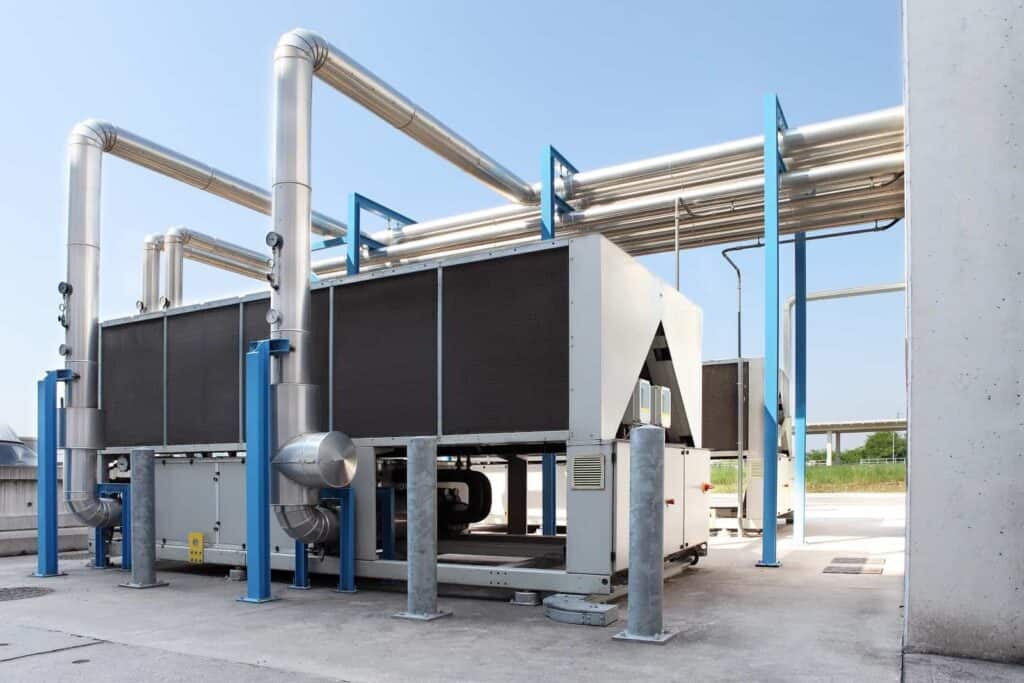
According to Next Move Strategy Consulting, the Singapore Air Handling Unit (AHU) Market, a crucial segment of the heating, ventilation, and air conditioning (HVAC) industry, is poised for substantial growth. The AHU market is projected to reach USD 86.6 million by 2030, growing at a compound annual growth rate (CAGR) of 6.6% by 2030.
Air Handling Units are integral components of HVAC systems, responsible for regulating airflow, maintaining optimal indoor temperatures, and ensuring air quality. By collecting air from both the outside and inside of buildings, AHUs remove contaminants, adjust temperature and humidity, and then distribute conditioned air through ducts. This functionality is essential in commercial, industrial, and residential sectors.
Increasing Demand for HVAC Systems Drives Market Growth
The growing demand for HVAC systems is a key driver propelling the AHU market in Singapore. The demand for HVAC solutions, particularly in residential, commercial, and industrial settings, has been rising steadily due to several factors, including urbanization, shifting weather patterns, and heightened awareness of indoor air quality.
As populations expand and living standards improve globally, the necessity for efficient climate control systems has become more apparent. AHUs, as vital components of HVAC systems, regulate temperature, humidity, and air circulation, thereby ensuring the comfort and health of building occupants. The emphasis on sustainable living, energy-efficient solutions, and enhancing indoor air quality further accelerates the adoption of AHUs across various sectors.
Growing Construction Industry Fuels AHU Market Expansion
The rapid growth of Singapore’s construction industry is significantly boosting the AHU market. As urbanization and economic development continue, there is an increasing demand for residential, commercial, and industrial buildings. Each of these new and renovated structures requires an HVAC system, with AHUs playing an essential role in maintaining indoor climate control.
As construction projects evolve to meet contemporary environmental and sustainability standards, the need for high-performance HVAC systems, including advanced AHUs, has grown. Whether it is the development of new infrastructure or the modernization of existing buildings, AHUs are integral to meeting modern indoor climate requirements. The expansion of the construction industry remains a key factor supporting the robust growth of the AHU market in Singapore.
Challenges of High Investment Costs and Maintenance
Despite the positive market outlook, the AHU industry faces challenges stemming from high investment costs and regular maintenance needs. The upfront capital required for acquiring and installing AHUs, especially for large-scale projects, can be substantial. These costs cover the purchase of the AHU units, ductwork, controls, installation labor, and potential modifications to existing infrastructure.
Ongoing maintenance, including the replacement of filters, servicing, and preventive upkeep, further adds to the total cost of ownership. The complexity of modern AHU systems also requires specialized knowledge for maintenance and operation, which can result in additional costs for building owners and operators.
These financial challenges may discourage some potential customers, particularly in cases where budget constraints or the availability of alternative HVAC options exist. As a result, high costs and maintenance concerns remain critical factors limiting market expansion, particularly for smaller-scale applications.
IoT Integration: A Game Changer for the AHU Market
In response to market demands for smarter, more energy-efficient solutions, the integration of Internet of Things (IoT) technology into AHUs is expected to create significant new opportunities. Modern AHUs are evolving from basic climate control units to intelligent, network-connected systems capable of optimizing HVAC performance through advanced data analytics and machine learning algorithms.
With IoT integration, AHUs can incorporate sensors that monitor real-time parameters such as temperature, humidity, and air quality. These sensors enable the remote monitoring and control of AHU performance, allowing technicians and building managers to identify issues and optimize system efficiency before they lead to system failures. IoT-enabled AHUs can also provide predictive maintenance, ensuring that potential problems are addressed proactively, thereby reducing downtime and repair costs.
This technological evolution promises significant advantages, including enhanced energy efficiency, improved system performance, and long-term operational cost savings. By making AHUs smarter, more responsive, and adaptable to changing conditions, IoT integration is set to redefine the role of AHUs in modern HVAC systems and unlock new avenues for growth in the Singapore market.
Competitive Landscape
The Singapore AHU Market is characterized by the presence of several key players, each vying for market share with their innovative products and solutions. Major companies operating in the market include:
Explore the Benefits with a FREE Sample!
- Daikin Industries, Ltd.
- Carrier Global Corporation
- Trane Technologies
- Midea Group
- Johnson Controls
- Lennox International
- Stulz GmbH
- Rheem Manufacturing Company
- Sinko Industries Ltd.
- Systemair AB
These companies, alongside others, are continually working to enhance their product offerings, particularly in areas such as energy efficiency, smart technology integration, and customer-centric service offerings. As the market expands, competition is expected to intensify, with key players investing heavily in R&D and strategic partnerships to capture a larger share of the growing AHU market.
Market Segmentation
The Singapore AHU market is segmented based on several factors, including type, installation location, capacity, and application:
- By Type:
- Packaged
- Modular
- Custom
- By Installation:
- Rooftop
- Indoor
- By Capacity:
- ≤ 5,000 M3/H
- 5,001 – 15,000 M3/H
- 15,001 – 30,000 M3/H
- 30,001 – 50,000 M3/H
- ≥ 50,001 M3/H
- By Application:
- Commercial
- Industrial
- Residential
Market Outlook
The Singapore AHU market is expected to continue its growth trajectory, driven by several key factors, including the rising demand for HVAC systems, the expansion of the construction industry, and the increasing adoption of smart, IoT-enabled technologies in HVAC systems.
With the market projected to reach USD 86.6 million by 2030, the next several years will witness significant advancements in AHU technology, increased investment in energy-efficient solutions, and a continued emphasis on improving air quality and system performance. While challenges related to high investment costs and maintenance persist, the growing demand for sustainable, cost-effective, and high-performance HVAC solutions will fuel further market expansion.
