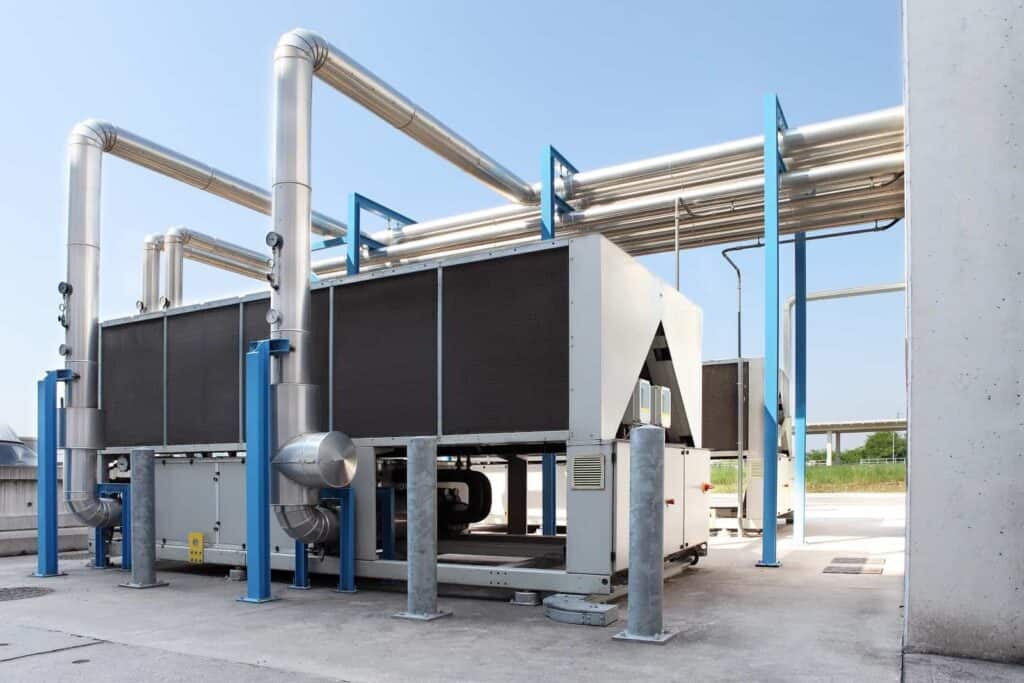
According to Next Move Strategy Consulting, the South Korea Air Handling Unit (AHU) market, is on track for substantial growth, forecasted to reach USD 320.4 million by 2030, at a robust CAGR of 5.3% by 2030. This significant expansion reflects the growing demand for efficient climate control systems and the rising emphasis on energy-efficient, sustainable building solutions across various sectors in South Korea.
Market Overview
Air Handling Units (AHUs) are integral components of heating, ventilation, and air conditioning (HVAC) systems, tasked with regulating airflow and ensuring optimal indoor air quality. AHUs play a crucial role in adjusting temperature, humidity, and air circulation, while also removing dust and particles from the air to maintain a healthy and comfortable indoor environment. From large commercial buildings and industrial sites to residential homes, AHUs are indispensable in creating balanced and controlled living and working spaces.
As South Korea continues to prioritize environmental sustainability, energy efficiency is emerging as a key factor driving the growth of the South Korea Air Handling Unit (AHU) Market. The demand for efficient HVAC solutions is on the rise, with businesses and homeowners increasingly seeking systems that optimize energy consumption without compromising on performance. In particular, the integration of advanced technologies such as variable air volume (VAV) systems and energy recovery solutions is revolutionizing AHU design, allowing for precise control over energy usage and improved system efficiency.
Get Instant Access to a FREE Sample!
Key Growth Drivers
- Energy Efficiency and Environmental Sustainability
The growing awareness of energy efficiency is a pivotal factor fueling the AHU market’s expansion. In response to environmental concerns and rising energy costs, consumers and organizations alike are prioritizing energy-efficient solutions that can reduce their carbon footprint while cutting down on operational expenses. AHUs equipped with cutting-edge energy-saving features, such as energy recovery ventilators and intelligent sensors, are becoming more commonplace as they support eco-friendly building practices and help achieve sustainability certifications such as LEED (Leadership in Energy and Environmental Design). The ongoing push for green building certifications and compliance with stringent energy efficiency regulations are further accelerating the demand for high-performance AHUs. - Rising Demand for HVAC Systems
With South Korea’s expanding urban population, improving standards of living, and unpredictable weather patterns, the demand for HVAC systems is at an all-time high. AHUs, which are core components of HVAC systems, help regulate indoor temperatures and air quality, making them essential in both residential and commercial settings. The growing need for comfort and health in indoor environments is propelling this demand. In particular, industries focused on office buildings, retail spaces, hospitality, healthcare, and manufacturing sectors are investing heavily in robust HVAC systems to enhance indoor climate control. - Smart Technology Integration: IoT-Enabled AHUs
Another transformative trend in the South Korean AHU market is the integration of Internet of Things (IoT) technologies. By incorporating sensors and advanced analytics, IoT-enabled AHUs provide real-time monitoring of temperature, humidity, and air quality. This shift toward smart AHUs allows building managers to remotely control HVAC systems, identify potential issues before they occur, and optimize overall system efficiency. IoT-enabled AHUs also enable predictive maintenance through data analytics and machine learning, reducing downtime and ensuring long-term reliability. The move towards intelligent, connected systems presents a unique opportunity for growth and innovation in the AHU market, positioning it at the forefront of the evolving HVAC industry.
Challenges to Market Growth
Despite its promising growth, the South Korea AHU market faces challenges, particularly the high upfront costs associated with purchasing and installing AHUs. The substantial initial investment required for purchasing AHUs, coupled with installation expenses, can deter smaller businesses or homeowners from upgrading their HVAC systems. For these segments, AHUs may seem cost-prohibitive, leading them to consider less expensive alternatives or delay system upgrades. To address this challenge, industry stakeholders are focused on developing more affordable AHU models and offering flexible financing options to make these systems more accessible to a broader range of customers.
Market Segmentation
The South Korea AHU market can be segmented based on type, installation location, capacity, and application:
- By Type:
- Packaged
- Modular
- Custom
- By Installation Location:
- Rooftop
- Indoor
- By Capacity:
- ≤ 5,000 M3/H
- 5,001 – 15,000 M3/H
- 15,001 – 30,000 M3/H
- 30,001 – 50,000 M3/H
- ≥ 50,001 M3/H
- By Application:
- Commercial
- Industrial
- Residential
Each of these segments contributes uniquely to the overall growth of the AHU market, driven by evolving customer needs for energy efficiency, climate control, and air quality across various environments.
Competitive Landscape
The South Korea AHU market is highly competitive, with key players striving to meet the diverse needs of the commercial, industrial, and residential sectors. Major global players include:
- Daikin Industries, Ltd.
- Carrier Global Corporation
- Trane Technologies
- Midea Group
- Johnson Controls
- Lennox International
- Stulz GmbH
- Rheem Manufacturing Company
- Sinko Industries Ltd.
- Systemair AB
These companies are actively investing in research and development, exploring new technologies to enhance AHU efficiency, and expanding their product portfolios to meet the growing demand for smarter, more sustainable solutions.
Future Outlook and Opportunities
The outlook for the South Korea AHU market remains strong, as energy efficiency, smart technology, and environmental sustainability continue to drive consumer preferences. Market participants are capitalizing on these trends by investing in the development of advanced, IoT-enabled AHUs that deliver superior performance, improved energy management, and cost-effective operation.
As the market grows, opportunities abound for innovation and market expansion. With increased urbanization, evolving regulatory frameworks, and rising environmental consciousness, AHUs will become even more integral to the built environment, offering enhanced functionality and contributing to sustainable practices in South Korea’s diverse sectors.
Conclusion
With key drivers including energy efficiency, the rise in HVAC system demand, and the integration of IoT technologies, the AHU market is set to revolutionize the way air handling and indoor climate control are approached. Despite challenges like high upfront costs, the market is poised for significant opportunities as innovation and sustainability remain at the forefront of industry development.
