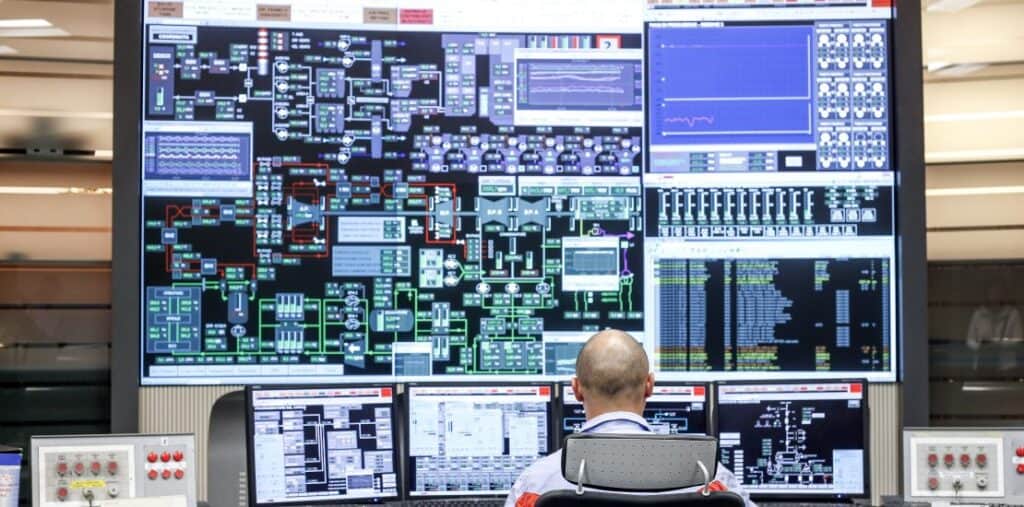
According to Next Move Strategy Consulting, the Sweden Distributed Control System (DCS) market is set for sustained growth, with projections indicating a rise to USD 819.69 million by 2030. The market is expected to register a compound annual growth rate (CAGR) of 3.2% by 2030, driven by key advancements in automation, renewable energy, and sustainable industry practices. Distributed Control Systems, central to industrial automation, are poised to play a pivotal role in Sweden’s continued success in sectors such as energy, manufacturing, and process industries.
The Role of DCS in Industrial Automation
A Distributed Control System (DCS) is a vital component of modern industrial automation. It is a network of controllers spread across an industrial facility that helps automate and regulate processes. These systems are used extensively in industries like oil and gas, chemical, petrochemical, pharmaceuticals, food and beverage, and power generation. By decentralizing control, DCS enables real-time process monitoring, predictive maintenance, and fault tolerance. This level of automation not only enhances operational efficiency but also significantly reduces downtime, while ensuring safety and reliability in critical industrial operations.
In large-scale industrial settings, including oil refineries, chemical plants, and power stations, DCS systems oversee a range of complex operations such as refining, drilling, blending, manufacturing, filtration, and disinfection. The deployment of DCS systems ensures high precision and reliability, while also optimizing production schedules and minimizing risks associated with human error.
Sweden’s Sustainability Leadership Fuels DCS Growth
Sweden has long been recognized as a global leader in sustainability, driven by its commitment to renewable energy, clean technologies, and circular economy practices. The country’s energy grid is largely powered by renewable sources, with over 60% of its electricity coming from green energy, and 98% of its electricity supply being fossil-free. This commitment to sustainability has created a conducive environment for the adoption of Distributed Control Systems (DCS), which play a critical role in optimizing renewable energy operations.
Sweden’s focus on sustainable practices has seen the integration of DCS solutions in various infrastructure projects, supporting the country’s commitment to reducing emissions and increasing energy efficiency. The ongoing push for cleaner energy solutions is reflected in the nation’s ambitious plans to construct additional nuclear and wind power plants. In particular, Sweden’s January 2023 announcement to build new nuclear power plants is expected to generate a surge in demand for advanced DCS solutions that can effectively manage these complex, large-scale energy systems.
Nuclear and Wind Power Initiatives Drive DCS Market Demand
Sweden’s increasing investments in nuclear and wind power plants are anticipated to further fuel the DCS market. The decision to build new nuclear power plants comes at a time when Sweden is grappling with high electricity prices and seeks to achieve carbon-free energy generation for its industrial sector. Alongside nuclear power, Sweden’s substantial investments in wind power are contributing to a cleaner, more sustainable energy mix, which in turn drives the need for advanced DCS solutions to monitor and manage these energy generation systems effectively.
The use of DCS solutions in the energy sector provides an added layer of automation, helping to optimize the efficiency of energy production and distribution. The systems’ ability to offer real-time control, predictive maintenance, and fault tolerance ensures uninterrupted service, even in the face of potential system failures or unexpected disruptions.
Cybersecurity Risks and Their Impact on Market Growth
Despite the numerous benefits, the DCS market faces certain challenges, particularly in relation to cybersecurity. As DCS systems become more networked and computerized, they become increasingly vulnerable to cyberattacks. Cybercriminals can exploit these vulnerabilities to gain unauthorized access to critical infrastructure, compromise sensitive data, and cause disruptions that could have severe financial and safety consequences.
Industries such as power generation, oil and gas, and chemicals are particularly vulnerable, where system disruptions can result in catastrophic environmental or safety incidents. The risk of cyber threats poses a significant hurdle for DCS adoption, as industries seek to balance the benefits of automation with the need for robust cybersecurity measures.
Modular and Flexible DCS Systems Offer New Opportunities
One of the most promising developments in the DCS market is the introduction of modular and flexible systems. Traditional DCS solutions have typically been large-scale, monolithic systems that are costly to install and maintain. However, the rise of modular DCS systems offers new growth opportunities for industries looking for cost-effective and scalable automation solutions.
Modular DCS systems can be customized and expanded as needed, offering greater flexibility and efficiency compared to traditional systems. These systems are easier to integrate with other components and provide a more tailored solution to meet the specific needs of various industries. They offer a more affordable alternative to traditional DCS solutions, particularly for industries like manufacturing, energy, and pharmaceuticals, where cost-effective automation is crucial.
An example of this innovation can be seen in ABB’s modular-enabled process automation solution, which combines an orchestration layer with module-type packages (MTPs) technology. This modular design enables greater customization, while also reducing installation and operational costs, making it an attractive choice for industries such as mining, pharmaceuticals, and biotechnology.
Competitive Landscape
The Sweden Distributed Control System (DCS) Market is highly competitive, with several prominent players driving innovation in this space. Some of the key players include:
See What You’re Missing – Download a FREE Sample Now!
- Yokogawa Electric Corporation
- Hitachi Ltd.
- Omron Corporation
- Emerson Electric Co.
- Mitsubishi Electric Corporation
- ABB Ltd.
- Rockwell Automation Inc.
- Honeywell International Inc.
- Valmet OYJ
- Toshiba Corporation
- Schneider Electric SE
- General Electric
- Ingeteam Corporation S.A
- Azbil Corporation
- Siemens AG
These companies are working to expand their presence in the DCS market by offering cutting-edge solutions that enhance process control, increase system reliability, and improve energy efficiency. Moreover, the increasing demand for renewable energy and Industry 4.0 automation solutions is fueling the competition, as market leaders vie for dominance in the industrial automation and energy sectors.
Market Segmentation
The Sweden DCS market is segmented across several key components, applications, project types, and end-user industries:
- By Component:
- Hardware (Controller, I/O, Workstation, Networking Hardware)
- Software
- Service (Integration and Implementation, Managed Services, Support and Consultation)
- By Application:
- Batch
- Continuous Process
- By Project Type:
- New Construction
- Replacement
- Upgrade and Expansion
- By End-User Industry:
- Oil & Gas
- Chemicals & Refining
- Energy & Power
- Pulp & Paper
- Metals & Mining
- Pharmaceutical & Biotech
- Food & Beverages
- Cement & Glass
- Water & Wastewater
- Others
Conclusion:
As Sweden continues to push toward a sustainable, energy-efficient future, the Distributed Control System market will play an integral role in shaping the country’s industrial automation landscape. The combination of cutting-edge technology, renewable energy initiatives, and flexible solutions positions Sweden as a leader in DCS adoption, paving the way for a more efficient and environmentally conscious future.
