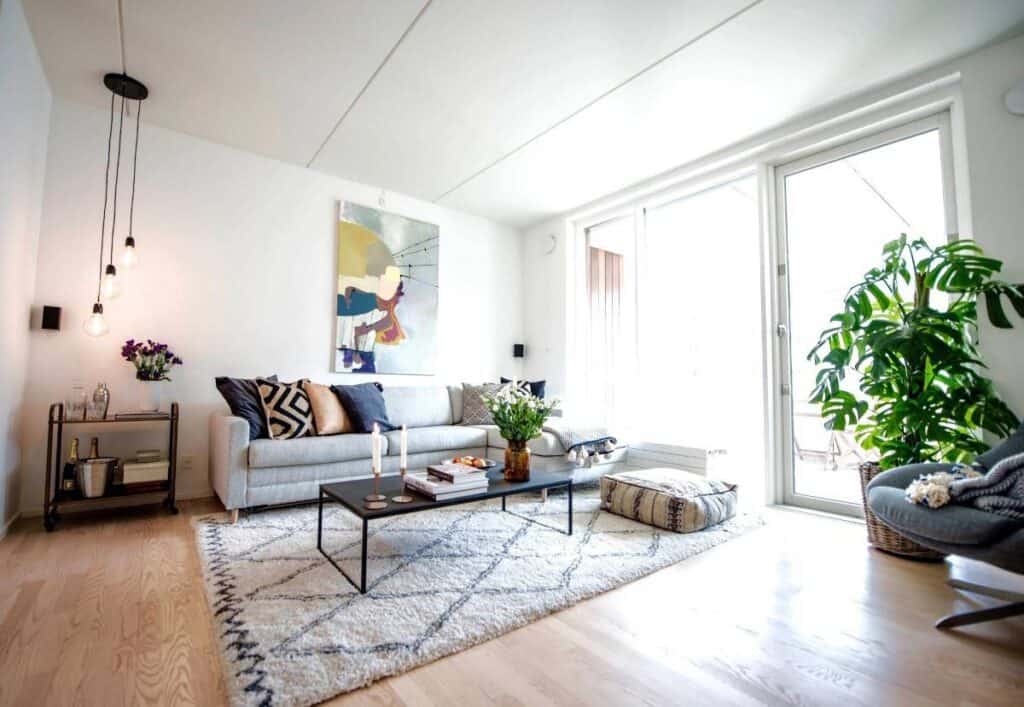
The Denmark Smart Furniture Market is rapidly evolving, driven by technological innovations and shifting consumer preferences. As the demand for more functional, space-saving, and connected furniture grows, Denmark is becoming a hub for smart furniture solutions that combine design with the latest technological advancements. This press release delves into the key trends, drivers, challenges, and opportunities in the Danish smart furniture market, highlighting the transformation of home and office spaces through technological integration.
The Denmark Smart Furniture Market is projected to expand at a compound annual growth rate (CAGR) of 10%, reaching an estimated value of USD 40.3 million by 2030. Smart furniture, equipped with advanced technologies to enhance user convenience, comfort, and functionality, has found its way into homes and workplaces in Denmark. This furniture integrates features like wireless charging, voice control, smart lighting, adjustable components, and environmental sensors. The demand for connected, tech-driven furniture is being propelled by the ongoing trend of home automation and the desire to improve both living and working environments.
Click Here for Your FREE Sample!
Key Market Drivers
Technological Advancements and IoT Integration
One of the main drivers behind the smart furniture market in Denmark is the rapid advancements in the Internet of Things (IoT) and connectivity technology. IoT devices have gained widespread adoption across Denmark, with consumers increasingly integrating their homes and offices with smart systems. Smart furniture that connects seamlessly with voice assistants like Amazon Alexa, Google Assistant, and Apple’s Siri is gaining significant traction.
Ergonomics and Workplace Wellness
The rise of remote working and flexible office environments is driving the demand for ergonomic furniture solutions in Denmark. Smart furniture plays an important role in creating workspaces that prioritize employee wellness. Features like adjustable desks, ergonomic chairs, and chairs with customizable settings help reduce physical strain and improve posture. In a country like Denmark, where the quality of work-life balance is highly valued, investing in ergonomic, smart furniture is becoming a priority for both individual consumers and businesses.
Market Segmentation
The Denmark smart furniture market can be segmented based on product type, application, and end user.
By Product Type
Smart Desks and Chairs
The demand for smart desks and chairs is one of the largest segments in the Denmark smart furniture market. These products are designed with technology that promotes ergonomic comfort and convenience. Adjustable desks, chairs with customizable lumbar support, and furniture that integrates with smart home systems to adjust lighting and temperature are popular among Danish consumers, particularly as remote working becomes more widespread.
Smart Sofas and Beds
Smart sofas and beds are increasingly being integrated into Danish households, particularly in homes that prioritize comfort and luxury. Smart sofas may feature built-in charging ports, Bluetooth speakers, and adjustable recliners, while smart beds offer functionalities such as sleep tracking, adjustable firmness, and built-in temperature control. These products are popular among consumers seeking personalized comfort in their homes.
Smart Tables
Smart tables, including coffee tables, dining tables, and desks, are another growing category within the market. These tables are equipped with wireless charging pads, touch controls, and Bluetooth connectivity. Additionally, tables that can adjust in size or shape to serve multiple purposes, such as transforming from a work desk to a dining table, are gaining popularity in urban areas where space is limited.
Smart Lighting and Decorative Furniture
Smart lighting solutions integrated into furniture pieces such as lamps and tables are becoming more common in Denmark. These products not only offer functional lighting but also contribute to the aesthetic appeal of a space. Consumers are increasingly choosing smart furniture that provides both ambiance and convenience, such as lamps that can be controlled via voice commands or apps.
By Application
Residential Use
The majority of smart furniture in Denmark is purchased for residential use. Consumers are investing in smart furniture solutions for their living rooms, bedrooms, and home offices. The ability to integrate technology into furniture that enhances comfort, functionality, and design is making smart furniture a top choice for modern homes.
Commercial Use
Smart furniture is also gaining traction in commercial settings, including offices, co-working spaces, and hospitality environments. Businesses are investing in smart desks and ergonomic chairs to improve employee wellness and productivity. Additionally, the integration of smart furniture in hotels and restaurants enhances the guest experience by offering high-tech, functional solutions that contribute to the overall ambiance of the space.
By End User
Consumers
The largest share of the smart furniture market in Denmark is driven by individual consumers. With rising disposable incomes and shifting preferences toward technology and sustainability, consumers are increasingly turning to smart furniture as an investment for their homes. The market is especially popular among younger generations who prioritize convenience, customization, and sustainability.
Businesses and Commercial Establishments
Businesses, particularly in the office and hospitality sectors, are also significant end users of smart furniture. Offices are integrating smart desks, chairs, and collaborative workstations to improve employee comfort and productivity. The hospitality industry, including hotels and restaurants, is using smart furniture to enhance guest experiences by offering convenience and functionality.
Challenges and Opportunities
Challenges
High Costs
One of the primary barriers to the widespread adoption of smart furniture in Denmark is the high upfront cost. Many smart furniture items are priced higher than traditional furniture due to the inclusion of advanced technologies. While the long-term benefits of smart furniture, such as energy savings and improved comfort, may justify the investment, the initial cost can be a deterrent for some consumers.
Technological Compatibility
As smart furniture becomes more integrated with home automation systems, ensuring compatibility with various platforms and devices is a challenge. Consumers expect seamless integration with their existing smart home systems, and failure to deliver this can hinder the market’s growth. Manufacturers must focus on ensuring compatibility across multiple devices to meet consumer expectations.
Opportunities
Expansion into Niche Segments
There is considerable potential for smart furniture manufacturers to explore niche segments in the Danish market. For example, furniture for small apartments, outdoor smart furniture, and furniture designed for specific tasks such as gaming or home theater setups offer opportunities for growth. By catering to the unique needs of different consumer groups, manufacturers can expand their product offerings and attract a broader customer base.
Sustainability as a Selling Point
As Danish consumers continue to prioritize sustainability, manufacturers have an opportunity to differentiate themselves by offering eco-friendly, sustainable smart furniture. Using recyclable materials, energy-efficient technology, and environmentally conscious manufacturing processes can help businesses tap into the growing demand for green products.
Conclusion
The Denmark smart furniture market is poised for significant growth, fueled by advancements in technology, consumer demand for ergonomic solutions, sustainability trends, and increasing urbanization. As more Danish consumers and businesses adopt smart furniture solutions, the market is expected to continue expanding.
