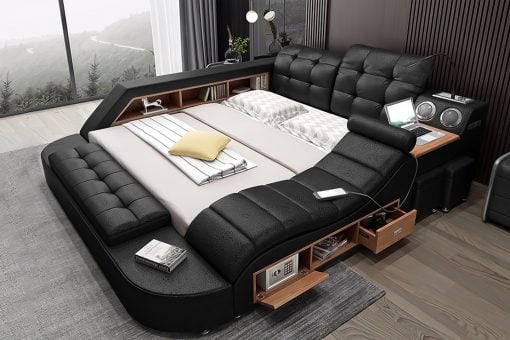
The Finland Smart Furniture Market is experiencing impressive growth, driven by the rising demand for innovative, functional, and connected living solutions. As part of the larger European trend toward smart homes and digitalization, Finnish consumers are increasingly adopting furniture that integrates advanced technologies to improve comfort, productivity, and health. From ergonomic desks and intelligent beds to multi-functional sofas and IoT-powered storage systems, smart furniture is rapidly becoming an essential part of modern homes and workspaces in Finland.
The Finland Smart Furniture Market was valued at approximately USD 37 million, and it is projected to grow at a compound annual growth rate (CAGR) of 12.7%, by 2030. This growth is being driven by technological advancements, changing lifestyles, and a strong demand for eco-friendly and sustainable furniture solutions that align with Finland’s commitment to environmental responsibility.
Click Here for Your FREE Sample!
Market Drivers
Technological Advancements in Smart Furniture
The rapid advancement of IoT technology is a primary driver behind the growth of the smart furniture market in Finland. With the ability to connect various devices, IoT-enabled furniture can be controlled remotely via smartphones or voice assistants like Amazon Alexa, Google Assistant, or Apple Siri. This connectivity allows users to control aspects such as the height of a desk, the lighting of a chair, or the temperature of a bed, offering a new level of customization and convenience.
Growing Focus on Health and Wellness
Health and wellness trends have become a significant driver of the smart furniture market in Finland. As consumers become more health-conscious, they are increasingly seeking furniture solutions that support their well-being. In particular, ergonomic furniture, such as height-adjustable desks and chairs with lumbar support, is gaining popularity among Finns who are working from home or spending long hours at desks.
Rise of Remote and Hybrid Work Models
The pandemic has fundamentally changed the way people work, and in Finland, many individuals continue to work remotely or adopt hybrid work models. As a result, there is an increased demand for home office furniture that offers comfort, ergonomics, and functionality. Smart furniture solutions, such as adjustable standing desks, ergonomic chairs, and storage units with built-in charging stations, are being integrated into home offices to meet the demands of remote workers.
Eco-Conscious Consumer Demand
Sustainability is a growing concern among Finnish consumers, and this has translated into an increased demand for eco-friendly smart furniture. Finland is a country known for its commitment to environmental sustainability, and consumers are increasingly seeking products that align with their eco-conscious values. Furniture made from sustainable materials, such as recycled wood, biodegradable plastics, and energy-efficient components, is becoming highly sought after.
Challenges in the Market
High Initial Costs
Despite the increasing demand for smart furniture in Finland, the relatively high cost of these products remains a barrier for many consumers. Smart furniture integrates advanced technologies, such as IoT sensors and wireless charging, which often results in higher prices compared to traditional furniture. For consumers with limited budgets, the cost of smart furniture can be a significant obstacle.
Complex Installation and Integration
The complexity of installing and integrating smart furniture with existing home automation systems can be a challenge for some consumers. While many smart furniture products are designed to be user-friendly, others may require professional installation or technical expertise to ensure proper setup. Consumers who are not familiar with IoT technology may find the installation process daunting, especially if the furniture requires integration with other smart home devices.
Data Privacy and Security Concerns
As with other IoT-enabled products, smart furniture raises concerns about data privacy and security. Many smart furniture products collect data on user habits, preferences, and health metrics, which can be vulnerable to hacking or misuse if not properly protected. Finnish consumers are highly aware of privacy issues, and many are cautious about sharing personal information with connected devices.
Technological Innovations Shaping the Market
- Voice-Controlled Smart Furniture
Voice-controlled smart furniture is an emerging trend in Finland’s smart furniture market. By integrating with popular voice assistants such as Amazon Alexa and Google Assistant, consumers can control their smart furniture with simple voice commands. For example, users can adjust the height of a desk, change the lighting in a room, or even monitor sleep quality, all through voice commands. This technology offers added convenience and hands-free control, further enhancing the user experience. - Sleep-Optimized Smart Furniture
In Finland, where a focus on health and well-being is paramount, sleep-optimized smart furniture is gaining traction. Smart beds equipped with sensors can monitor users’ sleep patterns and adjust the firmness or temperature to provide optimal sleep conditions. These beds can also track metrics such as heart rate and breathing patterns, helping users improve their sleep quality over time. - Modular and Customizable Solutions
Modular smart furniture is becoming increasingly popular in Finland, especially among consumers living in smaller spaces. These solutions allow users to configure their furniture to meet their needs, whether it’s an adjustable desk that converts into a standing desk or a sofa that can be transformed into a bed. Customization options enable consumers to personalize their living spaces and adapt their furniture to suit their lifestyle. - Sustainable Smart Furniture
As sustainability continues to be a key concern, eco-friendly smart furniture is gaining popularity. Finnish consumers are particularly interested in furniture made from renewable resources and energy-efficient technologies. Manufacturers are responding by designing smart furniture that incorporates sustainable materials, such as reclaimed wood, bamboo, and recycled plastics. Additionally, energy-efficient lighting, solar-powered furniture, and low-energy consumption components are becoming standard features in many smart furniture products.
Conclusion
The Finland smart furniture market is poised for significant growth in the coming years, driven by advancements in technology, increased demand for ergonomic and wellness-focused solutions, and a growing preference for connected, sustainable living spaces.
