The global automotive lubricants market is set to experience significant growth is predicted to garner USD 103.35 billion with a CAGR of 4.5% till 2030. The surge in demand for automotive lubricants is primarily driven by advancements in automotive technology, rising vehicle production, and increasing consumer awareness of vehicle maintenance.
Market Overview: A Crucial Component for Vehicle Performance and Longevity
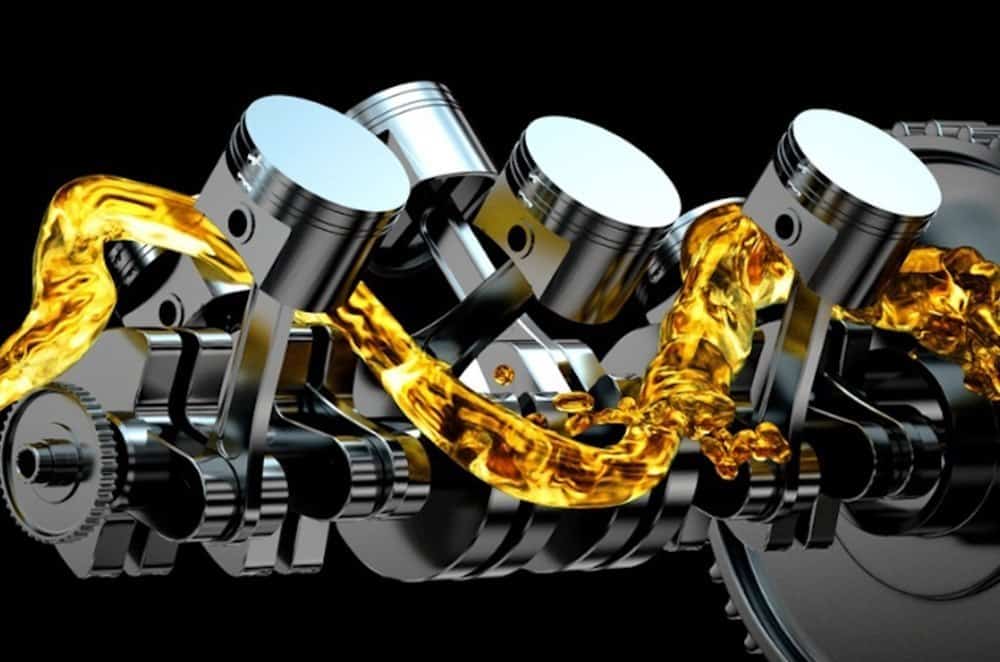
Automotive lubricants market are essential fluids used to reduce friction and wear between moving parts in engines, transmission systems, and other components of vehicles. These lubricants enhance the performance, efficiency, and longevity of vehicles while also improving fuel efficiency, reducing emissions, and protecting vital engine components.
The automotive lubricants market has witnessed tremendous growth in recent years, fueled by factors such as the increasing number of vehicles on the road, the demand for higher fuel efficiency, and the growing trend of eco-friendly and high-performance lubricants. Additionally, the rise of electric vehicles (EVs) is also creating new opportunities for growth in the automotive lubricants market, as these vehicles require specialized lubricants for their unique components.
Key Drivers of Market Growth
- Technological Advancements and Product Innovation
Ongoing advancements in automotive engine and transmission technologies are pushing the demand for more advanced and efficient lubricants. Manufacturers are focusing on creating high-performance lubricants that enhance fuel economy, improve engine efficiency, and support longer oil-change intervals. For instance, synthetic lubricants and multi-grade oils are gaining popularity due to their superior performance under extreme temperatures and operating conditions. - Increasing Vehicle Production and Ownership
The global automotive industry continues to experience robust growth, particularly in emerging markets such as Asia-Pacific, Latin America, and the Middle East. The rise in vehicle ownership in both developed and developing countries has created a growing demand for automotive lubricants, as more vehicles require regular maintenance and lubrication. In addition, an increasing preference for advanced vehicles such as electric vehicles (EVs) and hybrid cars is fueling the demand for specialized lubricants that cater to their unique needs.
Download Your Free Sample Today!
- Rising Consumer Awareness of Vehicle Maintenance
As consumers become more educated about the importance of regular vehicle maintenance, the demand for high-quality lubricants that provide optimal protection and enhance engine performance is increasing. Proper lubrication plays a critical role in reducing wear and tear, preventing overheating, and improving fuel efficiency, making it a key consideration for vehicle owners.
Segmentation Insights
- By Product Type
The automotive lubricants market is categorized into various product types, including:
- Engine Oils: The largest segment of the automotive lubricants market, engine oils are used to lubricate the engine components, reduce friction, and enhance performance. This category includes both mineral oils and synthetic oils.
- Transmission Fluids: These lubricants are designed for use in the transmission system, ensuring smooth operation and extending the lifespan of gears and other transmission components.
- Gear Oils: Used in the lubrication of manual and automatic gear systems, gear oils are critical for maintaining smooth gear operation, preventing wear and tear.
- Greases: Automotive greases are used for various components, including bearings and joints, providing lubrication and protection against corrosion and wear.
- Other Lubricants: This includes a range of specialty lubricants used in different vehicle systems, such as power steering fluid, brake fluid, and shock absorber fluid.
- By Vehicle Type
The automotive lubricants market is segmented by vehicle type, including:
- Passenger Vehicles: This is the largest segment, driven by the high number of vehicles in use and the increasing demand for regular oil changes and maintenance.
- Commercial Vehicles: The demand for lubricants in commercial vehicles is growing as these vehicles require high-performance lubricants to support long hours of operation and heavy-duty performance.
- Electric Vehicles (EVs): With the rise of electric vehicles, there is a growing need for specialized lubricants designed to support electric motors and battery systems, contributing to the growth of the market.
- By Sales Channel
The automotive lubricants market is segmented into:
- OEM (Original Equipment Manufacturer): Lubricants supplied by vehicle manufacturers for the first fill during vehicle production.
- Aftermarket: This includes lubricants purchased for oil changes and regular maintenance in both independent workshops and authorized service centers.
Challenges and Opportunities
The automotive lubricants market faces challenges such as fluctuating raw material prices and environmental concerns related to the disposal of used lubricants. However, these challenges create opportunities for market players to develop more eco-friendly and biodegradable lubricants that meet regulatory standards and consumer demand for sustainability.
Conclusion
The global automotive lubricants market is poised for substantial growth, driven by advancements in automotive technology, increasing vehicle production, and rising consumer awareness of vehicle maintenance. As the market continues to evolve, manufacturers must focus on delivering innovative, high-performance, and eco-friendly lubricants to stay competitive. With the rise of electric vehicles and advancements in lubricants for specialized applications, the automotive lubricants industry is set to enter a new phase of growth and innovation.
