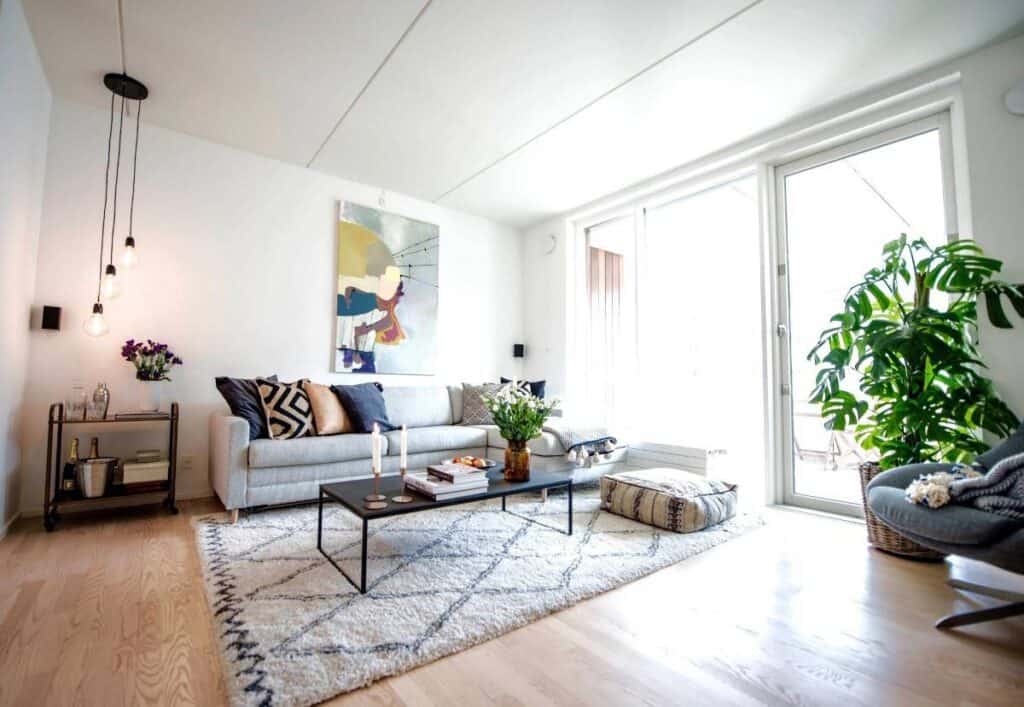
The Germany Smart Furniture Market is experiencing rapid growth, fueled by increasing consumer demand for innovative, high-tech solutions in living and working spaces. As part of the broader global trend toward smart homes and connected devices, the smart furniture market in Germany is poised for significant expansion. Consumers in Germany are increasingly adopting furniture that integrates advanced technologies such as the Internet of Things (IoT), artificial intelligence (AI), and sensor technologies to enhance comfort, productivity, and sustainability.
The Germany smart furniture market is projected to reach USD 265.3 million by 2030, growing at a compound annual growth rate (CAGR) of 3%. This growth is largely driven by technological innovations, the increasing need for ergonomic and health-conscious furniture, and a growing demand for eco-friendly and space-saving solutions that align with the country’s commitment to sustainability.
The Germany Smart Furniture Market is closely tied to the growing trend of connected living and the digitalization of home environments. Consumers are increasingly integrating smart home devices such as voice assistants, smart thermostats, and IoT-enabled appliances, creating demand for furniture that complements and enhances these systems. The growing adoption of these technologies is contributing to the increasing popularity of smart furniture in Germany.
Click Here for Your FREE Sample!
Key Market Drivers
Technological Advancements in Smart Furniture
The evolution of IoT technology has been a key driver of the smart furniture market in Germany. By enabling connectivity and seamless integration with other devices, IoT technology allows smart furniture to offer advanced features such as remote control, voice activation, and customization. Furniture pieces that incorporate IoT sensors can be controlled through smartphones, voice assistants, or other smart devices, allowing users to adjust settings such as desk height, chair tilt, and lighting preferences.
Demand for Ergonomic and Health-Conscious Furniture
The demand for ergonomic furniture solutions is on the rise in Germany, driven by an increasing awareness of health and wellness issues. As many people in the country spend significant amounts of time working at desks, there is growing interest in furniture that promotes comfort and reduces the risk of physical discomfort or injury.
Sustainability and Eco-Friendly Solutions
Sustainability has become a key priority for consumers in Germany, and this trend is also influencing the smart furniture market. Germany has long been recognized for its commitment to environmental responsibility, and consumers are increasingly seeking furniture that aligns with their eco-conscious values. Smart furniture that integrates energy-efficient technologies, sustainable materials, and eco-friendly production processes is gaining traction.
Rise of Remote and Hybrid Work Models
The pandemic has fundamentally changed work patterns across the globe, and Germany is no exception. Remote work and hybrid work models have become the norm for many professionals, leading to an increased need for furniture that enhances comfort and productivity in home office environments. As more people work from home or adopt flexible work schedules, smart furniture products that offer adjustable features, integrated charging stations, and customizable setups are becoming highly sought after.
Space-Saving and Multifunctional Furniture
Germany’s urban population is steadily increasing, with many individuals living in smaller apartments and homes, particularly in cities like Berlin and Munich. This trend is driving the demand for space-saving and multifunctional furniture that can maximize living areas without compromising on comfort or functionality.
Challenges in the Market
High Initial Costs
Despite the growing demand for smart furniture, the high initial cost of these products remains a barrier for many consumers. Smart furniture incorporates advanced technologies, such as IoT sensors, AI, and wireless charging systems, which contribute to higher manufacturing costs. As a result, smart furniture tends to be more expensive than traditional, non-connected furniture.
Complexity of Installation and Integration
Another challenge for the smart furniture market in Germany is the complexity of installation and integration with existing smart home systems. While many smart furniture products are designed to be user-friendly, some require professional installation or technical expertise to ensure proper setup. Additionally, consumers may encounter difficulties when integrating their smart furniture with other connected devices, such as home assistants, thermostats, and lighting systems.
Data Privacy and Security Concerns
As with any IoT-enabled device, smart furniture raises concerns about data privacy and security. Many smart furniture products collect data on user habits, preferences, and health metrics, which can be vulnerable to cyber threats if not properly protected. German consumers are highly aware of privacy and data protection issues, particularly with the implementation of the General Data Protection Regulation (GDPR) in the European Union.
Technological Innovations Shaping the Market
Voice-Controlled Smart Furniture
Voice-controlled smart furniture is an exciting innovation in the German market. By integrating with voice assistants such as Amazon Alexa, Google Assistant, and Apple Siri, consumers can control various aspects of their furniture using voice commands. This includes adjusting desk height, controlling room lighting, or even changing the position of a reclining chair. Voice-controlled furniture offers unparalleled convenience, enabling users to interact with their furniture in a hands-free manner.
Sleep-Optimized Smart Furniture
In line with the growing focus on health and wellness, sleep-optimized smart furniture is gaining popularity in Germany. Smart beds equipped with sensors can monitor sleep patterns and adjust firmness, temperature, or position to improve sleep quality. Some smart beds also track heart rate, breathing patterns, and other vital metrics, offering users insights into their sleep health and helping them make adjustments for better rest.
Sustainable and Eco-Friendly Smart Furniture
Sustainability remains a major trend in the German smart furniture market. Consumers are increasingly looking for furniture made from sustainable materials, such as recycled plastics, reclaimed wood, and bamboo. Additionally, manufacturers are focusing on creating energy-efficient smart furniture, such as desks with integrated solar charging stations or smart lighting systems that reduce energy consumption.
Conclusion
The Germany smart furniture market is experiencing robust growth, driven by technological advancements, changing consumer preferences, and an increasing demand for innovative, ergonomic, and sustainable furniture solutions. As the market continues to evolve, smart furniture is poised to become an essential part of modern living and working environments in Germany.
